Preview
 Send
Send Share
Share
 Details
 Guide
Guide

 Download
 Similars
 X-Ray
X-Ray Diaporama
 Stats
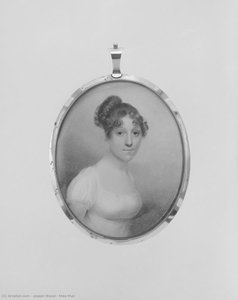
StatsYoung Boy
 1815
1815 13.0 x 9.0 cm
 Read More
Giclée / Art Print
Museum-quality giclée or canvas print with fast production and flexible finish options. ( Buy Hand Made Painting Switch to Digital Image)




































Pick from our preset sizes that match the artwork's original proportions.

Type the width and the height you need, to fit your frame or your wall. A print can only be cut, never made bigger than the picture, so a size with a different shape loses a part of the image. We send you a digital mockup to approve before we print anything. The picture shown on this page does not show the real cut — only the mockup does.
Worldwide Delivery () in 2 weeks instead of standard 4/5 weeks. (22 October)

Free Worldwide Express Shipping

High-Quality Linen Canvas

Full Shipping Insurance

Customs Tax Refund Guarantee

True Color Matching Guarantee

100-Day Return Policy (Defects Only)

100% Money-Back Guarantee

Bulk Discount Offer
 Glass option is only available in size under 110 CM

Young Boy
Giclée / Art Print
Reproduction Size
-


Total Price
$ 81
Artist Background
Joseph Wood was an American painter known for his portraits, and his work on Young Boy is a testament to his talent. Born near Clarkstown, New York, Wood apprenticed to a silversmith in 1793 and later became a miniature painter, studying under Edward Greene Malbone. He formed a partnership with John Wesley Jarvis from 1802-10 and worked in Philadelphia from 1813-1816, before moving to Washington, D.C.Artistic Style and Technique
The Young Boy painting showcases Wood's unique style and technique. The use of hollow cut paper and pencil on fabric creates a sense of depth and dimensionality, while the attention to detail in the subject's facial features and clothing is impressive. The artwork is a great example of American portrait miniature painting during the early 19th century.- The Young Boy painting is available for reproduction on OriginalUniqueArt.com, where you can order a handmade oil painting reproduction.
- For more information on Joseph Wood and his work, visit the Wikipedia page dedicated to the artist.
The Smithsonian American Art Museum is home to many notable artworks, including pieces by Joseph Wood. Visitors can explore the museum's collection and learn more about American art history.
Questions & Answers
How intense are the colors in "Young Boy" by Joseph Wood?
The color intensity of "Young Boy" is balanced. Intensity describes how strong the colors appear.
Can I see "Young Boy" by Joseph Wood under different lights?
The X-Ray page of "Young Boy" by Joseph Wood is an interactive viewer that lets you slide through eleven optical layers of the artwork's image, including an X-ray style view.
Who created "Young Boy"?
"Young Boy" was created by Joseph Wood. The information on this page describes Joseph Wood's original work.
Artist Biography
Joseph Wood: A Portraitist of American Icons
Born in the nascent years of the late 18th century, Joseph Wood’s life and career unfolded against a backdrop of burgeoning American identity. While precise details of his early upbringing remain somewhat elusive – he was abandoned as an infant and raised in an orphanage – this formative experience undoubtedly shaped his artistic sensibility, fostering a keen awareness of human vulnerability and the complexities of social connection. His apprenticeship to a silversmith provided a foundational understanding of meticulous craftsmanship, a skill that would later translate into the exacting detail characteristic of his miniature portraits.
Wood’s journey as an artist began in earnest around 1801, when he transitioned from replicating existing miniatures to creating his own original works. Initially working in New York City, he quickly gained recognition for his ability to capture the likeness and personality of his subjects with remarkable accuracy and sensitivity. This early success led him to Philadelphia in 1807 and subsequently to Washington D.C., where he established a thriving practice catering to a diverse clientele – from prominent politicians and businessmen to wealthy socialites.
The Art of the Miniature: Technique and Style
Wood’s mastery lay primarily in the art of miniature portraiture, a demanding medium requiring exceptional skill and patience. He specialized in creating remarkably detailed portraits no larger than six by eight inches, often executed on ivory or other fine materials. His technique was characterized by a meticulous layering of thin washes of watercolor, building up tones and textures with astonishing precision. He employed a distinctive ‘gum arabic’ method, utilizing the medium to achieve sharp contrasts and luminous highlights – a hallmark of his style.
Beyond technical proficiency, Wood possessed an innate ability to capture the essence of his subjects. He wasn't merely reproducing physical appearances; he sought to convey their character, temperament, and social standing. His portraits of Benjamin Franklin and George Washington are particularly noteworthy for their dignified composure and subtle expressions, reflecting a deep understanding of both men’s personalities.
Notable Portraits and Influences
Wood's most celebrated works include his iconic portrait of Benjamin Franklin, a remarkably lifelike depiction capturing the statesman’s shrewd intelligence and benevolent spirit. Equally significant is his portrayal of George Washington, a painting that embodies the ideals of leadership and republican virtue. These portraits, along with numerous others depicting prominent figures of the era, cemented Wood's reputation as one of America’s foremost miniature portraitists.
While largely operating in isolation, Wood was undoubtedly influenced by the European artistic traditions prevalent at the time. The meticulous detail and emphasis on realism in his work echo the techniques of Dutch masters, while his use of light and shadow reflects the influence of Rembrandt. However, Wood’s portraits possess a distinctly American character, reflecting the values and aspirations of a young nation.
A Legacy of Precision and Dignity
Joseph Wood's career spanned several decades, during which he produced an impressive body of work that continues to captivate viewers today. His miniature portraits offer a unique window into the lives and times of America’s founding fathers and other influential figures. His legacy lies not only in his technical skill but also in his ability to imbue his subjects with dignity, intelligence, and a sense of timelessness.
Despite his success, Wood's life ended tragically in 1830, succumbing to illness at the age of 52. His work, however, endures as a testament to his talent and a valuable contribution to American art history – a reminder of a time when portraiture served as both a reflection of social status and a powerful means of preserving individual memory.

Joseph Wood
1778 - 1830
Quick Facts
- Full Name: Joseph Wood
- Nationality: American
- Date Of Birth: 1778
- Date Of Death: 1830
- Place Of Birth: Clarkstown, NY
- Notable Artworks:
- Benjamin Franklin Portrait
- George Washington Portrait
- Artistic Movement Or Style: Miniature portraiture
- Artists Who Influenced This Artist: ['John Wesley Jarvis']