

 Preview
 Send
Send Share
Share
 Details

 Download
 Similars
 X-Ray
X-Ray Diaporama
 Stats
StatsUntitled (Textile Design)
 Tempera
- Surrealism
 1940
1940- Modern
 34.0 x 26.0 cm
 Read More
Purchase a high-resolution, enhanced digital image, far superior to the online preview.
Each file is meticulously prepared by our in-house specialists using advanced tools and expert manual retouching. We ensure every image has exceptional clarity, precise color accuracy, and fine detail.
The final file is delivered via email within 72 hours, optimized for immediate use in professional, editorial, and print environments. This is the same quality trusted by top-tier design studios, publishers, and galleries.
Digital Image
Download a high-resolution file for personal display, printing, and creative projects. ( Switch to Print Buy Hand Made Painting)
Included in Every Digital Image Order
Expert Digital Delivery, Guaranteed
When you choose OriginalUniqueArt.com, you're not just getting an image - you're receiving a professionally enhanced digital artwork, crafted with precision and backed by a satisfaction guarantee. Here's everything that comes with your order, automatically:

Fast Email Delivery
Your high-resolution digital image file will be emailed to you within 72 hours of ordering - ready for immediate use.

AI-Enhanced Digital File
Your artwork is professionally optimized using advanced AI tools and manual editing, ensuring maximum detail, clarity, and color accuracy.

Free Lifetime Re-Delivery
Accidentally deleted or lost your file? No worries - we'll resend it to you anytime, free of charge.

No Import Fees - Ever
Enjoy your artwork instantly with zero customs, duties, or delivery fees - digital downloads are always tax-free.

Color Accuracy Guarantee
We ensure your digital image reflects the original colors as closely as possible using professional tools and color management.

100-Day Satisfaction Guarantee
If you're not satisfied with your digital image, we'll revise it or refund 100% within 100 days - no questions asked.

100% Money-Back Guarantee
Not satisfied? Get a full refund within 100 days of receiving your digital file - no questions asked.

Bulk Order Discounts
Buy 3 images, save 10% - Buy 5, save 15% - Buy 10+, save 20%. Great for creative projects, galleries, and agencies.
A Tapestry of Geometry: The Poetic Abstraction of Joseph Cornell
In the quiet realm of American modernism, few artists possessed the ability to transform simple patterns into profound meditations on order and chaos quite like Joseph Cornell. His 1940 masterpiece, Untitled (Textile Design), serves as a breathtaking window into his early creative consciousness. At first glance, the viewer is met with a rhythmic dance of blue and white geometric shapes, set against a deep, resonant blue backdrop. This work, a delicate tempera on paper, transcends its modest dimensions of 34 x 26 cm to command attention through its sheer graphic clarity and hypnotic repetition. It is not merely a pattern; it is a carefully orchestrated visual symphony that speaks to the very essence of design and abstraction.
The origins of this piece are deeply rooted in Cornell’s formative years as a textile designer, a vocation that bestowed upon him a unique sensitivity to rhythm, scale, and the interplay of negative space. In Untitled (Textile Design), we see the artist bridging the gap between functional ornamentation and fine art. The composition features at least thirteen distinct shapes, varying in size and orientation, some overlapping in a way that suggests a layered, multidimensional reality. This technique creates an illusion of depth, pulling the eye through a labyrinth of white silhouettes that seem to float upon a sea of cerulean. The use of tempera adds a subtle, matte texture to the surface, lending a soft, organic quality to the otherwise sharp-edged geometric forms.
Beyond its aesthetic allure, the painting carries a profound symbolic weight, reflecting the tension between the structured world of design and the dreamlike logic of Surrealism. While the shapes appear random at a cursory glance, a closer inspection reveals an underlying harmony—a sense of cosmic order hidden within the seemingly haphazard arrangement. This duality is a hallmark of Cornell’s oeuvre; he was a master of finding the infinite within the infinitesimal. For the collector or interior designer, this piece offers more than just visual interest; it provides a focal point of contemplative calm. Its cool color palette and balanced composition make it an exquisite addition to a sophisticated modern space, offering a sense of intellectual depth and timeless elegance.
To possess a reproduction of such a significant work is to invite the spirit of Cornell’s "world within worlds" into one's own environment. Whether displayed in a minimalist gallery setting or as a textured accent in a curated living space, Untitled (Textile Design) continues to resonate with the same magic it possessed in 1940. It remains a testament to the power of abstraction to evoke emotion, reminding us that even within the most structured patterns, there is room for wonder, mystery, and the boundless beauty of the human imagination.
Artist Biography
A World Within Worlds: The Enigmatic Art of Joseph Cornell
Joseph Cornell, born on Christmas Eve in 1903 in Nyack, New York, remains one of the most singular and profoundly affecting figures in American art. His life was a study in contrasts – a deeply private existence interwoven with an astonishingly imaginative artistic output. He wasn’t driven by grand manifestos or a desire for widespread acclaim; instead, Cornell cultivated a quiet, intensely personal vision that transformed discarded objects into portals to other realms. Early influences were subtle but significant. Though largely self-taught, his exposure to the burgeoning Surrealist movement in New York during the 1930s proved pivotal. The dreamlike logic and embrace of the irrational found within the work of artists like Max Ernst and René Magritte resonated deeply with Cornell’s own inclination toward poetic assemblage. However, he never fully aligned himself with any particular school, forging a path uniquely his own. His early career involved practical work as a textile salesman, a profession that perhaps honed his eye for texture, pattern, and the inherent beauty of materials – qualities that would become hallmarks of his art.The Poetry of Found Objects
Cornell’s artistic breakthrough came with his invention of the shadow box—intricate, three-dimensional constructions housed within glass enclosures. These weren't merely collages extended into space; they were meticulously crafted worlds unto themselves. He scoured flea markets, antique shops, and libraries for forgotten treasures: vintage photographs, maps, dried flowers, miniature figurines, bits of colored glass, and fragments of everyday life. Each object wasn’t chosen arbitrarily but rather selected for its evocative power, its ability to trigger memory, or its resonance with a particular theme. The boxes are often imbued with a sense of longing, nostalgia, and melancholic beauty. Works like *Medici Princess* (1948) exemplify this perfectly—a delicate arrangement evoking Renaissance Italy, filtered through the lens of personal fantasy. He wasn’t interested in replicating reality but in constructing alternate realities, poetic narratives suspended within confined spaces. His technique was one of careful layering and juxtaposition, creating a sense of depth and mystery that invites prolonged contemplation. Cornell also ventured into experimental filmmaking, producing haunting collage films like *Rose Hobart* (1936), which further explored his fascination with fragmented imagery and dreamlike sequences.A Life Shaped by Devotion
Cornell’s artistic practice was inextricably linked to his personal life, particularly his unwavering devotion to his family. He remained a lifelong caregiver for his mother and brother Robert, who suffered from cerebral palsy. This commitment profoundly shaped his existence, limiting his travel and social interactions but also fostering a deep sense of empathy and introspection. His reclusive nature contributed to the enigmatic quality of his work; he rarely spoke about his intentions or offered explicit interpretations of his creations, preferring to let the objects speak for themselves. This deliberate ambiguity is part of what makes his art so compelling—it allows viewers to project their own emotions and experiences onto the boxes. A notable exception to his general isolation was a platonic relationship with Japanese artist Yayoi Kusama, a connection that provided him with intellectual stimulation and emotional support during the later years of his life.Legacy and Enduring Influence
Joseph Cornell’s influence extends far beyond the realm of assemblage art. He paved the way for subsequent generations of artists who embraced found objects and explored themes of memory, nostalgia, and the subconscious. His work anticipated Pop Art's appropriation of everyday imagery and Conceptual Art's emphasis on ideas over traditional aesthetics. Today, his boxes are held in major museum collections worldwide, including the Museum of Modern Art in New York and the Smithsonian American Art Museum.- His innovative use of materials continues to inspire artists across disciplines.
- The poetic sensibility and emotional depth of his work resonate with audiences seeking art that transcends mere visual appeal.
- Cornell’s unwavering commitment to his unique vision serves as a powerful reminder of the transformative potential of artistic expression.
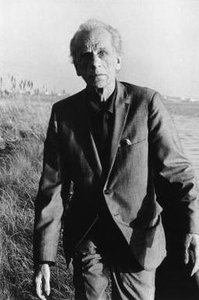
Joseph Cornell
1903 - 1972 , United States of America
Quick Facts
- Artistic Movement Or Style: Assemblage, Surrealism
- Artists Or Movements Influenced By This Artist: ['Avant-garde film']
- Artists Who Influenced This Artist:
- Max Ernst
- René Magritte
- Date Of Birth: 1903-12-24
- Date Of Death: 1972
- Full Name: Joseph Cornell
- Nationality: American
- Notable Artworks:
- Box with Geographic
- Untitled (1940s)
- Medici Princess
- Soap Bubble Set
- Place Of Birth: Nyack, USA