Preview
 Send
Send Share
Share
 Details

 Download
 Similars
 X-Ray
X-Ray Diaporama
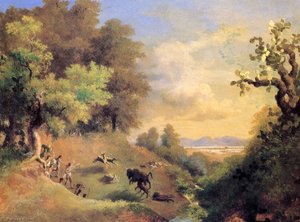
Estudio de árboles
 1907
1907 42.0 x 79.0 cm
 Read More
Giclée / Art Print
Museum-quality giclée or canvas print with fast production and flexible finish options. ( Switch to hand made Painting Switch to Image)




































Pick from our preset sizes that match the artwork's original proportions.

You may enter your own dimensions to fit a specific frame or space. If your selected size does not match the original image's proportions, we will either crop the artwork or extend the image with a mirrored or solid-fill edge. A digital mockup will be sent for your approval before production begins.
Please note that the on-screen preview does not reflect the actual cropping or extension. Only the mockup will accurately show the final composition.
While custom sizes are available, we recommend selecting a dimension from the predefined list to preserve the original proportions.
Worldwide Delivery () in 2 weeks instead of standard 4/5 weeks. (10 August)

Free Worldwide Express Shipping

High-Quality Linen Canvas

Full Shipping Insurance

Customs Tax Refund Guarantee

True Color Matching Guarantee

60-Day Return Policy (Defects Only)

100% Money-Back Guarantee

Bulk Discount Offer
 Glass option is only available in size under 110 CM

Estudio de árboles
Giclée / Art Print
Reproduction Size
-


Total Price
$ 81
Collectible Description
A Closer Look at the Painting
The painting features a beautiful depiction of trees in the desert, with varying heights and positions that create a sense of depth and dimension. The inclusion of bushes scattered throughout the scene adds to the variety of the landscape, while the few people visible in the background seem to be enjoying the natural beauty of their surroundings. The overall composition is well-balanced and harmonious, making for a captivating visual experience.Artist's Style and Influences
José María Velasco's style is characterized by his use of realism, which is evident in Estudio de árboles. His attention to detail and ability to capture the play of light on his subjects are notable features of his work. As a prominent figure in Mexican art, Velasco's paintings often explored the relationship between nature and human presence.- Other notable works by José María Velasco include El Cabrío de San Ángel and Fresnos, sauces y chopos, which can be found on OriginalUniqueArt.com.
- For those interested in learning more about the artist and his work, Wikipedia provides a comprehensive overview of his life and career.
The significance of Estudio de árboles lies not only in its aesthetic appeal but also in its representation of José María Velasco's contribution to Mexican art. As a masterpiece of realism, it continues to inspire and captivate audiences today.
Artist Biography
José María Velasco: Bridging Orientalism and Mexican Landscape
José María Velasco (1840 – 1912) stands as a pivotal figure in late nineteenth-century Mexican art, embodying the confluence of European artistic trends—particularly Orientalism—with the burgeoning landscape painting movement rooted in Mexican identity. Born in Mexico City, his artistic journey was marked by an unwavering dedication to capturing both exotic vistas and intimate portraits, reflecting the intellectual currents shaping his era. Velasasco’s stylistic evolution began with a formative exposure to academic realism, honing skills that would later inform his distinctive approach. However, it was his fascination with Eastern cultures—particularly Persia—that ignited his creative spirit. This influence is palpable in works like “Estudio de árboles,” where meticulous detail and atmospheric perspective convey the grandeur of mountainous landscapes reminiscent of Persian miniatures. The artist skillfully employs muted palettes and compositional techniques borrowed from Orientalist traditions to evoke a sense of timeless beauty and spiritual contemplation. Beyond stylistic experimentation, Velasco’s artistic vision was profoundly shaped by the socio-political landscape of Mexico during its turbulent transition toward independence. Witnessing firsthand the struggles for liberation—fueled by figures like Juan Vicente Güemes—he internalized the spirit of resistance and national pride. This conviction permeated his oeuvre, subtly conveying themes of resilience and cultural heritage. Notably, he served as a staunch admirer of Alexander von Humboldt, whose scientific explorations championed the interconnectedness of nature and human understanding – an ethos that undoubtedly resonated within Velasco’s artistic sensibilities. His most celebrated achievement resides in his portraits, notably “La Güera Rodríguez,” a captivating depiction of María Ignacia Javiera Rafaela Agustina Feliciana Rodríguez de Velasco y Osorio Barba Jiménez Bello de Pereyra Hernández de Córdoba Salas Solano Garfias—a woman whose likeness graced the altar of La Profesá church. Sculpted by Manuel Tolosa, this iconic image exemplifies Velasco’s mastery of capturing psychological depth and conveying nuanced emotion through subtle tonal variations and expressive brushstrokes. The artist's ability to imbue his subjects with life and character cemented his reputation as one of Mexico’s foremost portraitists. Velasasco’s artistic legacy extends beyond individual masterpieces; it resides in his contribution to the broader landscape of Mexican art history. He championed a style that blended European influences with indigenous traditions, fostering a visual language that celebrated both grandeur and intimacy—a testament to Velasco's enduring impact on Mexican artistic expression.
josé maría velasco
1840 - 1912
Quick Facts
- Artistic Movement Or Style: Orientalist & Landscape Painting
- Artists Or Movements Influenced By This Artist: ['Mexican Muralism']
- Artists Who Influenced This Artist: ['Manuel Tolosa']
- Date Of Birth: 1840
- Date Of Death: 1912
- Full Name: José María Velasco
- Nationality: Mexican
- Notable Artworks:
- Estudio de árboles
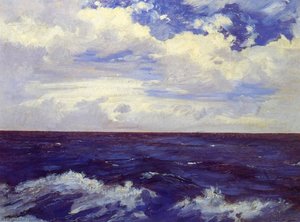
- Mar Atlántico
- El Popocatépetl y el Iztaccíhuatl
- Place Of Birth: Mexico City