- Home

- Print on canvas
- jörg petel
- Ecce Homo

 Buy Painting
 Send
Send Share
Share
 Details

 Download
 Similars
 X-Ray
X-Ray Diaporama
Ecce Homo


 Read More
Giclée / Art Print
Museum-quality giclée or canvas print with fast production and flexible finish options.




































Pick from our preset sizes that match the artwork's original proportions.

You may enter your own dimensions to fit a specific frame or space. If your selected size does not match the original image's proportions, we will either crop the artwork or extend the image with a mirrored or solid-fill edge. A digital mockup will be sent for your approval before production begins.
Please note that the on-screen preview does not reflect the actual cropping or extension. Only the mockup will accurately show the final composition.
While custom sizes are available, we recommend selecting a dimension from the predefined list to preserve the original proportions.
Worldwide Delivery () in 2 weeks instead of standard 4/5 weeks. (23 July)

Free Worldwide Express Shipping

High-Quality Linen Canvas

Full Shipping Insurance

Customs Tax Refund Guarantee

True Color Matching Guarantee

60-Day Return Policy (Defects Only)

100% Money-Back Guarantee

Bulk Discount Offer
 Glass option is only available in size under 110 CM

Ecce Homo
Giclée / Art Print
Reproduction Size
-


Total Price
-
Artist Biography
Georg Petel (1601/02 – January 1635, Augsburg)
Georg Petel was a German sculptor and ivory carver who stands as one of the pivotal figures in establishing Baroque sculpture within Germany. Born in Weilheim im Bayerischen Oberland around 1601 or 1602, he descended from humble origins – orphaned at infancy due to the untimely deaths of his parents – and found mentorship under Bartholomä Steinle, a local carver who instilled in him the foundational skills of craftsmanship. This early training would prove instrumental in shaping Petel’s artistic trajectory.- Early Life & Training: Steinle's workshop provided Petel with invaluable experience in ivory carving, exposing him to the techniques and aesthetic sensibilities prevalent in Munich’s aristocratic circles.
- Influence of Rubens & Antwerp: A formative encounter with Peter Paul Rubens in Antwerp profoundly impacted Petel’s artistic vision. Rubens’ dynamic compositions and masterful use of light served as a powerful stimulus for Petel's own sculptural endeavors, particularly his fascination with portraying emotion and grandeur.
- Roman Period & Artistic Style: Petel’s Roman apprenticeship instilled in him a stylistic approach characterized by dramatic modeling, expressive gestures, and meticulous attention to detail—elements that would define his oeuvre throughout his career.
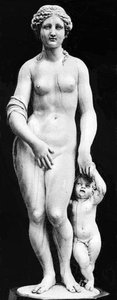
- Notable Works: Among Petel's most celebrated creations are “Venus and Cupid” (Ashmolean Museum, Oxford), “Triumph of Venus” (Stockholm Palace) and St Christopher Statue for St Moritz Church in Augsburg

jörg petel
1601 - 1634 , Germany
Quick Facts
- Artistic Movement Or Style: Baroque
- Artists Or Movements Influenced By This Artist: ['Gianlorenzo Bernini']
- Artists Who Influenced This Artist:
- Christoph Angermair
- Peter Paul Rubens
- Date Of Birth: 1601
- Full Name: Jörg Petel
- Nationality: German
- Notable Artworks:
- Bust of Rubens
- Ecce Homo
- Place Of Death: Augsburg
Related Articles
James Ensor's Grotesque Visions: Social Commentary & Artistic Innovation
Explore the unsettling yet captivating world of James Ensor, a pioneer of Expressionism. Discover his satirical masterpieces, symbolic imagery & lasting influence on modern art. High-quality reproductions available at OriginalUniqueArt.

Theatricality & Triumph: Baroque Drama in Painting & Sculpture
Explore the dramatic world of Baroque art! Discover its history, defining characteristics, & lasting influence on painting & sculpture. Expert insights into Caravaggio, Zurbarán, and Bernini – plus high-quality reproductions at OriginalUniqueArt.
Jorge José Castillo Casalderrey: A Spanish Abstract Expressionist's Evolving Vision
Explore the captivating world of Jorge José Castillo Casalderrey, a leading Spanish Abstract Expressionist. Discover his unique style, market value & legacy. Expert insights for discerning collectors.
Masterpieces of the 17th Century: Art, History & Decor Inspiration | OriginalUniqueArt
Journey through 17th century art with masterpieces by Rembrandt, Vermeer & Caravaggio. Explore Baroque paintings, Dutch Golden Age techniques & timeless beauty. Find museum-quality reproductions and elevate your home decor on OriginalUniqueArt.com.
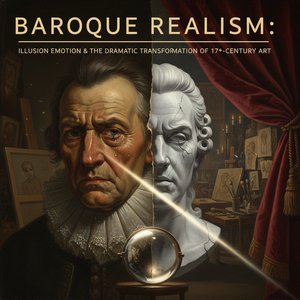
Baroque Realism: Illusion, Emotion & the Dramatic Transformation of 17th-Century Art
Explore the dramatic world of Baroque Realism! Discover iconic artists like Caravaggio & Rubens, their techniques, and the movement's lasting impact on art history. Expert insights for collectors & enthusiasts.