

 Preview
 Send
Send Share
Share
 Details
 Guide
Guide

 Download
 Similars
 X-Ray
X-Ray Diaporama
 Stats
StatsThe Hermit


 Read More
Purchase a high-resolution, enhanced digital image, far superior to the online preview.
Each file is meticulously prepared by our in-house specialists using advanced tools and expert manual retouching. We ensure every image has exceptional clarity, precise color accuracy, and fine detail.
The final file is delivered via email within 72 hours, optimized for immediate use in professional, editorial, and print environments. This is the same quality trusted by top-tier design studios, publishers, and galleries.
Digital Image
Download a high-resolution file for personal display, printing, and creative projects. ( Switch to Print Buy Hand Made Painting)
Included in Every Digital Image Order
Expert Digital Delivery, Guaranteed
When you choose OriginalUniqueArt.com, you're not just getting an image - you're receiving a professionally enhanced digital artwork, crafted with precision and backed by a satisfaction guarantee. Here's everything that comes with your order, automatically:

Fast Email Delivery
Your high-resolution digital image file will be emailed to you within 72 hours of ordering - ready for immediate use.

AI-Enhanced Digital File
Your artwork is professionally optimized using advanced AI tools and manual editing, ensuring maximum detail, clarity, and color accuracy.

Free Lifetime Re-Delivery
Accidentally deleted or lost your file? No worries - we'll resend it to you anytime, free of charge.

No Import Fees - Ever
Enjoy your artwork instantly with zero customs, duties, or delivery fees - digital downloads are always tax-free.

Color Accuracy Guarantee
We ensure your digital image reflects the original colors as closely as possible using professional tools and color management.

100-Day Satisfaction Guarantee
If you're not satisfied with your digital image, we'll revise it or refund 100% within 100 days - no questions asked.

100% Money-Back Guarantee
Not satisfied? Get a full refund within 100 days of receiving your digital file - no questions asked.

Bulk Order Discounts
Buy 3 images, save 10% - Buy 5, save 15% - Buy 10+, save 20%. Great for creative projects, galleries, and agencies.
The Hermit: A Portrait of Solitude Embodied
John Singer Sargent’s “The Hermit,” completed in 1908, stands as a testament to Impressionism's ability to convey profound emotion through subtle observation. Currently residing within the Metropolitan Museum of Art’s collection—a venue frequented by discerning art enthusiasts and collectors alike—this painting transcends mere depiction; it invites contemplation on themes of introspection and communion with nature.
- Subject Matter: The artwork centers around an elderly man seated upon weathered rocks amidst a tranquil forest landscape. Accompanying him is his loyal dog, creating a poignant tableau of companionship within isolation.
- Composition & Technique: Sargent skillfully employs balanced compositional elements—the man and dog positioned centrally against the backdrop of trees and stones—to establish depth and visual harmony. His brushstrokes are loose yet purposeful, capturing the diffused light filtering through the foliage with remarkable precision. The textured surface contributes to an overall sense of materiality and immediacy.
Sargent’s stylistic allegiance firmly rooted in Impressionism—a movement championed by luminaries like Claude Monet and William Merritt Chase—is evident throughout “The Hermit.” He eschewed academic conventions, prioritizing the capture of fleeting atmospheric conditions over meticulous detail. The muted palette—dominated by earthy browns and greens—evokes a feeling of nostalgia and timelessness, mirroring Sargent’s fascination with capturing the essence of rural life.
- Historical Context: Painted during the Edwardian era, “The Hermit” reflects the broader artistic currents of its time. Sargent's work aligns with the Barbizon style, which sought to depict landscapes with an honest portrayal of natural beauty—a reaction against the idealized grandeur of Romanticism.
- Symbolism & Emotional Impact: The hermit figure symbolizes spiritual contemplation and detachment from worldly concerns. The dog represents loyalty and unconditional affection, highlighting the importance of human connection even in solitude. Ultimately, “The Hermit” resonates with viewers through its ability to evoke feelings of peace, serenity, and a yearning for simplicity—qualities valued during the period and enduring across generations.
Beyond its aesthetic merits, Sargent’s artistic journey is noteworthy. He deliberately distanced himself from formal portraiture, favoring plein air painting and mural commissions as avenues for creative expression. This commitment to capturing the immediacy of experience—a hallmark of Impressionism—solidifies “The Hermit”'s place within art history as a masterpiece of understated beauty and psychological insight.
Questions & Answers
Is "The Hermit" by John Singer Sargent a painting, a drawing or a print?
In the catalog, "The Hermit" by John Singer Sargent is filed as wall art. The category helps find similar works.
Where can I see a preview of "The Hermit"?
To preview a reproduction of "The Hermit" by John Singer Sargent, open the artwork's Preview page.
What does "The Hermit" share with the rest of John Singer Sargent's output?
Within John Singer Sargent's output, "The Hermit" sits in the Impressionism style, alongside the themes of european impressionism, solitude, pastoral life, dignified figure, sargent legacy.
Artist Biography
A Life Immersed in Light and Society
John Singer Sargent, a name synonymous with the Gilded Age and its shimmering portraits of elegance, was an American artist who spent most of his life cultivating his craft within the European art world. Born in Florence, Italy, in 1856 to American expatriate parents, Fitzwilliam and Mary Newbold Sargent, his upbringing was anything but conventional. The family’s nomadic existence – constantly traversing France, Germany, Italy, and Switzerland – instilled in young John a cosmopolitan sensibility and an early exposure to the artistic treasures of Europe. Rather than formal schooling, his education unfolded within museum halls and ancient churches, fostering a visual literacy that would profoundly shape his artistic vision. This itinerant childhood, while lacking traditional structure, provided a rich tapestry of cultural experiences that fueled his developing talent. His father, a surgeon, and his mother, an amateur artist, encouraged his inclinations, recognizing early on the remarkable acuity of his observational skills. It was clear from a young age that John’s path lay not in medicine or conventional pursuits, but within the realm of art.From Parisian Atelier to Portrait Master
In 1874, at the age of eighteen, Sargent embarked on a pivotal chapter of his artistic development by entering the Paris studio of Carolus-Duran. This mentorship proved transformative. Duran’s emphasis on *direct painting* – a technique eschewing preliminary sketches in favor of immediate application of paint to canvas – honed Sargent's already impressive technical facility and instilled within him an astonishing ability to capture likenesses with speed and precision. It was a revolutionary approach, encouraging boldness and spontaneity, and it became the hallmark of Sargent’s style. He absorbed Duran’s lessons wholeheartedly, mastering the art of capturing not just physical resemblance but also the very essence of his sitters. Simultaneously, he enrolled at the École des Beaux-Arts, further refining his skills in drawing from casts and life models. However, it was the influence of Spanish masters like Velázquez, encountered during a formative trip to Spain in 1879, that truly ignited Sargent’s artistic imagination. He became captivated by Velázquez's masterful use of light, brushwork, and psychological insight – qualities he would strive to emulate throughout his career.Navigating Fame, Scandal, and Artistic Evolution
Sargent quickly established himself as a sought-after portraitist in Paris, attracting commissions from the city’s elite. However, his ascent was not without its challenges. The unveiling of *Madame X* (Portrait of Madame Pierre Gautreau) at the 1884 Salon ignited a scandal that threatened to derail his burgeoning career. The painting's daring depiction of socialite Virginie Amélie Avegno Gautreau – with her pale complexion, suggestive pose, and fallen strap – was deemed provocative and scandalous by Parisian society. Though Sargent later repainted the strap, the damage was done. Disheartened by the controversy, he relocated to London in 1886, where he found a more receptive audience for his talents. In London, he continued to paint portraits of the wealthy and prominent, capturing the opulence and social dynamics of Edwardian society with unparalleled skill. Yet, Sargent’s artistic ambitions extended beyond the confines of commissioned portraiture. He yearned for greater creative freedom and increasingly devoted himself to landscape painting and plein-air studies, embracing an Impressionistic style characterized by loose brushwork, vibrant colors, and a focus on capturing fleeting moments of light and atmosphere. These landscapes reveal a different side of Sargent – one less concerned with social status and more attuned to the beauty of the natural world.A Lasting Legacy: Beyond Portraiture
While celebrated as “the leading portrait painter of his generation,” John Singer Sargent’s artistic legacy extends far beyond his masterful depictions of society figures. His major works, such as *El Jaleo*, a dynamic portrayal of Spanish flamenco dancers, and *Carnation, Lily, Lily, Rose*, a serene depiction of two young girls in an English garden, demonstrate his versatility and technical brilliance. Later in life, he embarked on ambitious mural projects, including the monumental cycle at the Boston Public Library, showcasing his ability to translate his artistic vision onto a grand scale. His influence can be seen in the work of subsequent generations of artists who admired his technical skill, his bold brushwork, and his ability to capture both physical likeness and psychological depth. The rediscovery of his previously overlooked male nudes in the 1980s further broadened our understanding of Sargent’s artistic range and revealed a more complex and nuanced artist than previously recognized. His paintings continue to captivate audiences worldwide, offering a fascinating glimpse into a bygone era while simultaneously transcending time through their enduring beauty and technical mastery. He remains, undeniably, one of the most significant American artists of his generation, whose work continues to inspire and provoke admiration.Influences and Artistic Kinships
- Carolus-Duran: His teacher, who instilled in him a direct painting technique and encouraged spontaneity.
- Diego Velázquez: Sargent deeply admired Velázquez’s mastery of light, brushwork, and psychological insight, particularly evident in his Spanish works.
- Impressionism: The Impressionists' emphasis on capturing fleeting moments and atmospheric effects profoundly impacted his landscape paintings, leading to a looser, more expressive style.
- James Abbott McNeill Whistler: Sargent shared with Whistler an interest in aestheticism and the pursuit of “art for art’s sake,” influencing his approach to composition and color.
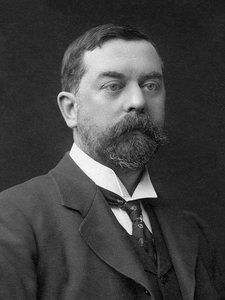
John Singer Sargent
1856 - 1925 , Italy
Quick Facts
- Full Name: John Singer Sargent
- Nationality: American
- Date Of Birth: 1856
- Date Of Death: 1925
- Place Of Birth: Florence, Italy
- Notable Artworks:
- Madame X
- El Jaleo
- Carnation, Lily, Lily, Rose
- Artistic Movement Or Style: Impressionism
- Artists Who Influenced This Artist:
- Carolus-Duran
- Diego Velázquez