Preview
 Send
Send Share
Share
 Details
 Guide
Guide

 Download
 Similars
 X-Ray
X-Ray Diaporama
 Stats
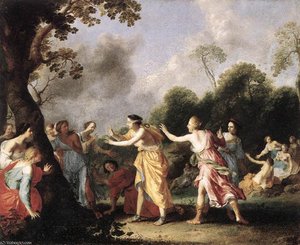
StatsVenus and Adonis
 Oil On Copper
- Baroque
 1625
1625 5.0 x 69.0 cm
 Staatliche Kunsthalle Karlsruhe
 Read More
Giclée / Art Print
Museum-quality giclée or canvas print with fast production and flexible finish options. ( Buy Hand Made Painting Switch to Digital Image)




P118B $10

P118H $10

P118W $10

P438Z $10

P508JH $12

P508YH $12

P805H $10

P805Z $10

P919BZ $10

P919G $10

P919XJ $10

P959ZH $10

P968JZ $12

W106C $8

W218G $10

W218JH $8

W218Y $10

W307PJ $10

W316G $10

W316PJ $8

W316Y $10

W398PJ $8

W4111J $10

W500HY $15

W500JH $15

W692G $12

W849H $8

W940BG $15

W953PJ $8




Pick from our preset sizes that match the artwork's original proportions.

Type the width and the height you need, to fit your frame or your wall. A print can only be cut, never made bigger than the picture, so a size with a different shape loses a part of the image. We send you a digital mockup to approve before we print anything. The picture shown on this page does not show the real cut — only the mockup does.
Worldwide Delivery () in 2 weeks instead of standard 4/5 weeks. (25 October)

Free Worldwide Express Shipping

High-Quality Linen Canvas

Full Shipping Insurance

Customs Tax Refund Guarantee

True Color Matching Guarantee

100-Day Return Policy (Defects Only)

100% Money-Back Guarantee

Bulk Discount Offer
 Glass option is only available in size under 110 CM

Venus and Adonis
Giclée / Art Print
Reproduction Size
-


Total Price
$ 81
Johann Liss's *Venus and Adonis*: A Baroque Embrace of Sensuous Beauty
The Staatliche Kunsthalle Karlsruhe holds within its walls a captivating testament to the burgeoning baroque aesthetic – Johann Liss’s 1625 painting, *Venus and Adonis*. This work, measuring a modest 5 x 69 cm, transcends its diminutive size through a masterful rendering of mythological narrative and an unapologetic celebration of human form. Commissioned during a period of artistic experimentation in Germany, Liss's depiction of the iconic scene from Ovid’s poem is not merely a recounting of a tragic love story; it’s a profound exploration of beauty, desire, and the raw power of emotion, executed with a sensuousness that foreshadows the dramatic flourishes of later baroque masters.
- Subject Matter: The painting depicts the pivotal moment when Venus attempts to rescue Adonis from his fatal wound inflicted by a boar.
- Style: Rooted firmly in the Baroque movement, *Venus and Adonis* showcases dynamic composition, dramatic lighting, and an emphasis on emotional intensity.
- Technique: Liss employs oil paint on copper, a technique favored for its durability and ability to capture subtle tonal variations – crucial elements in achieving his desired effect.
A Window into the 17th Century: Context and Influence
Created at the dawn of the 17th century, *Venus and Adonis* reflects a shift away from the more restrained Mannerist style prevalent earlier in the period. The rise of baroque art coincided with a renewed interest in classical mythology, providing artists with fertile ground for exploring themes of love, beauty, and heroism. Liss’s work is particularly notable for its embrace of naturalism – a departure from idealized representations that characterized much of Renaissance art. This emphasis on realistic detail, combined with the heightened emotional expression, aligns *Venus and Adonis* with the broader trends shaping artistic production across Europe.
The painting's creation occurred in Schleswig-Holstein, Germany, a region undergoing significant political and cultural change during this era. Liss’s work reflects the intellectual currents of the time, showcasing a fascination with classical antiquity alongside a growing interest in secular themes – a characteristic feature of the baroque period.
Symbolism and Emotional Resonance
Beyond its narrative content, *Venus and Adonis* is rich in symbolic meaning. Venus, as the goddess of love and beauty, embodies idealized feminine grace and power. Adonis, though tragically vulnerable, represents youthful passion and innocence. The scene’s dramatic tension – the contrast between Venus's desperate attempts to save him and the boar’s relentless attack – speaks to universal themes of life, death, and the struggle against fate. Liss skillfully uses color and light to heighten this emotional impact, drawing the viewer into the heart of the drama.
- Color Palette: The painting utilizes a rich palette of reds, golds, and browns, evoking warmth, passion, and the natural world.
- Lighting: Dramatic chiaroscuro – the interplay of light and shadow – is employed to create a sense of depth, volume, and emotional intensity.
A Hand-Painted Reproduction for Your Collection
OriginalUniqueArt offers meticulously crafted hand-painted reproductions of Johann Liss’s *Venus and Adonis*, allowing you to bring this iconic masterpiece into your home or office. Each reproduction is created by skilled artisans using the same techniques employed by Liss himself, ensuring an unparalleled level of detail and authenticity. Whether you are a discerning art collector, an interior designer seeking to add a touch of baroque elegance, or simply someone captivated by the beauty of classical mythology, our hand-painted reproductions provide a unique opportunity to own a piece of art history.
Questions & Answers
Does the copyright of "Venus and Adonis" by Johann Liss allow reproductions?
The original "Venus and Adonis" is at the Staatliche Kunsthalle Karlsruhe, and the work is in the public domain - its copyright has expired.
What orientation does "Venus and Adonis" by Johann Liss have?
"Venus and Adonis" by Johann Liss is a landscape composition. The proportions are worth checking before choosing a print size.
What saturation and intensity does "Venus and Adonis" by Johann Liss show?
"Venus and Adonis" by Johann Liss is recorded with a subtle color saturation and a balanced intensity.
Artist Biography
A Master of the Baroque Spirit
Johann Liss, also known as Jan Lys, stands as a luminous figure within the 17th-century German Baroque movement, a painter whose journey through Europe mirrored the vibrant, shifting currents of his era. Born in Schleswig-Holstein, Germany, specifically in Oldenburg, Liss’s early life was shaped by the rigorous artistic traditions of his home state. His path as an artist was one of constant motion and profound transformation, as he moved from the northern reaches of Germany to the great artistic hubs of the continent. Through his studies with Hendrick Goltzius in Haarlem and Amsterdam, he absorbed the technical mastery of the Dutch tradition before embarking on a travels that would eventually lead him through Paris and into the heart of Italy.
The evolution of Liss’s style is a captivating study in artistic adaptation. His early period, marked by his time in Rome around 1620–1622, reveals a deep engagement with the dramatic tension of Caravaggio. During these formative years, his canvases were defined by the stark, powerful contrasts of light and shadow, a technique that imbued his religious and mythological subjects with an immediate, visceral presence. However, as he migrated toward Venice, his palette underwent a magnificent metamorphosis. The somber depths of his Roman period gave way to a spirited treatment of the painted surface, characterized by brilliant colors and a loose, energetic brushwork that seemed to breathe with life.
Themes of Divinity and Desire
Liss possessed a rare ability to navigate the dual realms of the sacred and the profane, treating biblical narratives and classical myths with equal emotional intensity. In his religious works, such as The Sacrifice of Isaac, he utilized the Baroque aesthetic to explore profound themes of faith, obedience, and divine intervention. He often set these heavy theological moments against expansive, meticulously rendered landscapes, creating a tension between the monumental weight of the scripture and the natural world. His depictions of the divine were never merely static; they pulsed with a sense of movement and psychological depth that captured the religious fervor of the 17th century.
Conversely, his mythological works allowed for a more sensuous exploration of the human form and classical legend. In pieces like Venus and Adonis, Liss embraced a burgeoning aesthetic of beauty and desire, using oil on copper to achieve subtle tonal variations that heightened the emotional stakes of Ovidian tragedy. Whether capturing the tragic demise of Cleopatra or the divine judgment in Apollo and Marsyas, his work consistently sought to transcend simple storytelling. He looked toward the raw power of emotion, utilizing thick impasto and dynamic compositions to ensure that every mythological encounter felt both ancient and urgently alive.
Legacy and Artistic Influence
The significance of Johann Liss extends far beyond his individual canvases, as his stylistic innovations helped pave the way for future generations of painters. His later Venetian style, with its emphasis on light, color, and a certain fluid spontaneity, acted as a precursor to the Rococo movement. The energetic brushstrokes found in his work can be seen as an early influence on the great Guardi brothers, and his ability to integrate foreign influences into the Venetian tradition left a lasting mark on the Republic's artistic landscape.
His impact is most clearly felt in the lineage of 18th-century masters. The works of Sebastiano Ricci, Giovanni Battista Tiepolo, and Giovanni Piazzetta all carry echoes of the brilliance and movement that Liss pioneered. Though his life was cut short by the plague in Verona, leaving behind a legacy of both pious biblical subjects and sensuous mythological tales, he remains a vital link in the chain of Baroque excellence. He was a painter who mastered the art of transformation, turning the shadows of Rome into the radiant light of Venice.

Johann Liss
1597 - 1630 , Germany
Quick Facts
- Artistic Movement Or Style: Baroque
- Artists Or Movements Influenced By This Artist:
- Sebastiano Ricci
- Giovanni Battista Tiepolo
- Giovanni Piazzetta
- Artists Who Influenced This Artist:
- Hendrick Goltzius
- Caravaggio
- Full Name: Johann Liss
- Nationality: German
- Notable Artworks:
- The Sacrifice of Isaac
- Venus and Adonis
- The Death of Cleopatra
- Apollo and Marsyas
- Place Of Birth: Schleswig-Holstein, Germany
- Date Of Birth: 1597
- Date Of Death: 1630
Related Articles

Baroque Masterpieces: 10 Paintings That Defined an Era |
Journey through the drama & grandeur of Baroque art! Explore 10 masterpieces by Caravaggio, Rembrandt, Rubens & more. Discover stunning oil paintings, rich colors & timeless stories. Find museum-quality reproductions at .
Timeless Legends: A Curated Guide to the Eternal Allure of Mythological Masterpieces
Embark on a sophisticated journey through the eternal allure of mythological art. Discover how master painters breathe life into ancient legends, from Greek deities to Baroque masterpieces, and learn to curate these timeless narratives within your own exquisite art collection.

The Enduring Legacy of Fine Art Prints: Technique, History & Aesthetic Impact
Explore the rich history & techniques of fine art prints. Discover investment potential, assess authenticity, and learn how to preserve your collection with expert guidance. Trusted insights for discerning collectors.

Giclée Prints: Archival Quality & Aesthetic Nuances for the Discerning Collector
Explore the world of giclée prints with OriginalUniqueArt. Learn about archival quality, aesthetic nuances & investment potential. Expert guidance for discerning art collectors seeking museum-quality reproductions and lasting value.

Baroque Drama: Bringing Opulence & Emotion into Contemporary Interiors
Explore the opulent world of Baroque interior design! Discover key elements, modern applications & how to bring dramatic elegance into your home with OriginalUniqueArt.com's authentic reproductions.