

 Preview
 Send
Send Share
Share
 Details

 Download
 Similars
 X-Ray
X-Ray Diaporama
Noel in the Kitchen


 Read More
Giclée / Art Print
Museum-quality giclée or canvas print with fast production and flexible finish options. ( Buy Hand Made Painting Buy Image)




P118B $10

P118H $10

P118W $10

P438Z $10

P508JH $12

P508YH $12

P805H $10

P805Z $10

P919BZ $10

P919G $10

P919XJ $10

P959ZH $10

P968JZ $12

W106C $8

W218G $10

W218JH $8

W218Y $10

W307PJ $10

W316G $10

W316PJ $8

W316Y $10

W398PJ $8

W4111J $10

W500HY $15

W500JH $15

W692G $12

W849H $8

W940BG $15

W953PJ $8




Pick from our preset sizes that match the artwork's original proportions.

You may enter your own dimensions to fit a specific frame or space. If your selected size does not match the original image's proportions, we will either crop the artwork or extend the image with a mirrored or solid-fill edge. A digital mockup will be sent for your approval before production begins.
Please note that the on-screen preview does not reflect the actual cropping or extension. Only the mockup will accurately show the final composition.
While custom sizes are available, we recommend selecting a dimension from the predefined list to preserve the original proportions.
Worldwide Delivery () in 2 weeks instead of standard 4/5 weeks. (30 August)

Free Worldwide Express Shipping

High-Quality Linen Canvas

Full Shipping Insurance

Customs Tax Refund Guarantee

True Color Matching Guarantee

60-Day Return Policy (Defects Only)

100% Money-Back Guarantee

Bulk Discount Offer
 Glass option is only available in size under 110 CM

Noel in the Kitchen
Giclée / Art Print
Reproduction Size
-


Total Price
$ 81
A Domestic Symphony in Color: Joan Brown’s *Noel in the Kitchen*
Joan Brown's 1964 painting, *Noel in the Kitchen*, isn’t merely a snapshot of a domestic scene; it’s a vibrant distillation of motherhood, childhood, and the quiet rhythms of everyday life. Emerging from the heart of the Bay Area Figurative movement, Brown masterfully captures a moment of intimate connection within her San Francisco home, transforming an ordinary kitchen into a world brimming with warmth, color, and subtle symbolism. The painting immediately draws the eye with its bold palette – primary hues of red, yellow, and blue dominate, creating a sense of energetic playfulness that contrasts beautifully with the grounded subject matter.
At the center of the composition is Noel, Brown’s toddler son, positioned amidst a delightful chaos of domestic objects. He reaches towards a stack of dirty dishes in the sink, his small hand outstretched as if eager to participate in the adult world. Flanking him are two loyal dogs – a golden retriever and a terrier – their profiles rendered with affectionate detail, suggesting a deep bond within the family. The arrangement isn’t haphazard; it's carefully orchestrated, reflecting Brown’s meticulous attention to detail and her ability to imbue even the most commonplace scenes with profound meaning.
The Language of Abstraction: Technique and Style
Brown’s technique is a fascinating blend of abstraction and figuration. While the figures – Noel, the dogs, and the implied adult – are clearly recognizable, they're rendered with a loose, expressive brushstroke that prioritizes color and form over photographic realism. Thick impasto layers of paint create a tactile surface, inviting the viewer to almost feel the warmth radiating from the scene. The use of polka dots, repeated throughout the canvas, adds an element of playful abstraction, disrupting the sense of stillness and suggesting the dynamic energy of childhood.
Influenced by the Abstract Expressionists like Willem de Kooning and Jackson Pollock, Brown embraced a gestural approach to painting, allowing her emotions and experiences to flow directly onto the canvas. However, unlike the purely abstract works of these artists, *Noel in the Kitchen* retains a strong connection to the tangible world – a testament to Brown’s commitment to portraying personal narratives through recognizable imagery.
Roots in the Bay Area Figurative Movement
*Noel in the Kitchen* is deeply rooted in the context of the Bay Area Figurative movement, which flourished in California during the 1950s and 60s. This group of artists sought to break away from the dominant trends of Abstract Expressionism and explore themes related to American life – family, community, and the landscape. Brown’s work exemplifies this ethos through its focus on domestic scenes and autobiographical subjects. She was particularly influenced by Elmer Bischoff, a key figure in the movement, who encouraged her to embrace bold colors and expressive brushwork.
Furthermore, *Noel in the Kitchen* reflects Brown's own personal experiences as a mother and artist. The painting is often interpreted as a meditation on the joys and challenges of raising a child, capturing the messy beauty of everyday family life. It’s a poignant reminder that art can be found not just in grand gestures but also in the quiet moments shared within the walls of our homes.
Symbolism and Emotional Resonance
Beyond its surface appearance, *Noel in the Kitchen* is rich in symbolism. The stack of dirty dishes represents the mundane tasks of domestic life, while Noel’s outstretched hand symbolizes his desire to connect with the adult world. The dogs embody loyalty and companionship, reinforcing the sense of family unity. The bright colors evoke feelings of warmth, joy, and optimism – a celebration of the simple pleasures of childhood.
Ultimately, *Noel in the Kitchen* is a deeply moving work that speaks to the universal experience of motherhood and the enduring power of family bonds. It’s a testament to Joan Brown's artistic vision and her ability to transform ordinary moments into extraordinary works of art. The painting continues to resonate with viewers today, offering a glimpse into a world filled with love, laughter, and the quiet beauty of everyday life.
Artist Biography
A Life Painted in Bold Strokes: The World of Joan Brown
Joan Brown’s artistic journey was one of relentless exploration, a vibrant and often turbulent quest for self-discovery rendered in the language of color and form. Born Joan Vivien Beatty in San Francisco in 1938, her life was marked by an early instability that would profoundly shape her artistic vision. A childhood spent navigating a fractured family dynamic – an alcoholic father and a mother yearning for a career beyond domesticity – instilled within her a fierce independence and a need to articulate her inner world. This emotional landscape became the bedrock of her art, fueling a deeply personal and autobiographical approach that set her apart in the Bay Area Figurative Movement and beyond. Her formative years were also steeped in the strictures of Catholic schooling, an environment she would later rebel against, seeking liberation through artistic expression. It was at the California School of Fine Arts (now the San Francisco Art Institute) that Brown truly began to blossom, earning both her BFA and MFA by 1960, and finding a crucial mentor in Elmer Bischoff. He encouraged her to paint from life, to embrace personal experience as subject matter – guidance that proved pivotal in shaping her distinctive style.From Abstract Expressionism to Autobiographical Narratives
Brown’s initial artistic explorations began within the realm of abstract expressionism, reflecting the dominant trends of the time. However, this phase was merely a stepping stone towards the intensely figurative work for which she would become known. By 1960, a dramatic shift occurred as Brown turned her attention to depicting recognizable forms, imbued with vibrant color, dynamic lighting, and energetic brushstrokes. This transition wasn’t simply a stylistic change; it represented a profound commitment to using art as a vehicle for self-exploration. Her paintings became increasingly autobiographical, reflecting the events, relationships, and emotional complexities of her life. She found kinship with the burgeoning Funk Art movement, appreciating its playful irreverence and rejection of artistic conventions. This period saw a significant focus on self-portraiture, where Brown fearlessly confronted her own identity, often presenting herself in direct and challenging ways. These weren’t merely likenesses; they were psychological investigations, layered with personal symbols drawn from ancient cultures and imbued with raw emotional honesty. Later in her career, she expanded her artistic vocabulary to include sculpture and mosaic tiles, demonstrating a restless creativity that refused to be confined by traditional boundaries.Themes of Self, Spirituality, and the Bay Area Context
At the heart of Joan Brown’s work lay an unwavering commitment to autobiography. Her paintings served as visual diaries, chronicling her personal experiences, relationships – particularly with her son, Noel Elmer Neri – and evolving emotional states. This intensely personal focus was interwoven with a growing fascination with spirituality and ancient cultures, especially Egyptian art, which provided a rich source of symbolism and iconography. Family dynamics were recurring motifs, explored with both tenderness and unflinching honesty. Brown’s artistic influences were diverse, ranging from the Old Masters like Rembrandt, Goya, and Velázquez to contemporary figures such as Peter Voulkos and Frank Lobdell, alongside her fellow Bay Area Figurative painters. She absorbed these influences not through imitation but through a process of creative synthesis, forging a unique visual language that was distinctly her own.- Autobiography: A central theme in Brown's work.
- Spirituality: Her later works reflected an increasing interest in spirituality and ancient cultures.
- Family and Relationships: Portraits of her son, Noel Elmer Neri, were recurring motifs.
Legacy and a Tragic End
Joan Brown’s contribution to the Bay Area Figurative Movement was significant. She helped solidify its reputation as a vibrant artistic center, bringing a unique voice and perspective to the group's exploration of figuration. Her willingness to tackle challenging themes with honesty and vulnerability resonated with audiences, establishing her as an important American artist. Tragically, Brown’s life was cut short in 1990 while she was installing a mosaic sculpture at a temple in India; the ceiling collapsed, claiming her life along with those of two assistants. This sudden and devastating end added another layer of poignancy to her already compelling story. In recent years, there has been a renewed interest in Brown’s work, fueled by exhibitions that have brought her paintings and sculptures back into the spotlight. Her exploration of self-portraiture, autobiography, and spirituality continues to resonate with contemporary audiences, solidifying her place as an artist who dared to look inward and translate her experiences onto canvas with unflinching honesty and breathtaking color. Her work remains a testament to the power of art to illuminate the complexities of the human condition. Joan Brown, though gone too soon, continues to inspire through the enduring vibrancy and emotional depth of her artistic legacy.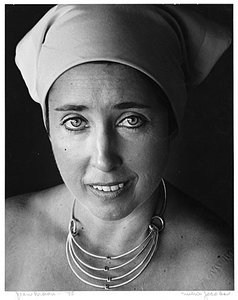
Joan Brown
1938 - 1990 , United States of America
Quick Facts
- Artistic Movement Or Style: Bay Area Figurative, Funk Art
- Artists Or Movements Influenced By This Artist: ['Bay Area Figurative Movement']
- Artists Who Influenced This Artist:
- Elmer Bischoff
- Rembrandt
- Goya
- Velázquez
- Date Of Birth: 1938
- Date Of Death: 1990
- Full Name: Joan Brown
- Nationality: American
- Notable Artworks:
- Untitled (420)
- Self-Portrait with Fish and Cat
- Smoker
- Luxury Liner
- Place Of Birth: San Francisco, USA
Related Articles
Joan Miró's Masterpieces: 25 Iconic Paintings for Art Lovers & Home Decor
Explore 25 iconic Joan Miró paintings! Discover the stories behind his Surrealist masterpieces, vibrant colors & unique style. Find museum-quality Miro reproductions and elevate your home decor with OriginalUniqueArt.com. Explore the full collection online.
Rosy Brown Hues: 10 Master Paintings & Timeless Decor Ideas |
Explore 10 iconic paintings bathed in captivating rosy brown tones! From Rembrandt to Titian, discover the stories behind these masterpieces & their warm color palettes. Find museum-quality art reproductions and decor inspiration at .
Sandy Brown Masterpieces: 10 Iconic Paintings & Timeless Decor Ideas
Explore 10 iconic paintings bathed in captivating sandy brown tones! From Rembrandt to Monet, discover the stories behind these timeless masterpieces & find museum-quality art reproductions for your home. Explore the full collection on OriginalUniqueArt.com.

John George Brown: Capturing American Life & Sentiment in 19th-Century Genre Painting
Explore the captivating genre paintings of John George Brown, celebrated for his realistic depictions of 19th-century American life. Discover his legacy & find museum-quality reproductions at OriginalUniqueArt.
Earthy Hues & Masterpieces: Top 10 Paintings with 'Mushroom' Tones |
Explore 10 iconic paintings with captivating 'mushroom' tones! Discover Van Gogh, Monet & Rembrandt’s masterpieces—earthy palettes, rich history & artistic techniques. Find museum-quality art reproductions and curated decor ideas at



