Preview
 Send
Send Share
Share
 Details

 Download
 Similars
 X-Ray
X-Ray Diaporama
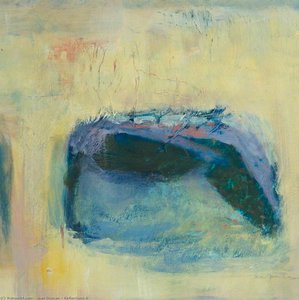
Reflections 6
 40.0 x 40.0 cm
 Northern Ireland Civil Service
 Read More
Giclée / Art Print
Museum-quality giclée or canvas print with fast production and flexible finish options. ( Buy Hand Made Painting Buy Image)




































Pick from our preset sizes that match the artwork's original proportions.

You may enter your own dimensions to fit a specific frame or space. If your selected size does not match the original image's proportions, we will either crop the artwork or extend the image with a mirrored or solid-fill edge. A digital mockup will be sent for your approval before production begins.
Please note that the on-screen preview does not reflect the actual cropping or extension. Only the mockup will accurately show the final composition.
While custom sizes are available, we recommend selecting a dimension from the predefined list to preserve the original proportions.
Worldwide Delivery () in 2 weeks instead of standard 4/5 weeks. (7 September)

Free Worldwide Express Shipping

High-Quality Linen Canvas

Full Shipping Insurance

Customs Tax Refund Guarantee

True Color Matching Guarantee

100-Day Return Policy (Defects Only)

100% Money-Back Guarantee

Bulk Discount Offer
 Glass option is only available in size under 110 CM

Reflections 6
Giclée / Art Print
Reproduction Size
-


Total Price
$ 81
Artist Biography
Jean Duncan: A Pioneer of Rhythm and Texture in British Printmaking
Jean Duncan (1907 – 2006) stands as a singular figure in British printmaking, celebrated for her distinctive approach to abstraction rooted in musical inspiration and imbued with profound symbolic resonance. Born in Belfast, Northern Ireland, Duncan’s artistic journey began amidst the burgeoning Bloomsbury Group movement, where she encountered luminaries like John Tavener and Ezra Pound, fostering an aesthetic sensibility that would define her lifelong oeuvre. Her work transcends mere visual representation; it strives to capture the essence of musical rhythms and harmonies, translating sonic experience into tactile textures and evocative color palettes. Duncan’s formative years were marked by a fascination with music—particularly Gregorian chant—which profoundly impacted her artistic vision. This influence is palpable in her “Still Dancers” series, where she meticulously crafted layered prints utilizing techniques honed at the Seacourt Print Workshop in Northern Ireland. These pieces aren't simply depictions of landscapes; they are explorations of movement and vibration, mirroring the cadence of sacred music through intricate linework and subtle tonal variations. The resulting images possess a hypnotic quality, inviting viewers to contemplate the interplay between visual perception and auditory sensation. Her artistic development continued throughout her prolific career, characterized by experimentation with diverse printing methods—including etching, aquatint, and drypoint—and an unwavering commitment to capturing atmospheric conditions. Notably, Duncan’s exploration of color theory drew inspiration from Tavener's compositions, prioritizing muted hues that convey mood and emotion rather than striving for photographic realism. This stylistic choice aligns perfectly with her overarching aim: to distill complex musical ideas into visual forms accessible yet brimming with symbolic depth. Duncan achieved considerable recognition internationally during her lifetime, showcasing her prints in exhibitions across Europe and North America. Her work garnered acclaim from critics who lauded its originality and emotional intensity—a testament to her ability to communicate profound artistic concepts through deceptively simple imagery. The Musée National Jean-Jacques Henner in Paris houses a significant collection of Duncan’s paintings, offering visitors an opportunity to immerse themselves in the breadth of her artistic output. Beyond her technical mastery and stylistic innovation, Duncan's legacy resides in her contribution to British printmaking as a whole. She championed a humanist aesthetic that prioritized emotional expression alongside meticulous craftsmanship—a philosophy that continues to inspire artists today. Her enduring influence can be seen in subsequent generations of printmakers who embrace abstraction and seek to translate musical ideas into visual language, ensuring Jean Duncan’s place as a pivotal voice within the history of modern art.
Quick Facts
- Artistic Movement Or Style: Abstract Expressionism
- Artists Or Movements Influenced By This Artist: ['John Tavener']
- Full Name: Jean Duncan
- Nationality: British
- Notable Artworks:
- Still Dancers – Trees
- Inlet Bolus Head
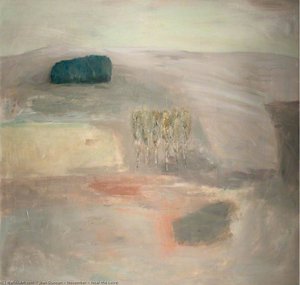
- November – Near the Loire
- Place Of Birth: London, England