
 Preview
 Send
Send Share
Share
 Details

 Download
 Similars
 X-Ray
X-Ray Diaporama
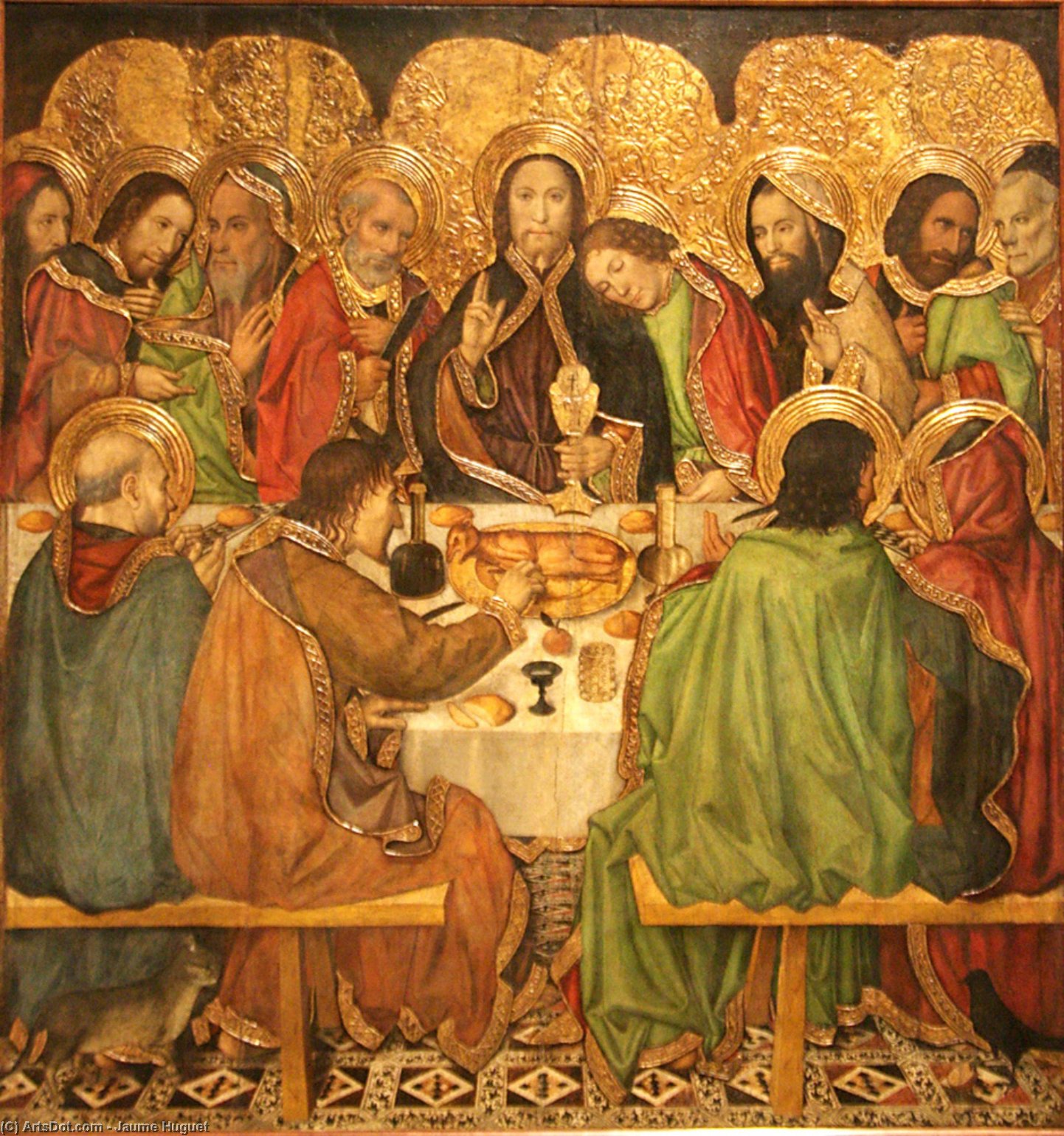
Last Supper
 Acrylic On Canvas
- WallArt
- Late Gothic Style
 1470
1470 172.0 x 164.0 cm
 Museu Nacional d'Art de Catalunya
 Read More
Hand Made Oil Reproduction
Hand-painted oil on canvas in your size and frame, made to order by our artists. ( Buy Print Buy Image)




P118B $10

P118H $10

P118W $10

P438Z $10

P508JH $12

P508YH $12

P805H $10

P805Z $10

P919BZ $10

P919G $10

P919XJ $10

P959ZH $10

P968JZ $12

W106C $8

W218G $10

W218JH $8

W218Y $10

W307PJ $10

W316G $10

W316PJ $8

W316Y $10

W398PJ $8

W4111J $10

W500HY $15

W500JH $15

W692G $12

W849H $8

W940BG $15

W953PJ $8




Pick from our preset sizes that match the artwork's original proportions.

You may enter your own dimensions to fit a specific frame or space. If your selected size does not match the original image's proportions, we will either crop the artwork or extend the painting with additional hand-painted elements. A digital mockup will be sent for your approval before production begins.
Please note that the on-screen preview does not reflect the actual cropping or extension. Only the mockup will accurately show the final composition.
While custom sizes are available, we recommend selecting a dimension from the predefined list to preserve the original proportions.
After order, OriginalUniqueArt.com team will email client for instructions and provide a mockup preview
Worldwide Delivery () in 3/4 weeks instead of standard 5 weeks. (21 August). No compromise on quality.

Free Worldwide Express Shipping

High-Quality Linen Canvas

Full Shipping Insurance

Customs Tax Refund Guarantee

True Color Matching Guarantee

60-Day Return Policy (Defects Only)

100% Money-Back Guarantee

Bulk Discount Offer
 Glass option is only available in size under 110 CM

Last Supper
Reproduction Medium
Reproduction Size
-


Total Price
$ 300
Artwork Description
The Last Supper: A Gothic Masterpiece Transformed
Jaume Huguet’s *Last Supper*, completed around 1470, stands as a remarkable testament to the burgeoning Renaissance spirit within Catalan Gothic art. More than just a depiction of biblical narrative, it embodies a crucial juncture between established artistic traditions and innovative stylistic approaches—a bridge meticulously crafted by Huguet and his workshop.
- Subject Matter: The painting portrays Jesus Christ sharing the final meal with his twelve apostles shortly before his crucifixion, capturing a pivotal moment from Christian scripture.
- Style: Huguet’s work exemplifies Gothic style, characterized by solemn grandeur and intricate ornamentation, yet subtly incorporates elements foreshadowing the humanist ideals of the Renaissance.
- Technique: Employing tempera paint on a gilded wooden panel—a technique favored in Catalan art at the time—Huguet achieved breathtaking luminosity and textural richness through meticulous layering and glazing. The use of embossed metal plates further enhanced the visual splendor, reflecting the artistic ambition of the era.
Historical Context: Florence’s Artistic Revolution
While Huguet's workshop operated independently from the epicenter of Florentine Renaissance innovation—where Leonardo da Vinci was reshaping painting with perspective and sfumato—the influence of Italian art is palpable in his compositional choices. The careful arrangement of figures, mirroring techniques pioneered by artists like Leonardo, demonstrates Huguet’s awareness of evolving artistic standards.
The altarpiece commissioned for Sant Agustí Vell reflects the religious fervor of Catalonia during Huguet's lifetime—a period marked by significant social and political upheaval. Its creation coincided with a broader movement toward stylistic experimentation and a desire to elevate art as a vehicle for conveying spiritual meaning.
Symbolism and Compositional Detail
Huguet’s masterful depiction transcends mere representation; it communicates profound theological ideas through visual cues. The central figure of Jesus dominates the composition, illuminated by a halo—a convention common in Gothic art—yet positioned with deliberate realism, reflecting a humanist fascination with anatomical accuracy. Notice the subtle gestures and expressions of the apostles, conveying emotion and engagement with the sacred narrative.
Furthermore, Huguet’s incorporation of symbolic elements—such as the loaves and wine representing the Eucharist—underscores the painting's spiritual significance. The inclusion of a vase adds to the decorative richness of the scene, mirroring the opulent aesthetic sensibilities prevalent in Catalan art during this transitional period.
Emotional Impact: A Window into Faith
*Last Supper* transcends its formal elements to evoke a powerful emotional response—a contemplation of faith, sacrifice, and communion. Huguet’s skillful rendering captures the solemn atmosphere of the meal itself, inviting viewers to engage with the timeless themes explored within Christian scripture.
This remarkable artwork remains an enduring symbol of Catalan Gothic art's contribution to the broader artistic landscape of Europe—a testament to Huguet’s genius and his ability to synthesize tradition and innovation into a single unforgettable masterpiece.
Artist Biography
Lorenzo di Niccolò: A Bridge Between Gothic and Renaissance Florence
Lorenzo di Niccolò, born around 1374 (though the exact date remains elusive), stands as a pivotal figure in the early development of Florentine painting. Active primarily from 1391 to 1412, he represents a fascinating transitional period – a bridge between the established Gothic sensibilities of the Middle Ages and the burgeoning innovations of the nascent Renaissance. His work, largely centered on religious scenes executed in tempera with lavish gold backgrounds, offers a tangible glimpse into this crucial moment of artistic evolution within Florence. While not as widely celebrated as some of his contemporaries, Lorenzo’s contributions are significant for their stylistic blend and their role in shaping the visual landscape of early 15th-century Italy.Early Training and Influences
Lorenzo's formative years were spent within the workshop of Niccolò di Pietro Gerini, a prominent Florentine painter known for his prolific output and management of large-scale projects rather than specializing in individual artistic mastery. It’s increasingly believed that Lorenzo wasn’t simply an apprentice but rather a pupil deeply influenced by Gerini's approach – a model emphasizing organizational skills and collaborative effort over the pursuit of purely individual artistic brilliance. This apprenticeship, however, was not solely defined by imitation; Lorenzo also drew inspiration from figures like Spinello Aretino, a renowned fresco painter known for his expressive style and willingness to experiment with composition and narrative. Spinello’s larger-scale works encouraged a greater freedom of imagination within the artist's vision, a departure from the more rigid conventions often associated with earlier Gothic art. Furthermore, Lorenzo’s artistic trajectory was subtly shaped by the stylistic echoes of masters like Lorenzo Monaco and Mariotto di Nardo, artists whose techniques and approaches he absorbed during his career.A Style Defined: Tempera on Gold
Lorenzo's distinctive style is immediately recognizable through his preference for tempera paint applied to gold backgrounds. This technique, prevalent throughout the Trecento period, created a luminous and opulent effect, characteristic of Florentine painting at the time. His works typically depict religious scenes – often featuring saints or biblical figures – rendered with a meticulous attention to detail and a restrained emotionalism. The use of gold wasn’t merely decorative; it served as a symbolic representation of divine light and glory, elevating the spiritual significance of the subject matter. The compositions are generally balanced and formal, reflecting the influence of Gothic traditions while incorporating elements of emerging Renaissance perspective and naturalism. Lorenzo's paintings frequently showcase a sense of depth achieved through careful layering of figures and architectural details, albeit within the limitations of tempera’s inherent qualities.Notable Works and Guild Affiliations
Among Lorenzo’s documented works is *S. Giovanni e il suo nemico davanti al crucefisso in San Miniato*, a powerful depiction of John the Baptist confronting his enemies before Christ's cross, currently housed in Florence. This painting exemplifies his ability to convey narrative complexity within a relatively compact format. Records also indicate that Lorenzo was a member of the influential Medici e Speziali guild around 1408 and later joined the Compagnia di San Luca in 1410 – organizations vital for regulating artistic practice and ensuring quality standards within Florence’s thriving art scene. These affiliations underscore his integration into the established Florentine artistic community. His son, Piero, continued the family tradition, further solidifying Lorenzo's legacy within the city’s artistic landscape.Legacy and Historical Significance
Lorenzo di Niccolò’s work represents a crucial link between the Gothic and Renaissance periods in Florentine art. He wasn’t a revolutionary innovator, but rather a skilled craftsman who skillfully blended established traditions with emerging stylistic trends. His paintings offer valuable insights into the artistic practices and social dynamics of early 15th-century Florence – a time of immense cultural and political change. While his individual fame may have been limited during his lifetime, Lorenzo’s contributions are increasingly recognized for their importance in shaping the trajectory of Florentine painting and marking a significant step towards the High Renaissance that would follow. His legacy lies not only in specific artworks but also as a representative figure embodying the complex transition between artistic styles and the evolving spirit of the era.
jaume huguet
1412 - 1492 , Spain
Quick Facts
- Artistic Movement Or Style:
- Trecento
- Early Renaissance
- Gothic influences
- Artists Or Movements Influenced By This Artist: ['Spinello Aretino']
- Artists Who Influenced This Artist:
- Niccolò di Pietro Gerini
- Lorenzo Monaco
- Mariotto di Nardo
- Andrea di Giusto
- Date Of Death: 1492
- Full Name: Lorenzo di Niccolò
- Nationality: Italian
- Notable Artworks: ['S. Giovanni and his enemy']
- Place Of Birth: Florence, Italy
Related Articles
Shadows & Splendor: A Journey Through the Soul of Gothic Art and Architectural Grandeur
Embark on a profound journey through the spiritual intensity of Gothic art. Explore the architectural marvels, luminous stained glass, and sacred sculptures that define this era of grandeur and human devotion.

Gothic Vibes: From Dark Shadows to Bold Modern Edge | The Ultimate Trend Forecast
Explore the evolution of Gothic vibes, from historical shadows to bold modern edge. Discover how dark aesthetics, noir interiors, and contemporary subcultures are redefining modern design through a high-impact, trend-focused lens.
High Medieval Art: 10 Masterpieces That Shaped an Era | OriginalUniqueArt
Journey through High Medieval Art! Explore 10 iconic masterpieces – from Giotto's frescoes to stunning Gothic cathedrals. Discover the stories behind these timeless paintings, sculptures & illuminated manuscripts. Find museum-quality art reproductions at OriginalUniqueArt.com.
Late Medieval Masterpieces: 10 Artworks That Defined an Era | OriginalUniqueArt
Journey through 10 defining Late Medieval masterpieces – from Giotto's frescoes to Jan van Eyck’s realism. Explore the stories, techniques & vibrant colors of Gothic art. Find museum-quality reproductions and elevate your home decor with OriginalUniqueArt.com! Discover all masterpieces on OriginalUniqueArt.com
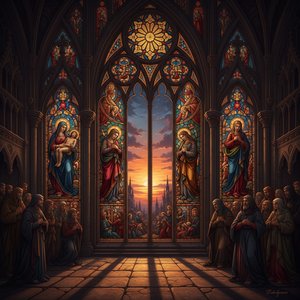
The Radiant Dusk of Medieval Vision: Exploring Late Gothic Art's Synthesis of Faith, Form & Emotionality (c. 1300-1500)
Explore the exquisite beauty & spiritual depth of Late Gothic art (c. 1300-1500). Discover key artists, symbolism, and its lasting influence on the Renaissance. Expert insights at OriginalUniqueArt.



