

 Preview
 Send
Send Share
Share
 Details

 Download
 Similars
 X-Ray
X-Ray Diaporama
Europe and Eurasia mural detail
 Acrylic On Canvas
- WallArt
- Contemporary Realism
Contemporary Realism
 2015
2015- Modern
 Cornell Lab of Ornithology
 Read More
Giclée / Art Print
Museum-quality giclée or canvas print with fast production and flexible finish options. ( Buy Hand Made Painting Buy Image)




P118B $10

P118H $10

P118W $10

P438Z $10

P508JH $12

P508YH $12

P805H $10

P805Z $10

P919BZ $10

P919G $10

P919XJ $10

P959ZH $10

P968JZ $12

W106C $8

W218G $10

W218JH $8

W218Y $10

W307PJ $10

W316G $10

W316PJ $8

W316Y $10

W398PJ $8

W4111J $10

W500HY $15

W500JH $15

W692G $12

W849H $8

W940BG $15

W953PJ $8




Pick from our preset sizes that match the artwork's original proportions.

You may enter your own dimensions to fit a specific frame or space. If your selected size does not match the original image's proportions, we will either crop the artwork or extend the image with a mirrored or solid-fill edge. A digital mockup will be sent for your approval before production begins.
Please note that the on-screen preview does not reflect the actual cropping or extension. Only the mockup will accurately show the final composition.
While custom sizes are available, we recommend selecting a dimension from the predefined list to preserve the original proportions.
Worldwide Delivery () in 2 weeks instead of standard 4/5 weeks. (30 August)

Free Worldwide Express Shipping

High-Quality Linen Canvas

Full Shipping Insurance

Customs Tax Refund Guarantee

True Color Matching Guarantee

60-Day Return Policy (Defects Only)

100% Money-Back Guarantee

Bulk Discount Offer
 Glass option is only available in size under 110 CM

Europe and Eurasia mural detail
Giclée / Art Print
Reproduction Size
-


Total Price
$ 81
A Symphony of Flight: Exploring Jane Kim’s “Europe and Eurasia Mural Detail”
Jane Kim's "Europe and Eurasia Mural Detail" is more than just a depiction of birds; it’s an immersive exploration of avian diversity, rendered with meticulous detail and imbued with a quiet sense of observation. Painted in 2015, this artwork immediately draws the viewer into a world teeming with life – a vibrant tableau of European and Eurasian species captured mid-flight, seemingly poised for a moment of serene contemplation. The painting’s strength lies not just in its technical execution but also in its ability to evoke a feeling of wonder and connection with the natural world.
- Subject Matter: The central focus is undeniably the birds themselves – a carefully curated selection representing various species from across Europe and Eurasia. Their wings are spread, suggesting both movement and stillness, creating a dynamic yet contemplative scene.
- Composition: Two prominent birds dominate the center of the painting, positioned one atop the other, adding a layer of visual hierarchy and perhaps symbolizing dominance or connection. The surrounding figures add an element of human interaction with nature, inviting the viewer to consider their own role within this ecosystem.
Technique and Style: A Detailed Observation
Kim’s technique is characterized by a remarkable level of detail, reminiscent of naturalist studies but infused with a distinctly contemporary sensibility. The brushstrokes are controlled yet expressive, allowing the textures of feathers to emerge realistically while maintaining an overall sense of fluidity. The color palette leans towards earthy tones – browns, greens, and blues – reflecting the natural habitats of these birds, creating a harmonious and believable environment. This meticulous approach elevates the artwork beyond a simple representation, transforming it into a study of form and texture.
- Realism with Impressionistic Touches: While grounded in realism, Kim incorporates subtle impressionistic elements, particularly in the rendering of light and shadow, adding depth and vibrancy to the scene.
- Layered Detail: The artist skillfully employs layering techniques to build up the complexity of each bird’s plumage, capturing the nuances of individual feathers with impressive accuracy.
Symbolism and Context
The inclusion of multiple bird species speaks to a broader theme of biodiversity and conservation – a timely consideration given increasing environmental concerns. The presence of human figures suggests humanity's relationship with nature, prompting reflection on our role as observers and potential stewards. Considering Kim’s birth year (1981), the artwork can be viewed within the context of late 20th-century art trends that often explored themes of identity, environment, and social commentary – a subtle nod to the legacy of artists grappling with similar issues.
- Connection to Natural History: The detailed depiction of birds echoes the tradition of natural history illustration, highlighting the beauty and complexity of the animal kingdom.
- Contemporary Relevance: The artwork’s focus on observation and connection with nature resonates strongly in today's world, encouraging viewers to appreciate the wonders of the natural environment.
Emotional Impact and Artistic Value
"Europe and Eurasia Mural Detail" possesses a quiet emotional power that transcends its subject matter. It evokes a sense of peace, tranquility, and appreciation for the beauty of the natural world. This artwork is ideal for those seeking to bring a touch of nature into their homes or offices, or for collectors interested in supporting emerging artists who demonstrate exceptional skill and vision. Its detailed rendering and thoughtful composition make it a captivating piece that will undoubtedly spark conversation and inspire contemplation.
Artist Biography
Jean-Michel Basquiat: A Life Forged in Urban Grit and Raw Emotion
Born in Harlem, New York City in 1960, Jean-Michel Basquiat’s life was a whirlwind of artistic experimentation, social commentary, and tragically premature death. His journey from the streets of Manhattan to international acclaim is a testament to his raw talent, relentless drive, and the potent confluence of influences that shaped his distinctive visual language. Basquiat's work wasn’t simply about painting; it was an urgent dialogue with American society, grappling with issues of race, class, power, and identity within the vibrant, often chaotic landscape of 1980s New York.
Early influences were deeply rooted in his surroundings. Growing up in a predominantly Black neighborhood, Basquiat witnessed firsthand the inequalities and struggles faced by marginalized communities. This experience fueled a critical perspective that permeated his art. He was also profoundly impacted by graffiti culture – a world of vibrant tags, elaborate murals, and rebellious expression – which he initially engaged with through the duo SAMO (pronounced “samo”), alongside Al Diaz. Together they created enigmatic epigrams, often addressing social issues and challenging established norms, plastered across Lower East Side walls. This early collaboration provided him with invaluable experience in street art techniques and a crucial understanding of how to communicate directly with a public audience.
- Graffiti Roots: SAMO’s work laid the foundation for Basquiat's later style, utilizing bold typography and layered imagery.
- Musical Influence: The burgeoning hip-hop scene profoundly influenced his aesthetic – the rhythmic energy of breakbeats, the raw emotion of spoken word poetry, and the DIY ethos all found their way into his art.
- Art Historical References: Basquiat drew inspiration from a diverse range of sources, including African masks, Renaissance paintings, comic books, and the writings of writers like James Baldwin and Charles Baudelaire.
The Rise to Prominence – Neo-Expressionism and Institutional Recognition
By the early 1980s, Basquiat’s individual style began to emerge, distinct from SAMO's collaborative approach. He transitioned from anonymous graffiti tags to large-scale paintings that explored themes of race, poverty, and cultural identity with a newfound intensity. His work quickly gained attention within the New York art scene, aligning him with the burgeoning neo-expressionist movement – characterized by its rejection of minimalist abstraction and embrace of subjective experience and emotional expression.
A pivotal moment arrived in 1982 when Basquiat exhibited at the prestigious Whitney Museum of American Art’s annual exhibition, “Documenta,” a remarkable achievement for a young Black artist. This recognition catapulted him to international fame, alongside artists like David Salle and Elizabeth Murray. His work was immediately lauded for its raw energy, confrontational imagery, and powerful social commentary. He quickly became one of the youngest artists ever to exhibit at the Whitney Biennial in 1983, further solidifying his position as a major force in contemporary art.
A Distinctive Style – Combining Text and Image
Basquiat’s artistic style was instantly recognizable. He employed a distinctive combination of text and image, often layering words and symbols onto canvases filled with fragmented figures, skulls, crowns (a symbol of royalty and power), and other recurring motifs. His paintings were not simply decorative; they were dense with meaning, demanding close scrutiny and inviting multiple interpretations.
- Collage Techniques: He frequently incorporated elements from magazines, newspapers, and street signs into his compositions, creating a visual dialogue between high art and popular culture.
- Symbolic Imagery: Recurring symbols – skulls representing mortality, crowns signifying power and status, hands referencing labor and struggle – were imbued with complex layers of meaning.
- Bold Typography: Basquiat’s use of bold, often chaotic typography served as both decorative elements and vehicles for social commentary.
Tragic End and Lasting Legacy
Despite his rapid rise to fame, Basquiat's life was tragically cut short at the age of 27 in August 1988 due to a heroin overdose. His untimely death shocked the art world and left behind a body of work that continues to resonate with audiences today.
Today, Jean-Michel Basquiat’s paintings command some of the highest prices on the art market, reflecting his enduring influence and the critical importance of his artistic vision. His work serves as a powerful reminder of the struggles faced by marginalized communities, the complexities of identity, and the urgent need for social justice. He remains an icon of 20th-century art – a voice that continues to challenge us to confront uncomfortable truths and imagine a more equitable world.
Further Exploration
For deeper insights into Basquiat’s life and work, consider exploring these resources:

jane kim
1981 - , United States of America
Quick Facts
- Artistic Movement Or Style: Neo-expressionism
- Artists Or Movements Influenced By This Artist:
- Graffiti art
- Street art
- Hip-hop culture
- Artists Who Influenced This Artist:
- Piero Manzoni
- Andy Warhol
- Jackson Pollock
- Date Of Birth: December 22, 1960
- Date Of Death: August 12, 1988
- Full Name: Jean-Michel Basquiat
- Nationality: American
- Notable Artworks:
- Irony of Negro Policeman
- Skull of Doom
- Untitled (1982)
- Boy and Dog in a Johnnypump
- Defacement
- Hollywood Africans
- Place Of Birth: New York City, USA
Related Articles

Elevating Interiors: How Murals are Redefining Kitchens and Bathrooms
Transform your kitchen & bathroom with stunning murals! Explore design trends, durable materials & expert advice. Elevate your interiors with 's bespoke mural solutions.

From Jungle Scenes to Gold Leaf Geometry: A Guide to Today's Most Requested Mural Styles
Explore today's top mural styles for hotels & commercial spaces! Discover trends, expert insights, & custom design solutions. Elevate your space with .

Anchoring Interior Design with Murals: A Comprehensive Guide for Hotel Designers
Elevate your hotel's design with impactful murals! Our expert guide explores anchoring interior spaces, thematic storytelling & durable solutions for luxury hospitality. Discover bespoke art options & elevate the guest experience.
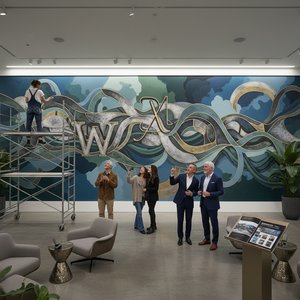
Transforming Spaces: How Custom Murals Forge Brand Identity & Enhance Customer Experience
Elevate your brand & spaces with custom murals. Explore expert insights on design, artists, materials & installation. Transform environments – discover 's bespoke solutions.

Elevating Entryways: Transforming Foyers with Artful Murals - A Designer's Guide
Transform your foyer with stunning murals! Explore design trends, artist insights & expert advice for creating a memorable entryway. Discover custom mural solutions at .



