Preview
 Send
Send Share
Share
 Details
 Guide
Guide

 Download
 Similars
 X-Ray
X-Ray Diaporama
 Q&A
Q&A Stats
Statsautumn algoma


 Read More
Giclée / Art Print
Museum-quality giclée or canvas print with fast production and flexible finish options. ( Buy Hand Made Painting Switch to Digital Image)




P118B $10

P118H $10

P118W $10

P438Z $10

P508JH $12

P508YH $12

P805H $10

P805Z $10

P919BZ $10

P919G $10

P919XJ $10

P959ZH $10

P968JZ $12

W106C $8

W218G $10

W218JH $8

W218Y $10

W307PJ $10

W316G $10

W316PJ $8

W316Y $10

W398PJ $8

W4111J $10

W500HY $15

W500JH $15

W692G $12

W849H $8

W940BG $15

W953PJ $8




Pick from our preset sizes that match the artwork's original proportions.

Type the width and the height you need, to fit your frame or your wall. A print can only be cut, never made bigger than the picture, so a size with a different shape loses a part of the image. We send you a digital mockup to approve before we print anything. The picture shown on this page does not show the real cut — only the mockup does.
Worldwide Delivery () in 2 weeks instead of standard 4/5 weeks. (1 November)

Free Worldwide Express Shipping

High-Quality Linen Canvas

Full Shipping Insurance

Customs Tax Refund Guarantee

True Color Matching Guarantee

100-Day Return Policy (Defects Only)

100% Money-Back Guarantee

Bulk Discount Offer
 Glass option is only available in size under 110 CM

autumn algoma
Giclée / Art Print
Reproduction Size
-


Total Price
$ 81
A Symphony of Gold and Crimson: The Soul of Autumn Algoma
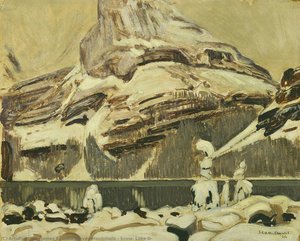
In the quiet, transformative moments of the Canadian wilderness, few works capture the ephemeral magic of the changing seasons as profoundly as James Edward Hervey MacDonald’s "Autumn Algoma." Painted in 1918, this masterpiece serves as a breathtaking window into a world where nature performs its most vibrant annual ritual. The composition centers upon a singular, majestic tree, its leaves turned to a brilliant, sun-drenched yellow, acting as a luminous focal point amidst a sea of shifting hues. Surrounding this central figure, the forest erupts in a rhythmic dance of deep oranges and fiery reds, punctuated by the lingering, stoic greens of the evergreens that refuse to yield to the frost. This interplay of warm and cool tones creates a visual melody that resonates with the very heartbeat of the northern landscape.
Beyond the mere depiction of foliage, MacDonald breathes life into the stillness through subtle, masterful details. The presence of two small birds, delicately placed within the canopy, introduces a narrative of vitality and continuity; they are silent witnesses to the seasonal transition, reminding the viewer that even in the cooling air, the wilderness remains a living, breathing entity. The technique employed here is characteristic of MacDonald’s ability to balance structural clarity with atmospheric softness. Through his brushwork, he achieves a texture that feels both tactile and ethereal, allowing the light to seem as though it is filtering through the very leaves themselves, casting a serene and tranquil glow over the entire Algoma region.
A Legacy of Canadian Identity and Artistic Vision
To understand "Autumn Algoma," one must look toward the historical currents that shaped the Canadian identity during the early twentieth century. As a foundational member of the legendary Group of Seven, MacDonald was instrumental in moving away from European-centric landscape traditions to forge a uniquely North American aesthetic. This painting is not merely a seasonal study; it is an act of nation-building through art. By focusing on the rugged, untamed beauty of the Ontario wilderness, MacDonald helped a young nation see its own landscape as something worthy of profound reverence and artistic devotion. His work captures the spirit of a frontier transitioning into a cherished heritage.
For the discerning collector or interior designer, this piece offers much more than aesthetic appeal; it provides an emotional anchor. The painting evokes a sense of nostalgic peace—a quietude that invites contemplation and provides a respite from the frenetic pace of modern life. Whether placed in a grand gallery setting or as a focal point in a sophisticated residential space, "Autumn Algoma"* brings with it the restorative power of the natural world. It is an invitation to pause, to breathe, and to immerse oneself in the timeless, golden splendor of the Canadian autumn.
Questions & Answers
What is the luminance of "autumn algoma" by James Edward Hervey MacDonald?
The colors of "autumn algoma" show a soft shadow luminance.
Who is "autumn algoma" suggested for as a present, and for what use?
"autumn algoma" is suggested for seasonal gift as a present, with seasonal in mind.
What color palette is used in "autumn algoma" by James Edward Hervey MacDonald?
The palette of "autumn algoma" by James Edward Hervey MacDonald is described as dark. It is a compact description of the work's colors.
Artist Biography
James Edward Hervey MacDonald: A Pioneer of Canadian Landscape
James Edward Hervey MacDonald (1873-1932) stands as a pivotal figure in the development of modern Canadian art, inextricably linked to the formation and ethos of the Group of Seven. More than just a painter, he was a visionary who profoundly shaped the visual identity of Canada through his vibrant depictions of the nation’s wilderness – its forests, shimmering lakes, and the dramatic northern landscapes. Born in Durham, England, MacDonald's journey to becoming one of Canada’s most celebrated artists is a testament to his artistic ambition, his deep connection to nature, and his crucial role in establishing a distinctly Canadian artistic voice. His legacy continues to resonate through his paintings, which are now recognized as cornerstones of the country’s cultural heritage.Early Life and Artistic Training
MacDonald's early life was marked by a move to Canada at the age of fourteen with his family, settling in Hamilton, Ontario. This relocation proved transformative, setting him on a path toward embracing the rugged beauty of his new homeland. Initially, he received formal training at the Hamilton Art School, absorbing influences from artists like John Ireland and Arthur Heming. However, it was his subsequent move to Toronto that truly ignited his artistic spirit. He immersed himself in the burgeoning commercial art scene, honing his skills at Grip Ltd., a leading printing firm, where he developed a keen eye for design and typography. This experience proved invaluable later in his career, informing his approach to composition and visual storytelling. Crucially, it also exposed him to a network of fellow artists, including Tom Thomson, who would eventually become central figures in the Group of Seven. His time at the Central Ontario School of Art and Design further solidified his artistic foundation, under the tutelage of George Agnew Reid and William Cruikshank.The Formation of the Group of Seven and Artistic Style
MacDonald’s most significant contribution to Canadian art lies in his role as a founding member of the Group of Seven – a collective of artists who sought to break away from European artistic traditions and forge a uniquely Canadian style. The group, initially comprised of A.Y. Jackson, Franklin Hugh Hodgson, Lawren Harris, Arthur Mason Hayworth, Charles Hiam Littleboy, and later Ernest Loyd and J.M.W. Sutherland, was profoundly influenced by MacDonald’s vision. He recognized the need for a distinct artistic identity that reflected Canada's vast landscapes and its people. MacDonald’s style is characterized by bold color palettes, dynamic brushwork, and an intense emotional response to the natural world. Unlike the muted tones often associated with academic art, MacDonald embraced vibrant hues – deep blues of northern lakes, fiery reds and oranges of autumn foliage, and rich greens of dense forests. His paintings are not merely representations of landscapes; they are imbued with a sense of energy, drama, and a profound connection to the spirit of the wilderness.Key Works and Notable Paintings
MacDonald’s artistic output is remarkably prolific, encompassing a wide range of subjects within the Canadian landscape. His paintings of Algoma (Georgian Bay) are particularly renowned for their evocative power and technical mastery. Works such as “A Sandy Beach, Lake Ontario” capture the shimmering light on water and the rugged beauty of the shoreline with remarkable detail and sensitivity. "Early Evening, Winter" exemplifies his ability to convey the stark beauty of a Canadian winter landscape, utilizing contrasting colors and dramatic lighting to create a sense of both serenity and intensity. His series of paintings depicting the northern wilderness – forests, lakes, and mountains – are considered seminal works in establishing a distinctly Canadian artistic aesthetic. His work often reflects a deep appreciation for the natural world, combined with a keen awareness of its fragility.Legacy and Historical Significance
James Edward Hervey MacDonald’s impact on Canadian art is immeasurable. As a founding member of the Group of Seven, he played a crucial role in establishing a national artistic identity that continues to resonate today. His bold use of color, dynamic brushwork, and profound connection to the Canadian landscape profoundly influenced generations of artists. Beyond his artistic achievements, MacDonald was also a dedicated educator and mentor, nurturing the talents of many young painters. He championed a spirit of innovation and experimentation, encouraging artists to break free from traditional conventions and explore new ways of representing their world. His legacy extends beyond the canvas; he helped shape Canada’s cultural landscape, solidifying its place on the international art stage. His paintings are now celebrated in museums and private collections across Canada and around the world, a testament to his enduring artistic vision.
James Edward Hervey MacDonald
1873 - 1932 , United Kingdom
Quick Facts
- Full Name: James Edward Hervey MacDonald
- Nationality: British-Canadian
- Date Of Birth: 1873
- Date Of Death: 1932
- Place Of Birth: Durham, United Kingdom
- Notable Artworks:
- A Sandy Beach, Lake Ontario
- Early Evening, Winter
- Artistic Movement Or Style: Group of Seven
- Artists Who Influenced This Artist:
- Ralph Waldo Emerson
- Henry David Thoreau
- Artists Or Movements Influenced By This Artist:
- Tom Thomson
- Group of Seven
Related Articles
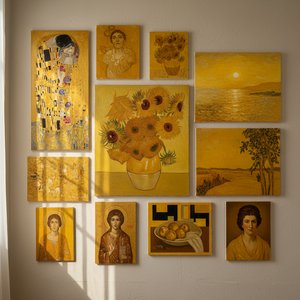
Golden Hues: Top 10 Paintings Dominated by Yellow Ochre |
Explore 10 iconic paintings bathed in golden yellow ochre! From Van Gogh's sunflowers to Monet’s haystacks, discover the stories behind these masterpieces. Find museum-quality art reproductions & elevate your home decor on .

Arboreal Echoes: A Historical & Artistic Exploration of Trees in Painting
Explore the rich history of trees in painting! Discover symbolism, Romantic masterpieces by Caspar David Friedrich & beyond. A curated journey for art enthusiasts.
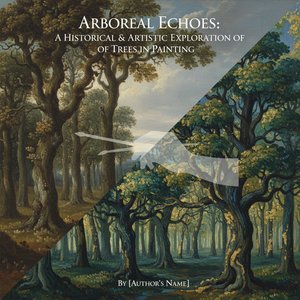
Arboreal Echoes: A Historical & Artistic Exploration of Trees in Painting
Explore the rich history of trees in painting! Discover symbolism, Romantic masterpieces by Caspar David Friedrich & beyond. A curated journey for art enthusiasts.
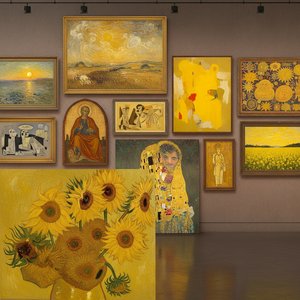
Golden Hues: 10 Masterpieces Dominated by Chrome Yellow | OriginalUniqueArt
Immerse yourself in golden light! Explore 10 famous paintings dominated by 'Chrome Yellow', from Van Gogh’s Sunflowers to Monet's Haystacks. Discover the stories behind these iconic Impressionist & Post-Impressionist masterpieces and find museum-quality art reproductions at OriginalUniqueArt.com.

Golden Hues & Crimson Leaves: Capturing the Magic of Autumn Colors in Fine Art
Embark on a visual journey through the golden hues of autumn fine art. Discover how masters like Van Gogh capture seasonal magic through vibrant oil landscapes and explore expert tips for collecting timeless autumnal masterpieces.