Preview
 Send
Send Share
Share
 Details
 Guide
Guide

 Download
 Similars
 X-Ray
X-Ray Diaporama
 Stats
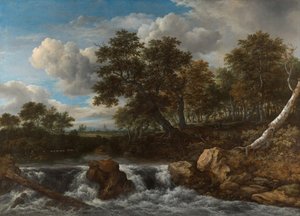
StatsThe Waterfall
 Oil On Canvas
- WallArt
- Dutch Golden Age
 1665
1665- Renaissance
 100.0 x 87.0 cm
 Staatliche Museen
 Read More
Giclée / Art Print
Museum-quality giclée or canvas print with fast production and flexible finish options. ( Buy Hand Made Painting Switch to Digital Image)




P118B $10

P118H $10

P118W $10

P438Z $10

P508JH $12

P508YH $12

P805H $10

P805Z $10

P919BZ $10

P919G $10

P919XJ $10

P959ZH $10

P968JZ $12

W106C $8

W218G $10

W218JH $8

W218Y $10

W307PJ $10

W316G $10

W316PJ $8

W316Y $10

W398PJ $8

W4111J $10

W500HY $15

W500JH $15

W692G $12

W849H $8

W940BG $15

W953PJ $8




Pick from our preset sizes that match the artwork's original proportions.

Type the width and the height you need, to fit your frame or your wall. A print can only be cut, never made bigger than the picture, so a size with a different shape loses a part of the image. We send you a digital mockup to approve before we print anything. The picture shown on this page does not show the real cut — only the mockup does.
Worldwide Delivery () in 2 weeks instead of standard 4/5 weeks. (24 October)

Free Worldwide Express Shipping

High-Quality Linen Canvas

Full Shipping Insurance

Customs Tax Refund Guarantee

True Color Matching Guarantee

100-Day Return Policy (Defects Only)

100% Money-Back Guarantee

Bulk Discount Offer
 Glass option is only available in size under 110 CM

The Waterfall
Giclée / Art Print
Reproduction Size
-


Total Price
$ 81
A Masterpiece of Dutch Serenity: "The Waterfall" by Jacob Isaackszoon van Ruysdael
Jacob Isaackszoon van Ruysdael’s “The Waterfall,” painted in 1665, is more than just a depiction of a natural scene; it's a profound meditation on tranquility and observation – hallmarks of the Dutch Golden Age. Measuring an impressive 100 x 87 cm, this artwork transports the viewer to a moment of serene contemplation, capturing the essence of a landscape that was rapidly becoming central to Dutch artistic expression. Housed within the Staatliche Museen in Kassel, Germany, “The Waterfall” represents a pivotal work by a man who fundamentally shaped the definition of landscape painting and remains a cornerstone of Dutch art history.
Technical Brilliance: The Art of Atmospheric Depth
- Oil on Canvas: Executed with meticulous detail in oil on canvas, Ruysdael’s technique is immediately arresting. He demonstrates an unparalleled command of light and shadow, skillfully rendering the cascading water with a dynamic sense of movement.
- Reflections and Illusion: The shimmering reflections across the wet rocks are not merely decorative; they're a masterful illusion of depth, drawing the viewer into the heart of the scene. This technique was revolutionary for its time, pushing the boundaries of what was possible in oil painting.
- Layered Brushstrokes: Noticeable upon close inspection, the layering of brushstrokes contributes to the painting’s textural richness – from the rough texture of the cliff face to the delicate foliage surrounding the waterfall. This deliberate approach adds a remarkable sense of realism and tactile quality.
- Atmospheric Perspective: Ruysdael's use of atmospheric perspective—the subtle blurring of distant elements—is particularly noteworthy, creating a believable sense of space and distance that was groundbreaking for its time.
A Window into 17th-Century Dutch Life
“The Waterfall” transcends the purely aesthetic; it’s a snapshot of 17th-century Dutch life, offering a glimpse into rural existence and the values of the era. The small village nestled amongst the hills speaks to the importance of agriculture and community, while the church steeple rising above the rooftops underscores the profound influence of faith. This detail elevates the painting beyond a simple landscape, transforming it into a narrative window onto a bygone world.
Symbolism and Emotional Impact
The composition itself is carefully balanced, guiding the eye through the scene from the foreground waterfall to the distant village, reinforcing the painting’s inherent harmony. The overcast sky hints at a sense of quiet contemplation, while the sheer power of the falling water evokes both awe and a feeling of vulnerability. Ruysdael's ability to capture such nuanced emotions within a landscape is a testament to his artistic genius. The artwork continues to resonate with viewers today, offering a moment of respite and reminding us of the enduring beauty of nature.
Provenance and Significance
Created in 1665, “The Waterfall” stands as a prime example of Ruysdael’s artistic evolution. Initially known for his depictions of Dutch countryside scenes, he later incorporated elements of German influence after his travels, broadening his stylistic range. This painting exemplifies his mastery and secures its place as a foundational work within the history of landscape art, offering a tangible connection to the vibrant cultural landscape of the Dutch Golden Age.
Questions & Answers
What is "The Waterfall" made with?
Jacob Isaackszoon Van Ruisdael used the oil on canvas technique for "The Waterfall". The technique defines the material nature of the original work.
When was "The Waterfall" created, and to which movement does it belong?
"The Waterfall" by Jacob Isaackszoon Van Ruisdael is dated 1665 and belongs to Dutch Golden Age.
Can I watch "The Waterfall" as a full-screen slideshow?
"The Waterfall" by Jacob Isaackszoon Van Ruisdael can be viewed as a slideshow on the artwork's Diaporama page.
Artist Biography
early life and career
jacob isaackszoon van ruisdael, a prominent dutch painter, draughtsman, and etcher, was born in 1628 in the netherlands. he is widely regarded as the pre-eminent landscape painter of the dutch golden age, a period marked by great wealth and cultural achievement.
artistic style and contributions
van ruisdael's work is characterized by its versatility and prolific nature, depicting a wide variety of landscape subjects. from 1646, he painted remarkable dutch countryside scenes, which later took on a more heroic character after his trip to germany in 1650. his late work, produced while living and working in amsterdam, featured city panoramas and seascapes, often with the sky occupying two-thirds of the canvas.
- waterfall in a rocky and mountainous landscape, showcasing his mastery of light and composition.
- view of haarlem with bleaching grounds, exemplifying his ability to capture the essence of the dutch landscape.
- view of the dam and the damrak in amsterdam, highlighting his skill in cityscape painting.
museums and collections
van ruisdael's work is spread across private and institutional collections worldwide, with notable holdings at:
- the national gallery in london
- the rijksmuseum in amsterdam
- the hermitage museum in st. petersburg
influence and legacy
van ruisdael's influence on landscape painting traditions is profound, shaping the english romantics, the barbizon school in france, and the hudson river school in the us. he also inspired generations of dutch landscape artists. notable works:
- view of haarlem with bleaching grounds
- waterfall in a rocky and mountainous landscape
- view of the dam and the damrak in amsterdam
artist's profile on OriginalUniqueArt: jacob isaackszoon van ruisdael

Jacob Isaackszoon Van Ruisdael
1628 - 1682 , Netherlands
Quick Facts
- Full Name: Jacob Isaackszoon van Ruisdael
- Nationality: Dutch
- Date Of Birth: 1628
- Date Of Death: 1682
- Place Of Birth: Haarlem, Netherlands
- Notable Artworks:
- View of Haarlem
- Waterfall landscape
- Amsterdam cityscape
- Artistic Movement Or Style: Dutch Golden Age, Baroque
- Artists Who Influenced This Artist: ['Hendrick Vroom']
- Artists Or Movements Influenced By This Artist:
- English Romantics
- Barbizon School
Related Articles

Dutch Masters: 10 Golden Age Paintings That Still Inspire |
Journey into the Dutch Golden Age! Explore 10 iconic paintings by Rembrandt, Vermeer & Hals. Discover the stories behind these Baroque masterpieces and find museum-quality art reproductions to elevate your home decor on .

Rembrandt's Masterpieces: Explore 25 Iconic Paintings & Prints | OriginalUniqueArt
Journey through Rembrandt van Rijn's 25 most iconic paintings & etchings. Explore Dutch Golden Age masterpieces, dramatic chiaroscuro, and timeless portraits. Find museum-quality art reproductions to elevate your home decor on OriginalUniqueArt.com.
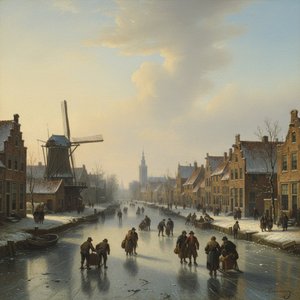
Charles Leickert: Capturing the Dutch Golden Age Light – A Comprehensive Study of Technique, Context, and Legacy
Explore the captivating winter landscapes of Charles Leickert, a master of Dutch Golden Age light & atmosphere. Discover his techniques, symbolism, and lasting legacy – a comprehensive study for art enthusiasts and collectors.

Golden Light & Dutch Skies: Bringing the Magic of Dutch Golden Age Landscapes into Your Home
Transform your home with the breathtaking light of Dutch Golden Age landscapes. Discover how hand-painted oil reproductions of masterworks like Ruisdael and Vermeer bring timeless elegance, atmosphere, and soulful texture to modern interiors. Elevate your space with museum-quality art.

Golden Light & Dutch Skies: The Timeless Magic of Dutch Golden Age Landscapes
Discover the breathtaking beauty of Dutch Golden Age landscapes. Explore the mastery of light, chiaroscuro, and 17th-century realism through an expert art history lens, celebrating the enduring legacy of the Dutch Masters for discerning collectors and art lovers.