Preview
 Send
Send Share
Share
 Details
 Guide
Guide

 Download
 Similars
 X-Ray
X-Ray Diaporama
 Q&A
Q&A Stats
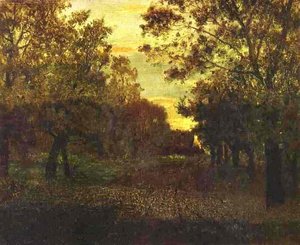
StatsThe First Green. May. Study


 Read More
Giclée / Art Print
Museum-quality giclée or canvas print with fast production and flexible finish options. ( Buy Hand Made Painting Switch to Digital Image)




P118B $10

P118H $10

P118W $10

P438Z $10

P508JH $12

P508YH $12

P805H $10

P805Z $10

P919BZ $10

P919G $10

P919XJ $10

P959ZH $10

P968JZ $12

W106C $8

W218G $10

W218JH $8

W218Y $10

W307PJ $10

W316G $10

W316PJ $8

W316Y $10

W398PJ $8

W4111J $10

W500HY $15

W500JH $15

W692G $12

W849H $8

W940BG $15

W953PJ $8




Pick from our preset sizes that match the artwork's original proportions.

Type the width and the height you need, to fit your frame or your wall. A print can only be cut, never made bigger than the picture, so a size with a different shape loses a part of the image. We send you a digital mockup to approve before we print anything. The picture shown on this page does not show the real cut — only the mockup does.
Worldwide Delivery () in 2 weeks instead of standard 4/5 weeks. (28 October)

Free Worldwide Express Shipping

High-Quality Linen Canvas

Full Shipping Insurance

Customs Tax Refund Guarantee

True Color Matching Guarantee

100-Day Return Policy (Defects Only)

100% Money-Back Guarantee

Bulk Discount Offer
 Glass option is only available in size under 110 CM

The First Green. May. Study
Giclée / Art Print
Reproduction Size
-


Total Price
$ 81
The Soul of a Russian Spring: Unveiling “The First Green. May. Study”
Isaak Ilyich Levitan’s “The First Green. May. Study,” painted in 1883, isn't merely a depiction of a landscape; it’s a profound meditation on the ephemeral beauty of nature and the quiet melancholy inherent within the Russian soul. This oil-on-canvas masterpiece, currently residing within the hallowed halls of the Tretyakov Gallery in Moscow, offers a glimpse into Levitan’s signature “mood landscapes,” a genre he largely defined through his masterful ability to capture not just visual elements but also the very essence of a moment – the feeling of a spring day slowly awakening. The painting immediately draws the viewer in with its muted palette dominated by soft greens and browns, punctuated by the subtle blues of distant trees and the weathered grey of the old wooden fence that bisects the scene. It’s a scene steeped in tranquility, yet subtly imbued with a sense of longing, a feeling that resonates deeply within the viewer long after they've turned away.
Levitan’s artistic journey was shaped by his early life experiences – the loss of his parents and subsequent poverty instilled within him a sensitivity to the transient nature of beauty. He wasn’t simply recording what he saw; he was translating an emotional response into visual form. This is evident in the way he renders the light, which seems to diffuse through the trees, creating an atmosphere of gentle warmth despite the cool colors. The brushstrokes are loose and expressive, characteristic of his style, conveying a sense of movement and airiness. He employed a technique known as “alla prima,” working directly onto the canvas without extensive underpainting, allowing for spontaneity and immediacy in capturing the fleeting effects of light and atmosphere.
A Window into Levitan’s Realism
Levitan's artistic approach firmly rooted him within the Realist movement, a reaction against the romanticized depictions prevalent at the time. Unlike his predecessors who often idealized nature, Levitan sought to portray it with unflinching honesty – capturing its imperfections, its subtle shifts in light and shadow, and its inherent connection to human experience. The fence itself is a key element of this realism; it’s not an idyllic backdrop but rather a weathered structure, bearing the marks of time and use, grounding the scene in a tangible reality. The inclusion of the dog, standing quietly at the bottom right corner, adds a layer of domesticity and life to the otherwise serene landscape, suggesting a connection between humanity and nature.
Furthermore, Levitan’s meticulous attention to detail – the texture of the wood planks, the individual leaves on the trees, the subtle variations in color – speaks volumes about his dedication to capturing the authentic essence of the scene. He wasn't interested in creating a picturesque postcard; he was striving for a profound and deeply felt representation of the natural world. His work reflects a deep understanding of Russian rural life and a sensitivity to its rhythms and moods.
Symbolism and Emotional Resonance
“The First Green. May. Study” is rich in symbolic meaning, inviting contemplation beyond its purely visual appeal. The title itself – “The First Green. May.” – immediately evokes the promise of renewal and rebirth associated with springtime. However, there’s also a subtle undercurrent of melancholy, perhaps reflecting Levitan's own personal experiences of loss and hardship. The fence, acting as a barrier between the viewer and the distant landscape, can be interpreted as a symbol of separation or isolation – a reminder of the distance between humanity and nature, or perhaps even between individuals.
The painting’s emotional impact is profound. It evokes a sense of peace and tranquility, but also a quiet yearning for something more—a connection to the natural world, a remembrance of lost loved ones, or simply a recognition of the fleeting beauty of life itself. It's a work that invites viewers to slow down, breathe deeply, and contemplate the simple joys and sorrows of existence.
Bringing Levitan’s Vision Home
For those seeking to experience the captivating artistry of “The First Green. May. Study” firsthand, reproductions are readily available through platforms like OriginalUniqueArt.com, offering a remarkable opportunity to own a piece of Russian art history. These meticulously crafted reproductions capture the essence of Levitan’s original work with exceptional detail and fidelity, allowing you to bring this timeless masterpiece into your home or office. Consider commissioning a custom size reproduction to perfectly complement your existing décor – a truly exquisite addition to any collection.
Questions & Answers
When and with what materials was "The First Green. May. Study" made?
"The First Green. May. Study" was made in 1883, in oil on canvas.
What is a reproduction of "The First Green. May. Study" by Isaak Ilyich Levitan recommended for?
The suggested use for "The First Green. May. Study" by Isaak Ilyich Levitan is statement. It can serve other purposes as well.
What explains the copyright situation of "The First Green. May. Study" by Isaak Ilyich Levitan?
"The First Green. May. Study" by Isaak Ilyich Levitan is in the public domain - its copyright has expired. Copyright duration runs from the artist's death, which occurred in 1900.
Artist Biography
A Symphony of the Russian Soul: The Life and Art of Isaak Ilyich Levitan
Isaak Ilyich Levitan, a name synonymous with the evocative power of Russian landscape painting, was more than just a chronicler of nature; he was a poet of the land, a translator of its moods into visual form. Born in 1860 in Kibarty (present-day Lithuania) to a Jewish family who later settled in Moscow, Levitan’s life was marked by both profound hardship and an unwavering dedication to his art. The early loss of his mother and father cast a long shadow, instilling within him a sensitivity that would permeate his canvases with a melancholic beauty. This sense of longing, coupled with the restrictions imposed upon Jewish communities in Tsarist Russia, fueled a desire to find solace and expression in the natural world. He entered the Moscow School of Painting, Sculpture and Architecture in 1873, where he came under the tutelage of Alexei Savrasov, whose influence would prove pivotal in shaping Levitan’s artistic vision. It was Savrasov who nurtured his student's innate ability to capture not merely the appearance of nature, but its very essence—its atmosphere, its emotional resonance.The Birth of a ‘Mood Landscape’
Levitan quickly distinguished himself as an artist capable of conveying profound emotion through landscape. He wasn’t interested in topographical accuracy for its own sake; rather, he sought to imbue his paintings with a sense of *mood*, a feeling that resonated deep within the viewer's soul. This approach earned him the title of pioneer of the “mood landscape,” a genre that moved beyond simple representation to explore the spiritual connection between humanity and nature. His palette was often subdued, favoring naturalistic colors and poetic elements over vibrant displays. He masterfully employed light and shadow, creating atmospheric effects that evoked feelings of tranquility, solitude, or even quiet despair. Works like *Autumn Day. Sokolniki* (1879), painted when he was just nineteen years old, already demonstrated this remarkable ability to capture the subtle nuances of the Russian countryside. The painting’s muted tones and delicate rendering of light create a sense of wistful nostalgia, hinting at the transience of beauty and the inevitability of change. Later masterpieces such as *The Vladimirka Road* (1892) and *Eternal Rest* (1894), prominently displayed in the Tretyakov Gallery, further solidified his reputation as a master of emotional landscape painting.Influences and Artistic Kinships
While deeply indebted to Savrasov’s influence, Levitan was also receptive to other artistic currents. He collaborated with fellow artists like Konstantin Korovin, Mikhail Nesterov, and Nikolai Chekhov—the brother of the renowned playwright Anton Chekhov, who became a lifelong friend. This circle fostered an environment of creative exchange and mutual support. Though he briefly experimented with Impressionistic techniques, Levitan never fully embraced the movement, maintaining a uniquely Russian sensibility in his work. He found inspiration not only in the visual world but also in music and literature, seeking to translate their emotional power into his paintings. His designs for scenery for Savva Mamontov’s private Russian Opera demonstrate his versatility and willingness to explore different artistic mediums. The influence of these collaborations and experiences can be seen in works like *Spring Flood*, *Stormy Day*, *Vesper Chimes* and *Silent Cloister*, each a testament to his evolving style and deepening understanding of the emotional landscape.Legacy and Enduring Resonance
In 1897, Levitan was elected to the Imperial Academy of Arts, a recognition of his growing stature within the Russian art world. He subsequently became head of the landscape studio at his alma mater in 1898, dedicating himself to nurturing the next generation of Russian landscape painters. His influence extended far beyond his students, however. Levitan’s work played a crucial role in shaping the development of Russian landscape painting, elevating it from mere depiction to a powerful vehicle for emotional and spiritual expression. He instilled within his canvases a sense of national identity and an appreciation for the beauty of the Russian countryside that continues to resonate with audiences today. His untimely death in 1900 at the age of forty left a void in the art world, but his legacy endures as a master of atmospheric landscape painting and a profound interpreter of the Russian soul. In 1941, a poignant tribute was paid to his memory when his remains were moved to the Novodevichy Cemetery in Moscow, where he rests beside Anton Chekhov—a symbolic union of two artistic kindred spirits who captured the essence of their time and place with unparalleled sensitivity and grace. Isaak Ilyich Levitan’s paintings remain a testament to the enduring power of art to evoke emotion, inspire contemplation, and connect us to the beauty and mystery of the natural world.
Isaak Ilyich Levitan
1860 - 1900 , Russia
Quick Facts
- Full Name: Isaak Ilyich Levitan
- Nationality: Russian
- Date Of Birth: 1860
- Date Of Death: 1900
- Place Of Birth: Kyiv, Russia
- Notable Artworks:
- Autumn Day. Sokolniki
- The Vladimirka Road
- Eternal Rest
- Spring Flood
- Stormy Day
- Vesper Chimes
- Artistic Movement Or Style: Mood Landscape, Realism
- Artists Who Influenced This Artist:
- Alexei Savrasov
- Vasily Perov
- Vasily Polenov
- Artists Or Movements Influenced By This Artist: ['Russian Landscape painters']
Related Articles
Evoking Tranquility: A Comprehensive Exploration of Serene Landscapes in Art History
Explore the history of serene landscapes in art! Discover renowned artists like Monet & Munch, movements from Impressionism to Tonalism, and find the perfect piece to bring tranquility to your home. Expert insights at OriginalUniqueArt.

Evocations of Place: A Historical Journey Through Landscape Art
Explore the rich history of landscape art with OriginalUniqueArt. Discover renowned artists, movements like Impressionism & Romanticism, and expert guidance for collecting timeless pieces. Find your perfect serene escape today!

John Constable's Masterpieces: Explore 25 Iconic Landscapes for Your Home
Journey through John Constable's 25 most celebrated landscapes. Explore Romanticism, Dedham Vale & his masterful use of light in iconic paintings like 'Hay Wain'. Find museum-quality art reproductions and elevate your home decor on OriginalUniqueArt.com.

Romantic Landscapes: 10 Masterpieces for Your Home | OriginalUniqueArt
Journey through 10 Romantic landscape masterpieces by Friedrich, Turner & Cole. Explore emotional art, sublime nature scenes & iconic 19th-century paintings. Find museum-quality reproductions for your home at OriginalUniqueArt.com – discover the full collection online!

Arboreal Echoes: A Historical & Artistic Exploration of Trees in Painting
Explore the rich history of trees in painting! Discover symbolism, Romantic masterpieces by Caspar David Friedrich & beyond. A curated journey for art enthusiasts.