Preview
 Send
Send Share
Share
 Details
 Guide
Guide

 Download
 Similars
 X-Ray
X-Ray Diaporama
 Stats
StatsMoney Plant


 Read More
The artwork displayed on this page is protected by copyright law, which means we cannot legally create or sell an identical reproduction. This protection is enforced under international agreements such as the Berne Convention and by national laws, including those outlined by the U.S. Copyright Law - Title 17.
This method fully complies with copyright regulations because it does not involve copying or duplicating the protected artwork. Instead, it is a creative reinterpretation - a new painting that is influenced by the original but not identical to it.
Giclée / Art Print
Museum-quality giclée or canvas print with fast production and flexible finish options. ( Buy Hand Made Painting Switch to Digital Image)




P118B $10

P118H $10

P118W $10

P438Z $10

P508JH $12

P508YH $12

P805H $10

P805Z $10

P919BZ $10

P919G $10

P919XJ $10

P959ZH $10

P968JZ $12

W106C $8

W218G $10

W218JH $8

W218Y $10

W307PJ $10

W316G $10

W316PJ $8

W316Y $10

W398PJ $8

W4111J $10

W500HY $15

W500JH $15

W692G $12

W849H $8

W940BG $15

W953PJ $8




Pick from our preset sizes that match the artwork's original proportions.

Type the width and the height you need, to fit your frame or your wall. A print can only be cut, never made bigger than the picture, so a size with a different shape loses a part of the image. We send you a digital mockup to approve before we print anything. The picture shown on this page does not show the real cut — only the mockup does.
Worldwide Delivery () in 2 weeks instead of standard 4/5 weeks. (22 October)

Free Worldwide Express Shipping

High-Quality Linen Canvas

Full Shipping Insurance

Customs Tax Refund Guarantee

True Color Matching Guarantee

100-Day Return Policy (Defects Only)

100% Money-Back Guarantee

Bulk Discount Offer
 Glass option is only available in size under 110 CM

Money Plant
Giclée / Art Print
Reproduction Size
-


Total Price
$ 81
Money Plant by Imogen Cunningham
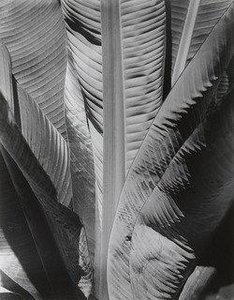
Imogen Cunningham’s “Money Plant” (1956) stands as a testament to Pictorialism's enduring fascination with the natural world and Group f/64’s commitment to uncompromising photographic realism. Captured in stark black and white, this deceptively simple image reveals layers of artistic consideration—a masterful distillation of botanical observation combined with innovative compositional techniques. Cunningham, recognizing the potential for abstraction within seemingly straightforward subjects, transformed a commonplace plant specimen into an architectural meditation on form and light.Botanical Precision Meets Artistic Vision
The photograph focuses intently on Lunaria seed pods – commonly known as Money Plants – presenting them in close-up detail. Cunningham’s meticulous eye captures the delicate stems and shimmering leaves of this species, skillfully arranging them to create a vertical composition that emphasizes length and visual balance. The resulting image isn't merely documentation; it’s an exercise in artistic control, prioritizing clarity and tonal range—characteristics championed by Group f/64. This stylistic choice underscores Cunningham’s dedication to capturing the essence of her subject matter with uncompromising accuracy.Light and Texture: Orchestrating Depth
The lighting plays a crucial role in elevating “Money Plant” beyond mere representation. Strong shadows cast across the seed pods generate depth and dimension, highlighting their convex and concave surfaces. These reflections mimic the shimmering quality of silver dollars—a deliberate reference to the plant’s evocative name—suggesting movement and injecting drama into what might otherwise appear static. Cunningham expertly manipulates light to sculpt texture, revealing the rough, weathered surface of the dried seedpods alongside the smoother contours of the branch itself. This textural contrast contributes significantly to the overall visual impact.Symbolism Beyond Form
Beyond its formal qualities, “Money Plant” carries symbolic resonance. The coin-like appearance of the seed pods invites contemplation on themes of abundance and cyclical renewal—mirroring the plant’s lifecycle from germination to flowering and seed dispersal. Cunningham's work speaks to a broader humanist impulse, prioritizing observation and conveying a quiet sense of wonder at the beauty inherent in the natural world. It embodies Group f/64’s belief that photography could serve as a conduit for profound artistic expression.Technical Mastery: Film Photography
The photograph itself is executed using film—a deliberate choice reflecting Cunningham's adherence to traditional photographic processes. The medium lends itself beautifully to capturing subtle tonal variations and preserving the delicate textures of the subject matter, resulting in an image imbued with warmth and luminosity. Utilizing a medium format camera ensured exceptional resolution and tonal range, allowing Cunningham to translate her artistic vision into a stunning visual record—a legacy that continues to inspire artists today.Questions & Answers
Toward which tone does "Money Plant" lean?
"Money Plant" leans toward an ochre to sepia tone.
Is "Money Plant" free of copyright?
"Money Plant" by Imogen Cunningham is still protected by copyright. This status governs how the image of the work may be reproduced.
What color leads the composition of "Money Plant" by Imogen Cunningham?
The color that stands out most in "Money Plant" is gray (#706c69). The dominant color is useful when matching an artwork to an interior.
Artist Biography
Early Life and Artistic Awakening
Imogen Cunningham, a pioneering force in American photography, was born on April 12, 1883, in Portland, Oregon, into a large family of ten children. Her early life, marked by a move to Seattle in 1889, fostered an independent spirit and a keen observational eye. Though formal art education wasn’t prioritized within her upbringing, Cunningham pursued lessons independently, demonstrating an innate artistic inclination from a young age. A pivotal moment arrived in 1901 when, at the age of eighteen, she acquired her first camera – a 4x5 inch view camera purchased through mail order. This acquisition sparked a lifelong passion and led to the creation of a darkroom within the family woodshed, a space where she began to explore the nascent art form that would define her career. Her academic pursuits at the University of Washington, culminating in a chemistry degree in 1907 with a thesis focused on photographic processes, reveal an early understanding of the scientific underpinnings of her chosen medium. This blend of artistic sensibility and technical knowledge would become a hallmark of her work. A profound encounter with the photographs of Gertrude Käsebier proved particularly influential, solidifying Cunningham’s resolve to pursue photography as more than just a hobby.From Pictorialism to Modernist Vision
Cunningham's initial foray into professional photography involved an apprenticeship with Edward S. Curtis in Seattle, where she honed her skills in portraiture and mastered the intricate platinum printing technique while contributing to his monumental project documenting Native American cultures. She subsequently established her own studio, initially embracing the prevailing Pictorialist aesthetic – a style characterized by soft focus, staged compositions, and an attempt to emulate painting. Her work during this period garnered critical acclaim, but Cunningham’s artistic trajectory was far from settled. A period of study in Dresden, Germany, under Professor Robert Luther in 1909 further refined her technical expertise, particularly in photographic chemistry. However, it was the subsequent decades that witnessed a dramatic shift in her approach. Marriage to Roi Partridge in 1915 and the raising of three children coincided with a relocation to San Francisco in 1920, marking a turning point in both her personal and artistic life. While continuing portrait work, Cunningham began to explore botanical photography, captivated by the intricate details of flowers and plants. This fascination evolved into an exploration of industrial landscapes, documenting factories and urban scenes with a growing emphasis on sharp focus and unmanipulated imagery. The defining moment arrived with her association with Group f/64 in the 1930s – alongside luminaries like Ansel Adams and Edward Weston – a collective dedicated to “straight photography,” prioritizing clarity, precision, and a rejection of Pictorialist manipulation.A Legacy of Diverse Subjects and Technical Mastery
Throughout her long and prolific career, Imogen Cunningham demonstrated an extraordinary versatility, seamlessly transitioning between diverse subjects while maintaining a consistent commitment to technical excellence. She revisited portraiture, famously photographing the hands of artists and musicians – capturing not just likenesses but also revealing character through gesture and form. Her work for *Vanity Fair* magazine allowed her to portray celebrities without artifice, presenting them in their natural state. However, it was perhaps her botanical studies that cemented her reputation as a master photographer. Images like “Rubber Plant 3” (1929) and “Money Plant” (1956) are iconic examples of her ability to transform ordinary subjects into extraordinary works of art, revealing the inherent beauty and complexity of the natural world through meticulous detail and dramatic lighting. Cunningham’s style was characterized by a masterful command of light and shadow, a keen eye for composition, and an unwavering dedication to sharpness and clarity. She didn't merely record what she saw; she interpreted it, imbuing her photographs with a sense of emotional resonance and intellectual depth.Historical Significance and Enduring Influence
Imogen Cunningham’s contributions to American photography are immense and far-reaching. A true innovator, she navigated the evolving landscape of the medium, embracing both the artistic aspirations of Pictorialism and the modernist principles of straight photography. Her work challenged conventional notions of beauty and expanded the boundaries of photographic expression. The establishment of the Imogen Cunningham Trust in 1975 underscored her commitment to preserving and promoting her legacy for future generations. Though she passed away in 1976, her influence continues to resonate with photographers today. She stands as a testament to the power of artistic vision, technical skill, and unwavering dedication – a pioneering figure who helped shape the development of photographic art and left an indelible mark on the history of visual culture. Her ability to find beauty in the mundane, to reveal the extraordinary within the ordinary, remains a source of inspiration for artists and viewers alike. Cunningham’s work is not simply about what she photographed; it's about how she saw the world.
Imogen Cunningham
1883 - 1976 , United States of America
Quick Facts
- Full Name: Imogen Cunningham
- Nationality: American
- Date Of Birth: 1883
- Date Of Death: 1976
- Place Of Birth: Portland, United States of America
- Notable Artworks:
- Self Portrait
- Money Plant
- Rubber Plant 3
- Artistic Movement Or Style: Pictorialism, Modernism
- Artists Who Influenced This Artist: ['Gertrude Käsebier']
- Artists Or Movements Influenced By This Artist: ['Group f/64']
Related Articles

White on Canvas: 10 Masterpieces & Timeless Elegance for Your Home Decor
Explore 10 iconic white paintings by Monet, Whistler & Rothko! Discover the stories behind these serene masterpieces and their impact on art history. Find museum-quality reproductions for your home decor at .

Monochrome Visions: Exploring the Aesthetic & Historical Significance of Black & White Photography
Explore the rich history & artistic power of black and white photography. From early techniques to iconic masters like Ansel Adams, discover why monochrome continues to captivate art lovers today. Expert insights for collectors.

Shadow & Soul: Why Black & White Photography Remains the Ultimate Power Move in Modern Art
Discover why black & white photography remains a powerful force in contemporary art. Explore the impact of light, shadow, and texture through a visual journey of monochrome mastery and learn how to elevate your space with timeless grayscale aesthetics.
Beyond Color: The Timeless Power and Artistry of Black and White Photography
Explore the profound artistry of black and white photography. From the chemistry of gelatin silver to the chiaroscuro of the Old Masters, discover how monochrome captures the eternal essence of light, form, and emotion for the discerning art collector.
Timeless Shadows: The Artistry, History, and Emotional Resonance of Black and White Photography
Explore the profound artistry of black and white photography. From historical mastery to the interplay of light and shadow, discover how monochrome captures timeless emotion and form through a sophisticated lens of art history.