- Home

- Print on canvas
- Heywood Hardy
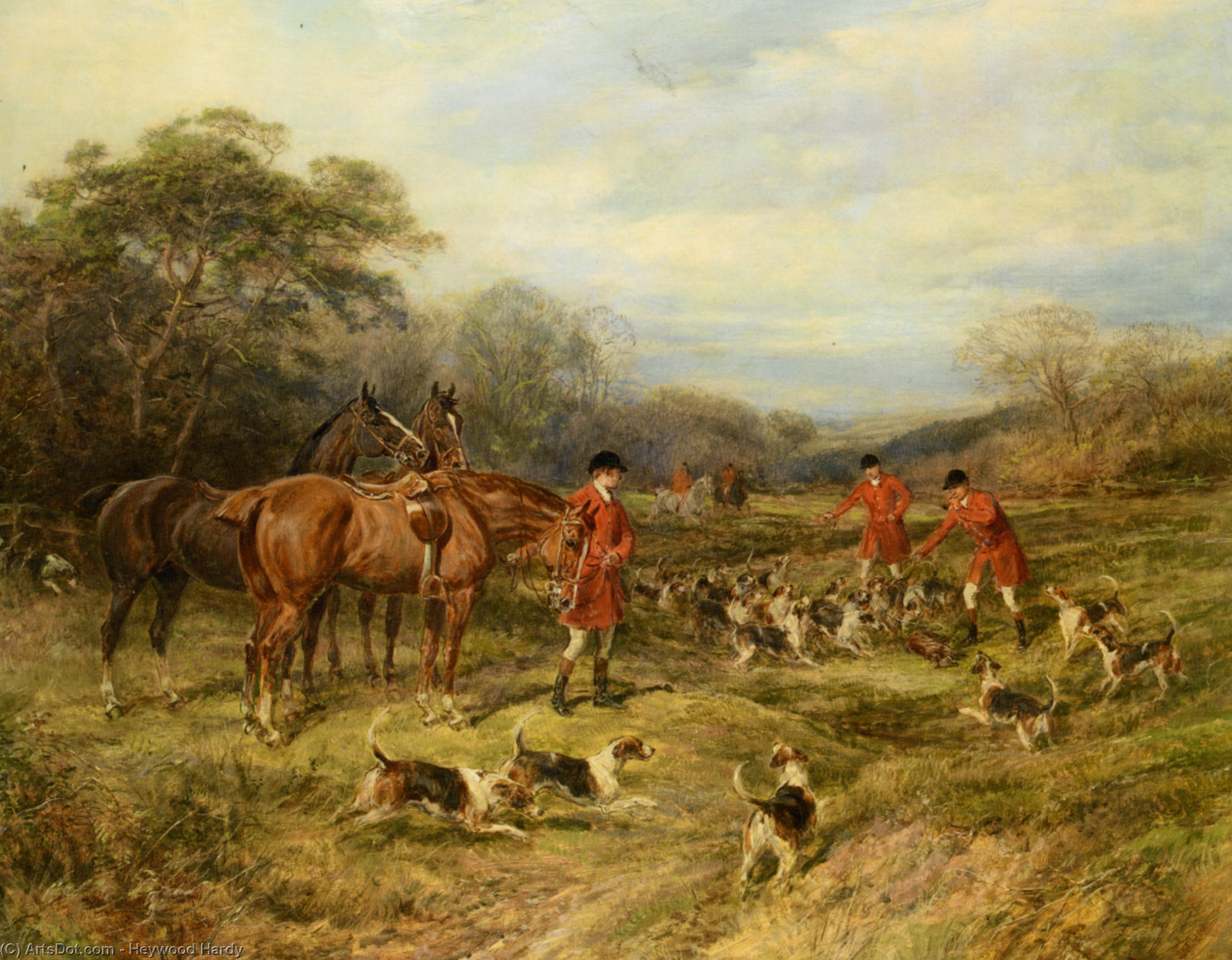
- The Kill
 Buy Painting
 Send
Send Share
Share
 Details

 Download
 Similars
 X-Ray
X-Ray Diaporama
The Kill
 Read More
Giclée / Art Print
Museum-quality giclée or canvas print with fast production and flexible finish options.




































Pick from our preset sizes that match the artwork's original proportions.

You may enter your own dimensions to fit a specific frame or space. If your selected size does not match the original image's proportions, we will either crop the artwork or extend the image with a mirrored or solid-fill edge. A digital mockup will be sent for your approval before production begins.
Please note that the on-screen preview does not reflect the actual cropping or extension. Only the mockup will accurately show the final composition.
While custom sizes are available, we recommend selecting a dimension from the predefined list to preserve the original proportions.
Worldwide Delivery () in 2 weeks instead of standard 4/5 weeks. (22 July)

Free Worldwide Express Shipping

High-Quality Linen Canvas

Full Shipping Insurance

Customs Tax Refund Guarantee

True Color Matching Guarantee

60-Day Return Policy (Defects Only)

100% Money-Back Guarantee

Bulk Discount Offer
 Glass option is only available in size under 110 CM

The Kill
Giclée / Art Print
Reproduction Size
-


Total Price
-
Artist Biography
Early Life and Family Background
- Born: November 25, 1842, in Chichester, Sussex, England
- Family: Son of James Hardy Senior (an artist and musician) and Elizabeth. Part of a large artistic family including brothers James Junior and David, sister Ada, cousins Frederick Daniel Hardy and George Hardy.
- Early Influences: Grew up in an environment steeped in art and music, with familial connections to prominent artists and musicians. His father's role as principal trumpet in the royal band likely fostered an appreciation for discipline and performance.
- Education & Early Departure: Studied at the École des Beaux-Arts in Paris under Isidore Pils after leaving home due to a disagreement with his father. This period marked a significant step in his artistic development, exposing him to continental art trends.
Artistic Development and Style
- Early Focus: Initially focused on landscapes before transitioning to animal painting, particularly horses and equestrian scenes.
- Key Subjects: Became renowned for paintings of horses, hunting scenes, equestrian portraits, and wildlife (lions, etc.).
- Technical Skill: Demonstrated a keen eye for anatomy and movement, evident in his realistic depictions of animals. His studies with Professor Alfred Henry Garrod on horse gait further enhanced this skill.
- Style Characteristics: Combined realism with elements of Romanticism, often depicting scenes of rural life and aristocratic leisure with a sense of drama and atmosphere.
- Evolving Themes: While initially known for animal portraits, his work broadened to include landscapes and altarpieces later in his career.
Major Achievements and Recognition
- Royal Academy Exhibitions: Regularly exhibited at the Royal Academy from 1864 onwards, gaining recognition within the British art establishment.
- Critical Acclaim: Received positive reviews for his animal paintings, notably a comment in *The Times* praising his depiction of fighting lions as "daring and determined."
- Equestrian Portraits: Became highly sought after to paint portraits of horses and their owners, including notable figures like Lady Ida Sitwell.
- Grand National Winners: Painted three winners of the Grand National steeplechase for their owners, solidifying his reputation within equestrian circles.
- Founding Member: A founder member of the Royal Society of Portrait Painters and the Royal Society of Painter-Etchers, demonstrating his standing in the art community.
Later Life and Legacy
- Return to Sussex: Returned to live in East Preston, Sussex in 1909, spending his final years painting religious works for local churches.
- Family of Artists: His daughters Nina and Mabel Hardy also became artists, continuing the family's artistic legacy. Mabel’s marriage to Charles Ormond Maugham further connected the family to literary circles.
- Death: Died in 1933 and was buried at Clymping Church.
- Historical Significance: Heywood Hardy is remembered as a significant British animal painter of the Victorian era, known for his skill in depicting horses and hunting scenes with realism and artistic flair. His work provides valuable insights into equestrian culture and aristocratic life during that period.
Additional Information
- Musical Talents: He was proficient in several musical instruments (zither, mandolin, English guitar) and often participated in musical evenings.
- Illustrations for Scientific Research: Collaborated with Professor Alfred Henry Garrod on illustrations related to horse anatomy and gait.
- Taxidermy Study: Acquired a lioness from the London Zoo and had it mounted by Rowland Ward to aid his studies of lions.

Heywood Hardy
1842 - 1933 , United Kingdom
Quick Facts
- Artistic Movement Or Style: Animal painting, equestrian art
- Artists Who Influenced This Artist: ['Isidore Pils']
- Date Of Birth: November 25, 1842
- Date Of Death: 1933
- Full Name: Heywood Hardy
- Nationality: British
- Notable Artworks:
- A Ride in the Park
- b pratt hardy
- Portrait of Captain F. W.
- A Chat with His Lordship
- Pleasant Company
- The Herdsmans Greeting
- the village postman
- Dandy, Nigel and Sapphire
- noonday taking a horse
- Off to the Market
- Place Of Birth: Chester, United Kingdom