

 Preview
 Send
Send Share
Share
 Details

 Download
 Similars
 X-Ray
X-Ray Diaporama
 Stats
StatsThe Carrier's Wagon
 Oil On Canvas
- WallArt
- Realism
 1845
1845- 19th Century
 39.0 x 60.0 cm
 Nottingham Castle Museum And Art Gallery
 Read More
Hand Made Oil Reproduction
Hand-painted oil on canvas in your size and frame, made to order by our artists. ( Switch to Print Switch to Digital Image)




P118B $10

P118H $10

P118W $10

P438Z $10

P508JH $12

P508YH $12

P805H $10

P805Z $10

P919BZ $10

P919G $10

P919XJ $10

P959ZH $10

P968JZ $12

W106C $8

W218G $10

W218JH $8

W218Y $10

W307PJ $10

W316G $10

W316PJ $8

W316Y $10

W398PJ $8

W4111J $10

W500HY $15

W500JH $15

W692G $12

W849H $8

W940BG $15

W953PJ $8




Pick from our preset sizes that match the artwork's original proportions.

You may enter your own dimensions to fit a specific frame or space. If your selected size does not match the original image's proportions, we will either crop the artwork or extend the painting with additional hand-painted elements. A digital mockup will be sent for your approval before production begins.
Please note that the on-screen preview does not reflect the actual cropping or extension. Only the mockup will accurately show the final composition.
While custom sizes are available, we recommend selecting a dimension from the predefined list to preserve the original proportions.
After order, OriginalUniqueArt.com team will email client for instructions and provide a mockup preview
Worldwide Delivery () in 3/4 weeks instead of standard 5 weeks. (13 September). No compromise on quality.

Free Worldwide Express Shipping

High-Quality Linen Canvas

Full Shipping Insurance

Customs Tax Refund Guarantee

True Color Matching Guarantee

100-Day Return Policy (Defects Only)

100% Money-Back Guarantee

Bulk Discount Offer
 Glass option is only available in size under 110 CM

The Carrier's Wagon
Reproduction Medium
Reproduction Size
-


Total Price
$ 300
A Window into the Pastoral Soul
In the quietude of 1845, Henry Thomas Dawson captured a moment of profound stillness that continues to resonate with the modern soul. The Carrier's Wagon is not merely a depiction of agricultural labor; it is an evocative window into the rhythmic, unhurried pulse of nineteenth-century rural life. As the viewer gazes upon this oil on canvas, they are immediately transported to a landscape where the boundaries between humanity and nature are beautifully blurred. The scene centers on a man positioned beside a wagon laden with hay, a symbol of the harvest's bounty and the seasonal cycles that governed existence long before the industrial roar. Through Dawson’s masterful hand, the mundane task of transport is elevated to a poetic meditation on stability and the enduring connection to the earth.
The composition breathes with a sense of lived-in reality, utilizing a soft, atmospheric perspective that draws the eye through layers of depth. Two horses, steady and patient, anchor the scene, while distant figures suggest a community woven into the very fabric of the landscape. The sky above, heavy with drifting clouds, provides a dramatic yet serene backdrop, casting a diffused light that softens the edges of the world. This interplay of light and shadow is where Dawson’s true genius lies; he does not merely paint objects, but rather the air that surrounds them, creating a sense of volume and atmosphere that makes the viewer feel as though they could step directly into the field.
The Artistry of Realism and Earthy Elegance
Technically, The Carrier's Wagon serves as a stunning testament to the Realist movement’s influence on British landscape painting. Dawson eschews the overly dramatic flourishes of Romanticism in favor of an honest, truthful depiction of his subject matter. His palette is a sophisticated arrangement of earthy tones—warm ochres, muted greens, and deep umber—which ground the painting in a palpable sense of reality. The brushwork, while precise enough to render the texture of the hay and the sturdy frame of the wagon, retains a soft, painterly quality that prevents the scene from feeling static or clinical.
For the discerning collector or interior designer, this piece offers a unique opportunity to introduce a sense of historical weight and tranquil sophistication into a contemporary space. The painting’s emotional impact lies in its ability to evoke nostalgia for a simpler era, providing a focal point that invites contemplation rather than distraction. Whether placed in a sunlit study or a grand hallway, a high-quality reproduction of this work brings with it the quiet dignity of the English countryside. It is an investment in atmosphere, offering a timeless aesthetic that complements both classical and modern decor, serving as a constant reminder of the beauty found in the humble, everyday moments of our shared history.
Artist Biography
The Atmospheric Vision of Henry Thomas Dawson
In the golden age of British landscape painting, few artists captured the ephemeral dance between light and water with as much soulful resonance as Henry Thomas Dawson. Born in Hull in 1844, Dawson emerged from a self-taught background to become a master of atmosphere, weaving together the rugged textures of the coastline with the soft, hazy light of the Victorian era. His life, though tragically brief, was defined by an unwavering devotion to the natural world, particularly the maritime environments that shaped his early surroundings in the United Kingdom. Through his brush, the sea was never merely a subject of geography, but a living, breathing entity capable of profound emotion.
The essence of Dawson’s artistry lies in his ability to translate the fleeting moments of weather and tide into permanent visual poetry. His work often serves as a bridge between the meticulous detail of traditional realism and the sweeping, emotive power of Romanticism. One can sense the lingering ghost of J.M.W. and Joseph Mallord William Turner within his compositions; where Turner sought the sublime chaos of nature, Dawson found beauty in its quietest transitions—the way a morning mist clings to a coastal cliff or how the sun breaks through a heavy London sky. His technique relied on a sophisticated understanding of light, using layered tones to create depth and a sense of moisture in the very air surrounding his subjects.
A Legacy of Maritime and Urban Landscapes
Dawson’s repertoire was remarkably diverse, spanning from the salt-sprayed edges of the British Isles to the bustling, soot-stained streets of London. His mastery of different environments allowed him to explore a wide spectrum of moods:
- Marine Scenes: These works stand as his most celebrated contributions, characterized by an intimate knowledge of wave movement and the reflective properties of seawater.
- Coastal Views: In these landscapes, Dawson captured the rugged permanence of cliffs and shores, often juxtaposing the stability of land against the restless motion of the ocean.
- London Cityscapes: His urban works offer a nostalgic window into 19th-century life, capturing the atmospheric haze and architectural grandeur of a city in transition.
The historical significance of Henry Thomas Dawson resides in his role as a chronicler of the British landscape during a period of immense industrial and social change. While much of the art world was turning toward more radical movements, Dawson remained anchored in the evocative power of the scenery itself. His ability to evoke nostalgia and a sense of place makes his work timeless, allowing modern viewers to reconnect with the romanticized landscapes of the Victorian era. Today, his paintings remain cherished by collectors who seek not just a depiction of nature, but an emotional encounter with the light and spirit of a bygone age.

henry thomas dawson
1844 - 1878 , United Kingdom
Quick Facts
- Artistic Movement Or Style: Marine & landscape art
- Artists Or Movements Influenced By This Artist: ['']
- Artists Who Influenced This Artist: ['Turner']
- Date Of Birth: 1844
- Date Of Death: 1878
- Full Name: Henry Thomas Dawson
- Nationality: British
- Notable Artworks:
- The Harbour, Evening
- London at Sunrise
- Place Of Birth: Hull, United Kingdom
Related Articles

Cultivating Visions: A Historical Journey Through Rural Landscapes in Art
Explore the rich history of rural landscape painting with OriginalUniqueArt. Discover Impressionist masterpieces, key artists & movements. Find your perfect serene artwork and bring nature's beauty home.
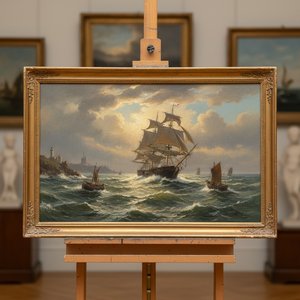
Henry Thomas Dawson: Navigating Light, Sea & Sentiment in Victorian Marine Painting
Explore the captivating world of Henry Thomas Dawson (1811-1878), a master of Victorian marine painting. Discover his evocative coastal scenes, landscapes & lasting artistic legacy. Learn about collecting Dawson's work and find reproductions at OriginalUniqueArt.
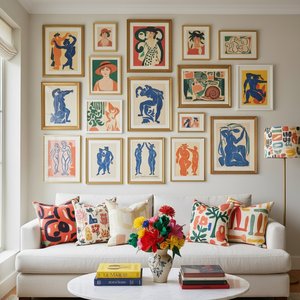
Henri Matisse's Masterpieces: Explore 25 Iconic Paintings & Art Decor Ideas
Journey through Henri Matisse's 25 most iconic paintings! Explore Fauvism, vibrant colors & the stories behind masterpieces like 'The Dance'. Find museum-quality art reproductions and curated decor ideas to elevate your space. Discover all masterpieces on OriginalUniqueArt.com.
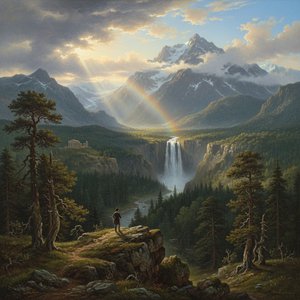
Evoking Nature's Sublime: A Comprehensive Exploration of 19th-Century Landscape Painting
Explore the captivating world of 19th-century landscape painting! Discover renowned artists like Friedrich & Monet, key movements, and find the perfect artwork to bring nature's serenity into your home. Expert insights at OriginalUniqueArt.

John Constable's Masterpieces: Explore 25 Iconic Landscapes for Your Home
Journey through John Constable's 25 most celebrated landscapes. Explore Romanticism, Dedham Vale & his masterful use of light in iconic paintings like 'Hay Wain'. Find museum-quality art reproductions and elevate your home decor on OriginalUniqueArt.com.


