

 Send
Send Share
Share
 Details

 Download
 Similars
 Diaporama
Ink set


 Read More
Giclée / Art Print
Museum-quality giclée or canvas print with fast production and flexible finish options. ( Buy Hand Made Painting Buy Image)




































Pick from our preset sizes that match the artwork's original proportions.

You may enter your own dimensions to fit a specific frame or space. If your selected size does not match the original image's proportions, we will either crop the artwork or extend the image with a mirrored or solid-fill edge. A digital mockup will be sent for your approval before production begins.
Please note that the on-screen preview does not reflect the actual cropping or extension. Only the mockup will accurately show the final composition.
While custom sizes are available, we recommend selecting a dimension from the predefined list to preserve the original proportions.
Worldwide Delivery () in 2 weeks instead of standard 4/5 weeks. (30 August)

Free Worldwide Express Shipping

High-Quality Linen Canvas

Full Shipping Insurance

Customs Tax Refund Guarantee

True Color Matching Guarantee

60-Day Return Policy (Defects Only)

100% Money-Back Guarantee

Bulk Discount Offer
 Glass option is only available in size under 110 CM

Ink set
Giclée / Art Print
Reproduction Size
-


Total Price
$ 81
A Symphony in Gold and Blue: Unveiling Henrik Immanuel Wigström’s Ink Set
The world of Fabergé is often associated with extravagant jewels and dazzling imperial commissions, yet within that opulent realm resided a quiet master of understated elegance – Henrik Immanuel Wigström. This exquisite ink set, a testament to his meticulous craftsmanship and profound understanding of historical styles, offers a glimpse into the refined artistry that defined the era. More than just a functional object, it’s a miniature masterpiece, radiating an aura of sophisticated luxury and timeless beauty.
At first glance, the piece presents a striking geometric composition. A rectangular tray, meticulously crafted from gold and adorned with a bold interplay of blue and gold stripes – a signature element of Art Deco – anchors the design. Its ornate gilded edges speak to a deliberate embrace of classical detailing, subtly referencing Louis XVI furniture while simultaneously embodying the streamlined aesthetic of the early 20th century. The square inkwell, mirroring the tray’s striped pattern, adds another layer of visual interest and balance. Completing the ensemble is a fountain pen, its barrel echoing the geometric motif, ensuring that every element works in harmonious unison.
The Hand of the Master: Technique and Materials
Wigström's skill as a goldsmith was legendary, and this ink set serves as a stunning example of his mastery. The intricate detailing achieved through enamel work is particularly noteworthy. The vibrant blue, meticulously applied and fired to create a lustrous surface, contrasts beautifully with the gleaming gold, showcasing a level of precision rarely matched. The use of gold plating, combined with the delicate application of enamel, creates a tactile richness that invites touch – a testament to the value placed on quality and craftsmanship during this period.
Beyond the visible techniques, lies a deep understanding of materials. The choice of gold speaks to wealth and status, while the enamel itself represents artistry and refinement. The smooth, reflective surfaces suggest an almost ethereal quality, as if capturing and reflecting light in a subtle dance. It’s clear that Wigström didn't simply assemble components; he orchestrated them into a cohesive whole, demonstrating a profound respect for both form and function.
A Legacy of Style: Historical Context and Symbolism
Henrik Immanuel Wigström’s work is inextricably linked to the legacy of Fabergé. Following the untimely death of Michael Perchin in 1903, Wigström stepped into a crucial role, continuing to produce exquisite pieces for the Imperial Court. His style was characterized by a deep appreciation for classical forms – Louis XVI, Empire, and neoclassical – blended with the emerging geometric sensibilities of Art Deco. This fusion created a uniquely elegant aesthetic that resonated with the tastes of the Russian aristocracy.
The repeating striped pattern itself carries symbolic weight. Geometric patterns were frequently employed in Art Deco design to convey modernity, order, and dynamism. The blue and gold combination – often associated with royalty and wealth – further reinforces the set’s luxurious character. More broadly, the ink set represents a celebration of artistry, correspondence, and the enduring power of written communication—a connection to history and tradition.
A Timeless Treasure: Emotional Impact and Artistic Value
This ink set is more than just an object; it’s a portal into a bygone era. Its meticulous craftsmanship, refined aesthetic, and historical significance evoke a sense of nostalgia for a time when artistry was valued above all else. The piece possesses a quiet elegance that transcends trends, making it a timeless treasure for collectors and interior designers alike.
Its geometric design lends itself beautifully to contemporary spaces, offering a touch of understated luxury and sophisticated charm. Whether displayed on a desk or showcased in a curated collection, this ink set by Henrik Immanuel Wigström is sure to captivate the eye and inspire admiration for the enduring legacy of Russian goldsmithing.
Artist Biography
The Silent Maestro of Fabergé Elegance
Henrik Immanuel Wigström stands as a pivotal figure in the history of Russian goldsmithing and, crucially, the opulent world of Fabergé. Born in Ekenäs, Finland, in 1862, Wigström’s artistic journey began amidst the burgeoning Art Nouveau movement but swiftly cemented itself within the exacting standards of the Imperial Court, shaping the aesthetic landscape of his era. While often overshadowed by his more flamboyant colleague Michael Perchin, Wigström possessed an unparalleled dedication to craftsmanship and a profound understanding of Louis XVI, Empire, and neoclassical styles—qualities that ensured he became Fabergé’s most prolific workmaster after Perchin's untimely demise in 1903.
His formative years were defined by rigorous discipline and a deep-seated fascination for the decorative arts. Wigström received his early artistic education at the Helsingfors Konstakademi (Finnish Art Academy), where he honed his skills in silver and goldsmithing. This grounding in traditional techniques would prove invaluable as he navigated the complexities of the Fabergé workshop, allowing him to master the delicate balance between structural integrity and ornamental splendor.
A Legacy of Imperial Splendor
When Wigström joined the Fabergé atelier in 1903, he inherited a monumental responsibility: maintaining the prestige of the House of Fabergé following the loss of Perchin. He did not merely maintain this standard; he elevated it. Under his leadership, the workshop produced an astonishing array of decorative objects that embodied the grandeur of Imperial Russia. His work is characterized by a refined neoclassical aesthetic, leaning into the elegance of the Louis XVI and Empire styles to create pieces that felt both timeless and profoundly luxurious.
Wigström's artistic output was remarkably diverse, ranging from functional objects of high utility to purely ornamental treasures. His mastery is evident in several key areas:
- Exquisite Timepieces: He was renowned for creating magnificent table clocks, such as the Moon’s Face Table Clock and the breathtaking Table Clock in the Shape of a Carriage, which showcased his ability to blend mechanical precision with artistic storytelling.
- Decorative Objects: His repertoire included stunning lorgnettes, intricate ink sets, and delicate silverwork that served as the pinnacle of high-society luxury.
- Hardstone Artistry: He excelled in crafting hardstone animals, figures, and flowers with remarkable precision, utilizing his deep knowledge of mineral textures to breathe life into inanimate stone.
Technique and Historical Significance
The true genius of Wigström lay in his technical perfectionism. His work is defined by flawless enamelwork, intricate guilloche engraving, and the masterful manipulation of precious metals. Every piece he touched reflected a meticulous attention to detail that satisfied even the most discerning members of the Romanov dynasty. By blending the delicate textures of fine enamel with the structural strength of gold and silver, he created objects that were as much feats of engineering as they were works of art.
As the era of Imperial Russia drew to a close, Wigström’s contributions remained a testament to a vanished world of unparalleled opulence. His ability to interpret historical styles through a modern, refined lens ensured that his work would remain iconic long after the workshops of St. Petersburg fell silent. Today, his legacy lives on through the rare and precious artifacts that continue to captivate collectors, serving as enduring symbols of the height of Fabergé's artistic achievement.
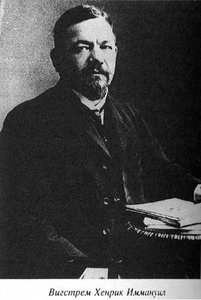
henrik immanuel wigström
1862 - 1923 , Finland
Quick Facts
- Artistic Movement Or Style: Louis XVI, Empire, Neoclassical
- Artists Who Influenced This Artist: ['Michael Evlampievich Perchin']
- Date Of Birth: October 2, 1862
- Date Of Death: March 14, 1923
- Full Name: Henrik Immanuel Wigström
- Nationality: Finnish
- Notable Artworks:
- Miniature Perfume Bottle
- Ink set
- Moon’s Face Table Clock
- Place Of Birth: Ekenäs, Finland
Related Articles

Golden Glow: How to Use Metallic Gold Artworks to Elevate Your Home Decor with Timeless Luxury
Discover how to elevate your home with the timeless elegance of metallic gold artworks. From sculptural metal pieces to gilded oil paintings, learn expert interior design tips for integrating luxurious gold accents into your space with sophistication and grace.

Gold Leaf & Gilding: The Sacred Art of Byzantine and Renaissance Masterpieces
Explore the profound history of gold leaf and gilding in Byzantine and Renaissance art. Discover how this sacred technique transformed religious iconography into celestial phenomena through light, symbolism, and unparalleled craftsmanship.
The Alchemy of Ink: Mastering the Timeless Beauty and Art History of Paper and Brush
Embark on a sophisticated exploration of ink wash painting and Sumi-e. Uncover the profound historical lineages, Zen philosophies, and technical mastery behind this timeless medium in our authoritative guide for fine art enthusiasts.
The Sacred Glow: Mastering Gold Leaf and Gilding in Byzantine Art
Explore the divine mastery of Byzantine gold leaf and gilding. Discover how ancient artisans used gold ground and mosaics to create celestial light, a timeless legacy of spiritual splendor and technical excellence in sacred art history.

Gilded Glory: The High-Impact Art of Gold Leaf and Byzantine Masterpieces
Explore the celestial brilliance of Byzantine masterpieces. Discover the sacred alchemy of gold leaf, the spiritual depth of Orthodox icons, and how this high-impact gilded glory continues to inspire awe in fine art history and modern luxury interiors.



