- Home

- Oil Painting Reproduction
- gunning king
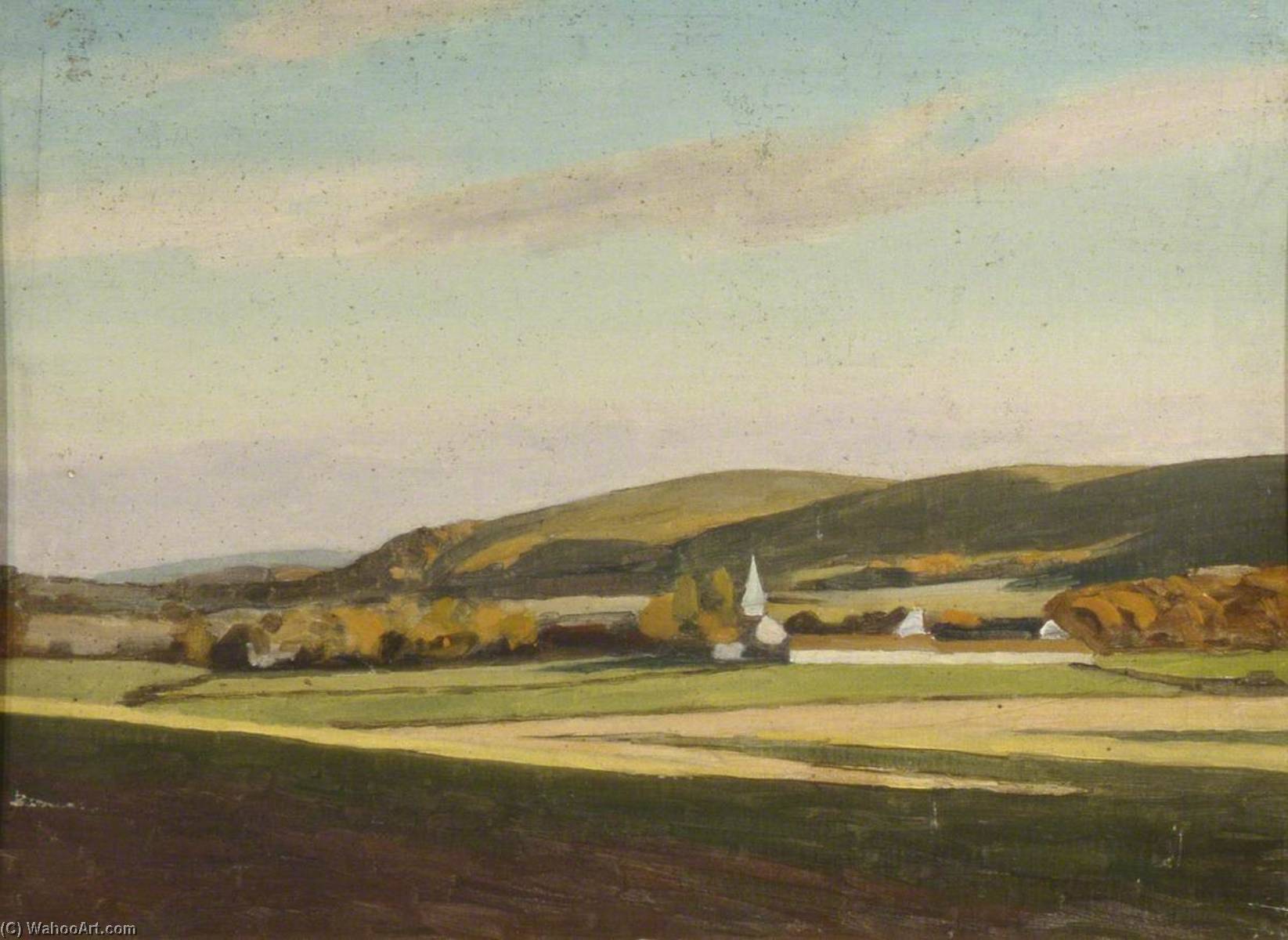
- Landscape
 Buy print
 Send
Send Share
Share
 Details

 Download
 Similars
 X-Ray
X-Ray Diaporama
Landscape
 36.0 x 46.0 cm
 Read More
Hand Made Oil Reproduction
Hand-painted oil on canvas in your size and frame, made to order by our artists.




































Pick from our preset sizes that match the artwork's original proportions.

You may enter your own dimensions to fit a specific frame or space. If your selected size does not match the original image's proportions, we will either crop the artwork or extend the painting with additional hand-painted elements. A digital mockup will be sent for your approval before production begins.
Please note that the on-screen preview does not reflect the actual cropping or extension. Only the mockup will accurately show the final composition.
While custom sizes are available, we recommend selecting a dimension from the predefined list to preserve the original proportions.
After order, OriginalUniqueArt.com team will email client for instructions and provide a mockup preview
Worldwide Delivery () in 3/4 weeks instead of standard 5 weeks. (21 July). No compromise on quality.

Free Worldwide Express Shipping

High-Quality Linen Canvas

Full Shipping Insurance

Customs Tax Refund Guarantee

True Color Matching Guarantee

60-Day Return Policy (Defects Only)

100% Money-Back Guarantee

Bulk Discount Offer
 Glass option is only available in size under 110 CM

Landscape
Reproduction Medium
Reproduction Size
-


Total Price
-
Artist Biography
Gunning King: A Quiet Master of Rural English Landscapes
Gunning King (1859 – 1940) was a British landscape painter whose distinctive style—characterized by muted tones, loose brushstrokes, and an unwavering focus on capturing the subtle beauty of rural England—earned him recognition as one of the foremost exponents of Impressionism in Britain. Born in Kimmeridge Bay, Dorset, King’s artistic journey began modestly but blossomed into a prolific career spanning over six decades, leaving behind a legacy of evocative paintings that continue to resonate with viewers today.Early Life and Artistic Training
Little is known about King's formative years beyond his birthplace and family background. He received his initial artistic training at the Slade School of Fine Art in London, where he studied under Frederic Leighton, a prominent figure in the Pre-Raphaelite Brotherhood—a movement that championed idealized beauty and meticulous detail—influencing King’s early aesthetic sensibilities. However, unlike many of his contemporaries who adhered to strict academic conventions, King swiftly embraced Impressionistic principles, prioritizing capturing fleeting moments of light and atmosphere over precise representation. This decisive choice would define his artistic vision for the remainder of his life.The Impressionist Style: Atmosphere and Light
King’s distinctive style emerged from a profound engagement with the Impressionist movement spearheaded by Claude Monet and Pierre-Auguste Renoir. Rejecting the polished surfaces and dramatic contrasts favored by academic painters, King opted for loose brushstrokes—often applied in rapid succession—to convey the ephemeral qualities of natural light and color. He meticulously observed the changing conditions of his subjects—particularly the Dorset coastline and Sussex countryside—translating these observations onto canvas with remarkable sensitivity. His palette consisted predominantly of muted greens, blues, and browns, creating landscapes imbued with a palpable sense of tranquility and serenity. The artist’s technique involved layering thin glazes of pigment to build up tonal depth and luminosity, achieving an effect that closely resembled the hazy atmosphere characteristic of Impressionist paintings.Notable Works and Recognition
King's artistic output encompassed over 300 paintings—primarily landscapes—that depict scenes from Dorset and Sussex with exceptional accuracy and emotional resonance. Among his most celebrated works are “Harting, Sussex” (1934), a masterful depiction of a picturesque village nestled amidst rolling hills; "Kimmeridge, Dorset" (1936), capturing the dramatic interplay of light and shadow on the rugged coastline; and numerous smaller canvases portraying idyllic pastoral vistas. His paintings were exhibited regularly at the Royal Academy in London and garnered considerable acclaim from critics and collectors alike. King’s unwavering dedication to his craft—coupled with his ability to distill the essence of English countryside into powerfully expressive images—secured him a place among Britain's most respected landscape artists.Legacy and Influence
Gunning King’s contribution to British Impressionism extends beyond his individual oeuvre; he served as an influential teacher at Dulwich College Art School, nurturing generations of aspiring painters who embraced his stylistic approach. His emphasis on observation, tonal subtlety, and atmospheric rendering continues to inspire artists today. More than simply documenting the visual world, King's paintings convey a deep appreciation for the beauty of nature—a sentiment that aligns perfectly with the broader humanist values championed by the Impressionist movement. He remains remembered as a quiet genius whose enduring landscapes embody the spirit of a bygone era—a testament to the transformative power of artistic vision and unwavering commitment to craft.
gunning king
1859 - 1940
Quick Facts
- Artistic Movement Or Style: Impressionism
- Artists Or Movements Influenced By This Artist: ['Arts and Crafts Movement']
- Artists Who Influenced This Artist:
- James Abbott McNeill Whistler
- William Morris
- Date Of Birth: 1859
- Date Of Death: 1940
- Full Name: Gunning King
- Nationality: British
- Notable Artworks:
- Kimmeridge, Dorset
- Harting, Sussex
- Place Of Birth: England