Switch to Print
 Read More







































 For artworks or reproductions larger than 105 cm (approximately 41 inches) on any side, the frame will be shipped as a kit, disassembled. This method ensures safe delivery and prevents damage during transport.


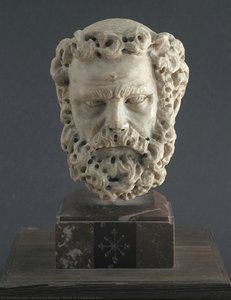
A Moment Frozen in Time: Giovanni Pisano’s “Last Judgment” Detail
Giovanni Pisano's sculpture, a breathtaking fragment of the "Last Judgment" scene adorning Pisa Cathedral, stands as a testament to the confluence of artistic influences that defined the early XIII century. Completed around 1310, this monumental marble masterpiece isn’t merely an impressive feat of craftsmanship; it’s a profound meditation on faith and mortality, rendered with unparalleled sensitivity to both form and emotion.
- Subject Matter: The sculpture depicts the pivotal moment of divine judgment – Christ presiding over the ascension of saints and demons pulling souls into hell. This iconic biblical narrative has resonated across centuries, embodying universal themes of salvation and damnation.
- Style & Technique: Pisano’s work represents a decisive break from preceding Gothic traditions, embracing elements of Roman sculpture—particularly the colossal statues of emperors—to create a powerfully expressive image. The sculptor skillfully employs drapery folds to convey movement and texture, capturing the dynamism inherent in this apocalyptic vision.
- Material & Medium: Crafted from Carrara marble, the sculpture showcases exceptional carving precision, demonstrating Pisano’s mastery of stone sculpting techniques. The polished surface reflects light subtly, enhancing the sculptural form and contributing to its dramatic impact.
The central figure—a man consumed by anguish—immediately commands attention. His contorted posture and anguished expression are not simply representations of physical suffering; they embody the spiritual torment experienced by those facing divine retribution. This portrayal aligns perfectly with Pisano’s broader artistic vision, which sought to elevate sculpture beyond mere decoration into a vehicle for conveying profound psychological depth.
Historical Context: Pisa Cathedral was conceived as a symbol of civic pride and papal authority during the reign of Emperor Frederick II. Pisano's contribution to this ambitious project reflects the prevailing artistic fervor of the era, where sculptors aimed to inspire awe and reverence in viewers. The sculpture’s placement atop the cathedral parapet underscores its importance as a focal point for liturgical worship.- Symbolism: The sculpture's composition is laden with symbolic significance. Angels trumpet divine judgment, while demons drag souls into hell—visual representations of the eternal struggle between good and evil that forms the bedrock of Christian theology.
- Emotional Impact: Viewing this detail evokes a visceral response – a confrontation with the inevitability of death and the promise of redemption. Pisano’s ability to capture such intense emotion speaks volumes about his artistic genius and his understanding of human psychology.
Giovanni Pisano's “Last Judgment” detail transcends mere visual beauty; it is an enduring emblem of artistic innovation and spiritual contemplation—a piece that continues to captivate audiences today.
Questions & Answers
Which room is "Last Judgment (detail)" by Giovanni Pisano recommended for?
"Last Judgment (detail)" by Giovanni Pisano is recommended for a living room. This suggestion is based on the work's subject, colors and mood.
Is "Last Judgment (detail)" available as a fine art print?
"Last Judgment (detail)" is available as a fine art print on cotton canvas or archival canvas paper. Orders are placed on its Fine Art Print page, in the size of your choice.
How do contrast and harmony combine in "Last Judgment (detail)"?
In "Last Judgment (detail)", a statement contrast is paired with a strong color unity harmony.
More about this painting
 Preview
 Send
Send Share
Share
 Details
 Guide
Guide

 Download
 Similars
 X-Ray
X-Ray Diaporama
 Q&A
Q&A Stats
Stats