Preview
 Send
Send Share
Share
 Details
 Guide
Guide

 Download
 Similars
 X-Ray
X-Ray Diaporama
 Stats
StatsMiniatures


 Read More
Giclée / Art Print
Museum-quality giclée or canvas print with fast production and flexible finish options. ( Buy Hand Made Painting Switch to Digital Image)




P118B $10

P118H $10

P118W $10

P438Z $10

P508JH $12

P508YH $12

P805H $10

P805Z $10

P919BZ $10

P919G $10

P919XJ $10

P959ZH $10

P968JZ $12

W106C $8

W218G $10

W218JH $8

W218Y $10

W307PJ $10

W316G $10

W316PJ $8

W316Y $10

W398PJ $8

W4111J $10

W500HY $15

W500JH $15

W692G $12

W849H $8

W940BG $15

W953PJ $8




Pick from our preset sizes that match the artwork's original proportions.

Type the width and the height you need, to fit your frame or your wall. A print can only be cut, never made bigger than the picture, so a size with a different shape loses a part of the image. We send you a digital mockup to approve before we print anything. The picture shown on this page does not show the real cut — only the mockup does.
Worldwide Delivery () in 2 weeks instead of standard 4/5 weeks. (26 October)

Free Worldwide Express Shipping

High-Quality Linen Canvas

Full Shipping Insurance

Customs Tax Refund Guarantee

True Color Matching Guarantee

100-Day Return Policy (Defects Only)

100% Money-Back Guarantee

Bulk Discount Offer
 Glass option is only available in size under 110 CM

Miniatures
Giclée / Art Print
Reproduction Size
-


Total Price
$ 81
Miniatures: A Window into Medieval Narrative
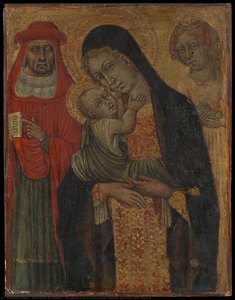
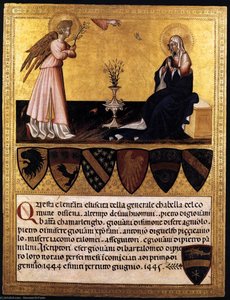
Giovanni di Paolo’s “Miniatures” represent more than just exquisitely rendered depictions of biblical scenes; they embody the spirit of Siena during its golden age—a moment where artistic innovation wrestled with established traditions, resulting in a visual language that is both profoundly beautiful and subtly unsettling. These panels, primarily altarpieces commissioned for Dominican churches, offer a glimpse into the worldview of fifteenth-century piety and demonstrate Giovanni’s masterful command of color and composition.- Subject Matter & Narrative Complexity: The artwork centers around narratives drawn from Christian scripture—primarily Saint Catherine of Siena, Saint Clare of Assisi, and scenes depicting the life of Saint John the Baptist—reflecting the pervasive influence of religious devotion on Sienese society. Each panel unfolds a story replete with symbolic gestures and figures, mirroring the broader artistic conventions of the Gothic period while subtly incorporating elements indicative of emerging Renaissance aesthetics.
- Style & Technique: Giovanni di Paolo’s distinctive style is characterized by a deliberate coolness—a departure from warmer hues favored in earlier Sienese art. The artist employs meticulous detail, painstakingly layering pigments to achieve luminous effects and capturing the textures of drapery and landscape with remarkable precision. This technique aligns closely with that practiced by his predecessors but distinguishes him through an expressive use of color palettes that prioritize muted tones—particularly reds, blues, greens, and yellows—creating a visual atmosphere that is both serene and imbued with solemn grandeur.
Historical Context & Artistic Influences
The Siena of Giovanni di Paolo’s time was experiencing significant cultural shifts. The Dominican Order played a pivotal role in fostering artistic patronage, propelling artists like Giovanni to produce monumental works intended to inspire piety and convey theological truths. However, Giovanni wasn't solely bound by Sienese precedents; he absorbed influences from Northern European masters—particularly Gentile da Fabriano—whose International Gothic style championed elegance and refined ornamentation. This fusion of traditions is evident in the landscapes depicted within the panels—characterized by stylized trees and buildings—which echo stylistic choices found in contemporaneous artworks across Europe.- Symbolism & Iconography: Recurring motifs—such as birds encircling Saint Francis’s head—underscore Giovanni’s understanding of Christian symbolism. These images convey concepts of humility, contemplation, and communion with God—values central to medieval spirituality. Furthermore, the depiction of saints engaged in prayer and miraculous events serves as a reminder of divine grace and underscores the transformative power of faith.
- Emotional Impact: Despite its formal restraint, Giovanni’s “Miniatures” possess an undeniable emotional resonance. The artist skillfully captures expressions of piety, sorrow, and reverence—drawing viewers into the narratives depicted and prompting reflection on fundamental questions concerning morality and salvation. The overall effect is one of profound solemnity—a testament to Giovanni di Paolo's ability to communicate complex theological ideas through visual artistry.
Legacy & Rediscovery
Following Giovanni’s death in 1482, his reputation waned considerably. However, a resurgence of interest in Renaissance art during the twentieth century revitalized appreciation for his oeuvre—particularly after scholars recognized the stylistic sophistication and innovative techniques employed by this Sienese master. Today, reproductions of “Miniatures” continue to captivate audiences worldwide—serving as reminders of Siena’s artistic heritage and demonstrating the enduring power of medieval narrative rendered with breathtaking beauty and meticulous detail.Questions & Answers
What is the format of "Miniatures"?
"Miniatures" by Giovanni di Paolo is a landscape composition. The proportions are worth checking before choosing a print size.
How can I get a digital file of "Miniatures" by Giovanni di Paolo?
To get a digital file of "Miniatures" by Giovanni di Paolo, order a high-resolution digital image download on its Digital Image page.
What saturation and intensity does "Miniatures" by Giovanni di Paolo show?
"Miniatures" by Giovanni di Paolo is recorded with a muted saturation and a monochromatic intensity.
Artist Biography
A Sienese Painter of Dreams
Giovanni di Paolo, born in Siena around 1403, stands as a fascinating and somewhat enigmatic figure within the landscape of early Renaissance Italian art. While overshadowed by contemporaries like Masaccio and Donatello who championed a new naturalism, Giovanni carved his own unique path, preserving the lyrical intensity of Gothic traditions while subtly absorbing emerging Renaissance sensibilities. His life, though documented in fragments, reveals an artist deeply rooted in the Sienese artistic community, initially serving as a manuscript illuminator for the Dominican Order from approximately 1417. This early training honed his meticulous attention to detail and refined color application—skills that would become hallmarks of his distinctive style. It’s believed he may have received formative instruction from established Sienese masters such as Taddeo di Bartolo or Martino di Bartolomeo, though the precise nature of these apprenticeships remains open to scholarly debate.The Embrace of Gothic Tradition and Emerging Influences
Giovanni di Paolo’s artistic development unfolded against a backdrop of shifting aesthetic currents. Siena, while once a leading artistic center, was gradually yielding ground to Florence's burgeoning Renaissance innovations. Yet, Giovanni remained steadfastly connected to the city’s rich Gothic heritage. His early works clearly demonstrate this allegiance—elongated figures, decorative patterns, and a preference for brilliant, sometimes jarring color combinations all echo the stylistic conventions of his predecessors. However, around 1420, a pivotal moment arrived with the visit of Gentile da Fabriano to Siena. This encounter profoundly impacted Giovanni’s artistic vision. He eagerly adopted elements of Gentile's style, particularly the incorporation of naturalistic details—delicate flowering plants and meticulously rendered landscapes—within religious scenes. This marked a departure from the more austere depictions favored by earlier Sienese painters, infusing his work with a newfound sense of observation and detail. But Giovanni didn’t simply imitate; he synthesized these influences into something uniquely his own, creating compositions that often possess an ethereal, dreamlike quality—a characteristic that sets him apart.Masterpieces of Surreal Vision
Giovanni di Paolo's oeuvre is remarkably diverse, encompassing altarpieces, panel paintings, and exquisitely illuminated manuscripts. His most celebrated works demonstrate a remarkable ability to transform traditional religious narratives into captivating visual experiences. The Miracle of St. Nicholas of Tolentino, painted around 1455, stands as a prime example of his surreal style. The painting depicts a fantastical landscape populated by elongated figures and imbued with an otherworldly atmosphere. It’s not merely a depiction of a miracle; it's an evocation of spiritual ecstasy and divine intervention. Equally compelling is the dispersed series depicting scenes from the life of Saint Catherine of Siena, now scattered across various museums. These panels showcase his mastery of narrative painting and expressive characterization, capturing the saint’s piety, intellectual strength, and mystical experiences with remarkable sensitivity. Beyond these iconic works, Giovanni's illuminated manuscripts—particularly those illustrating Dante’s Divine Comedy—reveal a virtuoso command of detail and vibrant color, demonstrating his versatility as an artist across different mediums. His *Christ in the Garden of Gethsemane* (c. 1430) is another compelling example of his dramatic narrative skill and rich palette.A Legacy Rediscovered
Following Giovanni di Paolo’s death in Siena in 1482, his reputation gradually faded into relative obscurity. For centuries, he was largely overlooked by art historians, overshadowed by the more celebrated figures of the Renaissance. However, during the 20th century, a renewed appreciation for his unique artistic vision began to emerge. Scholars recognized him as a pivotal figure in the Sienese School, bridging the gap between late Gothic art and the early Renaissance. His willingness to experiment with form and color, coupled with his distinctive dreamlike aesthetic, set him apart from his contemporaries. He is now acknowledged not merely as a follower of tradition but as an innovator who anticipated certain aspects of Mannerism and even foreshadowed the expressive tendencies of 20th-century art. Giovanni di Paolo’s legacy lies in his ability to create works that are both deeply rooted in medieval spirituality and remarkably forward-looking in their artistic sensibility—a testament to the enduring power of a truly original vision.
Giovanni di Paolo
1403 - 1482 , Italy
Quick Facts
- Full Name: Giovanni di Paolo di Grazia
- Nationality: Italian
- Date Of Birth: 1403
- Date Of Death: 1482
- Place Of Birth: Siena, Italy
- Notable Artworks:
- Miracle of St. Nicholas
- St. Catherine Series
- Christ in the Garden
- Nativity
- Crucifixion
- Artistic Movement Or Style: Gothic & Renaissance
- Artists Who Influenced This Artist:
- Taddeo di Bartolo
- Martino di Bartolomeo
- Gentile da Fabriano
- Artists Or Movements Influenced By This Artist:
- Mannerism
- Expressionism
Related Articles
Giotto's Masterpieces: 25 Renaissance Artworks for Your Home | OriginalUniqueArt
Explore 25 breathtaking artworks by Giotto di Bondone, a Renaissance master. Discover the stories behind iconic frescoes & paintings like the Scrovegni Chapel cycle. Find museum-quality Giotto reproductions and elevate your home decor with OriginalUniqueArt.com.

Giovanni Giacometti: Sculpting Existentialism – A Study of Form, Space, and the Human Condition
Explore the profound artistic journey of Giovanni Giacometti, father to Alberto. Discover his unique transition from Surrealism to Existentialist sculpture and painting – a compelling study for elite collectors and art enthusiasts.

Giovanni Paolo Panini: Capturing Roman Grandeur – A Vedute Master's Legacy
Explore the captivating world of Giovanni Paolo Panini, master of Roman vedute painting. Discover his technique, iconic works, influence on art history & collecting advice from experts at OriginalUniqueArt.
La Biennale's Masterpieces: 25 Artworks to Inspire Your Home | OriginalUniqueArt
Explore 25 iconic artworks from La Biennale di Venezia! Discover the stories behind masterpieces of Italian art, modernism & Renaissance paintings. Find museum-quality reproductions and elevate your home decor with OriginalUniqueArt.com. Explore the full collection online.
Whispers of History: Capturing the Timeless Beauty of Illuminated Manuscripts in Art
Embark on a journey through time with our deep dive into the exquisite beauty of illuminated manuscripts. Discover the sacred artistry, precious materials, and enduring legacy of medieval illumination in this cultural exploration for history lovers.