Send
Send Share
Share
 Details
 Guide
Guide

 Download
 Similars
 Diaporama
 Stats
StatsAstronomy


 Read More
Giclée / Art Print
Museum-quality giclée or canvas print with fast production and flexible finish options. ( Buy Hand Made Painting Switch to Digital Image)




































Pick from our preset sizes that match the artwork's original proportions.

Type the width and the height you need, to fit your frame or your wall. A print can only be cut, never made bigger than the picture, so a size with a different shape loses a part of the image. We send you a digital mockup to approve before we print anything. The picture shown on this page does not show the real cut — only the mockup does.
Worldwide Delivery () in 2 weeks instead of standard 4/5 weeks. (24 October)

Free Worldwide Express Shipping

High-Quality Linen Canvas

Full Shipping Insurance

Customs Tax Refund Guarantee

True Color Matching Guarantee

100-Day Return Policy (Defects Only)

100% Money-Back Guarantee

Bulk Discount Offer
 Glass option is only available in size under 110 CM

Astronomy
Giclée / Art Print
Reproduction Size
-


Total Price
$ 81
A Celestial Embrace: Giambologna’s “Astronomy”
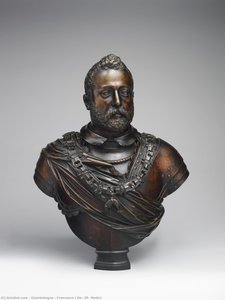
Giambologna's "Astronomy," a bronze sculpture created around 1580, isn’t merely a depiction of a woman gazing upwards; it’s an invitation to contemplate the vastness and beauty of the cosmos. This masterpiece, currently residing within the Metropolitan Museum of Art in New York City, embodies the height of Mannerist artistry – a style characterized by its elegant restraint, dynamic poses, and profound psychological depth. The sculpture immediately draws the viewer in with its exquisitely rendered form, capturing a moment of serene contemplation amidst an intricate celestial setting.
The figure itself is presented in a classic contrapposto stance, her weight shifted subtly to one leg, creating a natural curve to her spine and a graceful tilt of her head. Her gaze, directed just beyond the viewer’s shoulder, suggests a quiet absorption in the heavens above. The drapery, meticulously sculpted with an almost tactile quality, flows around her body like liquid metal, adding movement and dynamism to the otherwise poised pose. Giambologna's mastery lies not only in anatomical accuracy but also in his ability to imbue inanimate bronze with a sense of life and emotion.
The Language of the Stars
At the base of the sculpture rests a meticulously crafted pedestal, an ingenious device that serves as both a grounding element and a symbolic representation of the universe. It’s adorned with intricate carvings depicting constellations – recognizable figures from Greek mythology like Hercules, Perseus, and Andromeda – interwoven with astrological symbols and celestial instruments. This isn't simply decorative; it’s a visual lexicon, translating the language of the stars into a tangible form. The inclusion of these mythological figures speaks to the Renaissance fascination with classical knowledge and its application to understanding the natural world.
Above the figure, a magnificent sphere dominates the composition, representing the celestial sphere itself. Within this sphere are depicted various planets, rendered in exquisite detail, each orbiting the central sun – a radiant orb that casts a warm glow upon the entire scene. The careful arrangement of these planetary bodies reflects Giambologna’s deep understanding of astronomy and his desire to capture not just the appearance but also the underlying order of the cosmos. The sphere is more than just a backdrop; it's an active participant in the sculpture’s narrative, suggesting a dynamic interplay between the earthly realm represented by the figure and the infinite expanse of space.
Mannerism and the Human Condition
“Astronomy” stands as a quintessential example of Mannerist art. Unlike the idealized forms of High Renaissance sculpture, Giambologna’s work embraces asymmetry, elongated proportions, and a heightened sense of drama. The figure's pose is deliberately unbalanced, creating a visual tension that mirrors the complexities of human experience. The subtle expression on her face – a hint of melancholy mixed with wonder – invites viewers to contemplate their own place within the universe.
Giambologna’s influence extended far beyond his time. He was a pivotal figure in shaping the trajectory of sculpture, paving the way for future generations of artists who sought to explore new forms of expression and challenge traditional conventions. His work continues to resonate with audiences today, not only for its technical brilliance but also for its profound exploration of timeless themes – beauty, knowledge, and the enduring mystery of existence.
A Timeless Reflection
“Astronomy” is more than just a sculpture; it’s an experience. The rich texture of the bronze, achieved through meticulous polishing and patination, invites tactile engagement, while the carefully orchestrated lighting highlights the form's contours and creates a sense of depth and atmosphere. Reproductions capture much of this beauty, offering a way to bring this iconic piece into your home or office.
Consider commissioning a hand-painted reproduction from OriginalUniqueArt.com – a faithful recreation that preserves the sculpture’s original splendor while allowing you to enjoy its captivating presence in your own space. It's a testament to Giambologna’s genius and a timeless reminder of humanity’s enduring fascination with the stars.
Questions & Answers
Is there a guide for "Astronomy" by Giambologna?
A Guide page is available for "Astronomy" by Giambologna: a printable factsheet about the artwork, designed for students and classroom use.
What feeling does "Astronomy" by Giambologna convey?
In "Astronomy", a calm mood accompanies a reflective emotion.
Can I order an oil reproduction of "Astronomy"?
"Astronomy" is available as a hand-painted oil reproduction on linen canvas. The order can be placed on its Hand-Painted Reproduction page, with a choice of sizes.
Artist Biography
Giambologna: The Sculptor Who Defined Mannerism
Jean Boulogne, later known as Giambologna (1529 – 1608), stands as one of the most influential sculptors of the Italian Renaissance and Baroque periods. Born in Douai, Flanders—now France—his artistic journey began with formative studies under Jacques Du Broeucq in Antwerp before he embarked on a transformative relocation to Rome in 1550, where he immersed himself in the legacy of classical sculpture and absorbed the stylistic innovations championed by Michelangelo. This immersion profoundly shaped his distinctive Mannerist style, characterized by an exquisite sensitivity to surface texture, refined elegance, and a deliberate departure from the emotional fervor prevalent in earlier Renaissance art.- Early Life & Training: Boulogne’s initial artistic inclinations were nurtured in Antwerp's architectural milieu, equipping him with foundational skills that would prove invaluable as he pursued his studies in Rome. His engagement with Michelangelo’s monumental works instilled a deep appreciation for anatomical precision and sculptural dynamism—principles that would become hallmarks of Giambologna’s oeuvre.
- Roman Influence & Patronage: Giambologna's time in Rome coincided with the burgeoning patronage of the Medici family, securing him commissions that propelled his artistic reputation and solidified his position as a leading sculptor of the era. The influence of Michelangelo extended beyond mere stylistic imitation; it fostered a philosophical commitment to achieving idealized beauty through meticulous observation and masterful execution.
The Mannerist Style: A Departure from Tradition
Giambologna’s artistic vision decisively rejected the harmonious balance and emotive grandeur characteristic of High Renaissance sculpture. Instead, he embraced Mannerism—a stylistic movement that prioritized intellectual contemplation over visceral sensation. This approach manifested in several key features: elongated figures with subtly distorted proportions; attenuated drapery conveying a sense of precariousness; and an emphasis on decorative surface treatment—particularly polished marble—that achieved unparalleled luminosity. Giambologna’s sculptures weren't intended to convey immediate emotional impact but rather to provoke reflection upon complex philosophical concepts, mirroring the broader intellectual currents of his time. He skillfully employed *contrapposto*, a pose where the torso tilts slightly away from the viewer, creating an illusion of movement and balance—a technique perfected by Michelangelo and subsequently adopted by Giambologna himself.- Emphasis on Surface Texture: Giambologna’s sculptures are renowned for their extraordinarily refined surface finishes, achieved through painstaking polishing techniques that maximized reflectivity and created a mesmerizing interplay of light and shadow.
- Dynamic Composition & Anatomical Precision: Unlike the idealized forms of Michelangelo, Giambologna's figures possessed an unsettling realism—a deliberate distortion of anatomical proportions designed to heighten expressive tension and convey psychological depth.
Notable Works & Commissions
Giambologna’s prolific output encompassed monumental sculptures for public spaces and intimate portraits alike, cementing his legacy as one of the most celebrated artists of his generation. Among his crowning achievements are:- Neptune Fountain (Bologna): Collaborating with Tommaso Laureti on this ambitious project—the centerpiece of Bologna’s Piazza Nettuno—Giambologna created a colossal bronze sculpture depicting Neptune, god of the sea, surrounded by subsidiary figures embodying various elements of maritime mythology.
- The Rape of Sabine Women (Florence): Completed between 1574 and 1582, this marble masterpiece exemplifies Giambologna’s mastery of Mannerist technique—particularly *contrapposto*—and captures the dramatic narrative of Roman legend with breathtaking precision.
- Mercury Statue (Florence): Giambologna's depiction of Mercury—the messenger god—is celebrated for its graceful pose and luminous surface finish, embodying the spirit of Mannerist elegance and intellectual contemplation.
Legacy & Influence
Giambologna’s influence extended far beyond his lifetime, shaping the artistic sensibilities of subsequent generations and establishing him as a pivotal figure in the transition from Renaissance to Baroque art. His sculptural innovations—particularly his exploration of dynamic movement and psychologically complex figures—provided inspiration for artists such as Bernini and Caravaggio, who embraced Mannerist principles to forge new expressive pathways. Giambologna’s enduring reputation testifies to his unparalleled artistic vision—a testament to his ability to synthesize classical ideals with humanist sensibilities into a singularly compelling aesthetic experience.
Giambologna
1529 - 1608 , France
Quick Facts
- Full Name: Jean Boulogne
- Nationality: Flemish
- Date Of Birth: 1529
- Date Of Death: 1608
- Place Of Birth: Douai, France
- Notable Artworks:
- Mercury
- The Rape of the Sabine Women
- Artistic Movement Or Style: Mannerist Sculpture
- Artists Who Influenced This Artist: ['Michelangelo']
- Artists Or Movements Influenced By This Artist: ['Baroque']
Related Articles

The Enduring Legacy of Bronze Sculpture: A Collector's Guide to Form & Cultural Significance
Explore the rich history & enduring appeal of bronze sculpture with expert insights for collectors at OriginalUniqueArt. Learn about casting techniques, iconic artists, and collecting tips to build a discerning art collection.

Bronze Age to Modern Masters: 10 Sculptures That Redefined Art | OriginalUniqueArt
Journey through art history with 10 legendary bronze sculptures – from Michelangelo's David to Rodin’s Thinker. Explore the stories, techniques & timeless beauty of these masterpieces. Find museum-quality reproductions & elevate your home decor on OriginalUniqueArt.com.

The Enduring Legacy of Bronze: History, Technique & Artistic Expression for the Collector
Explore the rich history & enduring appeal of bronze sculpture with expert insights for collectors at OriginalUniqueArt. Learn about casting techniques, iconic artists, and collecting tips.

Bronze Sculptures That Defined Art History | OriginalUniqueArt
Journey through art history with our Top 10 bronze sculptures! Explore masterpieces by Rodin, Michelangelo & more. Discover stories behind iconic statues and find museum-quality reproductions for your home decor at OriginalUniqueArt.com.

The Enduring Legacy of Bronze: A Historical & Artistic Exploration for the Collector
Explore the rich history & enduring appeal of bronze sculpture with expert insights for collectors at OriginalUniqueArt. Learn about casting techniques, iconic artists, collecting tips & contemporary interpretations.