 Preview
 Send
Send Share
Share
 Details
 Guide
Guide

 Download
 Similars
 X-Ray
X-Ray Diaporama
 Q&A
Q&A Stats
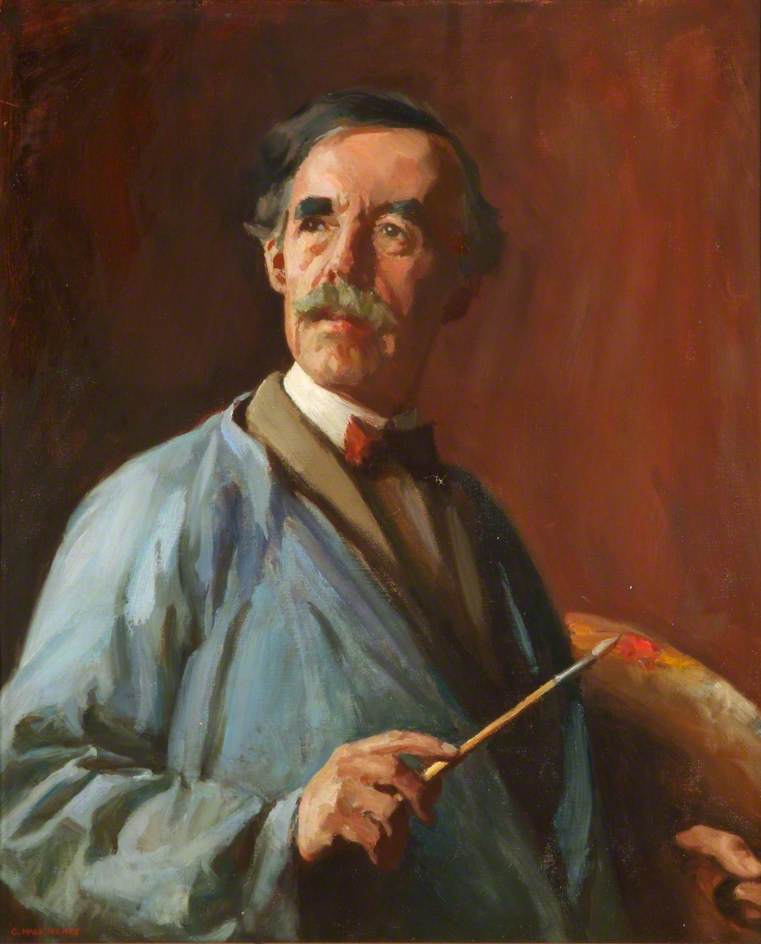
StatsSelf Portrait
 1932
1932 76.0 x 63.0 cm
 Walker Art Gallery
 Read More
Giclée / Art Print
Museum-quality giclée or canvas print with fast production and flexible finish options. ( Buy Hand Made Painting Switch to Digital Image)




































Pick from our preset sizes that match the artwork's original proportions.

Type the width and the height you need, to fit your frame or your wall. A print can only be cut, never made bigger than the picture, so a size with a different shape loses a part of the image. We send you a digital mockup to approve before we print anything. The picture shown on this page does not show the real cut — only the mockup does.
Worldwide Delivery () in 2 weeks instead of standard 4/5 weeks. (29 October)

Free Worldwide Express Shipping

High-Quality Linen Canvas

Full Shipping Insurance

Customs Tax Refund Guarantee

True Color Matching Guarantee

100-Day Return Policy (Defects Only)

100% Money-Back Guarantee

Bulk Discount Offer
 Glass option is only available in size under 110 CM

Self Portrait
Giclée / Art Print
Reproduction Size
-


Total Price
$ 81
Artist Biography
George Hall Neale: A Victorian Portraitist of Merseyside’s Elite
George Hall Neale (1863-1940) stands as a quietly distinguished figure in British portraiture, particularly renowned for his evocative depictions of prominent individuals within the thriving social and economic landscape of Merseyside. Born in Ormskirk, Lancashire, into a family rooted in commerce – his father a corn merchant – Neale’s artistic journey began with a formal education at Liverpool School of Art, followed by a period of study in Paris under the tutelage of esteemed artists Jean-Paul Laurens and Jean-Joseph Benjamin-Constant. These formative years exposed him to the burgeoning trends of academic realism and Impressionistic influences, shaping his approach to capturing both external likenesses and subtle psychological nuances within his subjects. His early work demonstrated a meticulous attention to detail, evident in his masterful rendering of fabrics, textures, and the play of light – hallmarks that would become defining characteristics of his oeuvre.The Rise of a Merseyside Portraitist
Neale’s career truly blossomed within the vibrant commercial heartland of Liverpool and its surrounding areas. He quickly established himself as a sought-after portrait artist, catering to a clientele comprised largely of industrialists, merchants, politicians, and members of the landed gentry – individuals who shaped the social and economic fabric of the region. This patronage afforded him considerable stability and allowed him to cultivate a prolific output. Unlike many artists of his era reliant on gallery sales, Neale’s primary income stemmed from commissioned portraits, a fact reflected in the formal, dignified style that permeated much of his work. His subjects weren't merely rendered; they were presented as symbols of status, wealth, and civic importance – carefully constructed images designed to project an aura of authority and refinement. The meticulousness with which he captured their features, combined with subtle indications of personality through pose and expression, speaks volumes about the artist’s skill and his understanding of his clientele's aspirations.Notable Works and Artistic Style
Several paintings exemplify Neale’s distinctive style and underscore his connection to Merseyside. “Portrait of a Woman” (1890), a stunning example of academic realism, showcases his ability to capture opulent details and elegant composition – a testament to the Victorian era's appreciation for luxurious aesthetics. Perhaps his most celebrated work is the imposing portrait of Frederick Edwin Smith, 1st Earl of Birkenhead (1930). This piece, rendered in rich oils, powerfully captures the Earl’s gravitas and legal symbolism, reflecting Neale’s skill in conveying both physical presence and inner character. The painting's careful composition, utilizing strong diagonals and a restrained palette, reinforces the subject’s authority and reflects the influence of classical portraiture. Beyond these prominent examples, his portfolio includes numerous depictions of local figures – industrialists like William Hetherington, members of Liverpool’s legal elite, and even rural scenes that offer glimpses into the lives beyond the city's bustling docks.Greasy Neale: A Curious Distinction
It is important to note a fascinating and somewhat unusual aspect of Neale’s life – his nickname, “Greasy.” This moniker, reportedly earned during his youth, gained considerable notoriety in American football circles, where he played professionally as Alfred Earle “Greasy” Neale. This dual identity—a respected portraitist in Britain and a gridiron player in America—adds an intriguing layer to the artist’s biography, suggesting a restless spirit and a willingness to embrace diverse pursuits. The nickname, however, seems to have followed him into his artistic career, occasionally appearing alongside his name in historical records, highlighting a somewhat unconventional public persona.Legacy and Historical Significance
George Hall Neale’s contribution to British portraiture lies not in revolutionary innovation but rather in his consistent execution of a refined and dignified style. He served as a visual chronicler of Merseyside's elite during a period of significant industrial growth and social transformation. His portraits offer invaluable insights into the values, aspirations, and social dynamics of the Victorian and Edwardian eras. While he may not be a household name, Neale’s work remains a valuable record of a specific time and place – a testament to the enduring power of portraiture to capture both likeness and character. His paintings are now housed in various collections, including the Victoria Gallery & Museum in Liverpool, offering a tangible connection to a bygone era and a skilled artist who quietly shaped the visual landscape of Merseyside.
George Hall Neale
1863 - 1940
Quick Facts
- Artistic Movement Or Style: Portrait painting
- Artists Or Movements Influenced By This Artist:
- Victorian art
- Edwardian portraits
- Artists Who Influenced This Artist:
- Jean-Paul Laurens
- Jean-Joseph Benjamin-Constant
- Date Of Birth: 1863
- Date Of Death: 1940
- Full Name: George Hall Neale
- Nationality: British
- Notable Artworks:
- Frederick Edwin Smith
- Portrait of a Woman
- Place Of Birth: Liverpool, England