

 Preview
 Send
Send Share
Share
 Details
 Guide
Guide

 Download
 Similars
 X-Ray
X-Ray Diaporama
 Stats
StatsSuicide
 Acrylic On Canvas
- WallArt
- Expressionist Satire
 1916
1916- 19th Century
 100.0 x 77.0 cm
 Read More
Purchase a high-resolution, enhanced digital image, far superior to the online preview.
Each file is meticulously prepared by our in-house specialists using advanced tools and expert manual retouching. We ensure every image has exceptional clarity, precise color accuracy, and fine detail.
The final file is delivered via email within 72 hours, optimized for immediate use in professional, editorial, and print environments. This is the same quality trusted by top-tier design studios, publishers, and galleries.
Digital Image
Download a high-resolution file for personal display, printing, and creative projects. ( Switch to Print Buy Hand Made Painting)
Included in Every Digital Image Order
Expert Digital Delivery, Guaranteed
When you choose OriginalUniqueArt.com, you're not just getting an image - you're receiving a professionally enhanced digital artwork, crafted with precision and backed by a satisfaction guarantee. Here's everything that comes with your order, automatically:

Fast Email Delivery
Your high-resolution digital image file will be emailed to you within 72 hours of ordering - ready for immediate use.

AI-Enhanced Digital File
Your artwork is professionally optimized using advanced AI tools and manual editing, ensuring maximum detail, clarity, and color accuracy.

Free Lifetime Re-Delivery
Accidentally deleted or lost your file? No worries - we'll resend it to you anytime, free of charge.

No Import Fees - Ever
Enjoy your artwork instantly with zero customs, duties, or delivery fees - digital downloads are always tax-free.

Color Accuracy Guarantee
We ensure your digital image reflects the original colors as closely as possible using professional tools and color management.

100-Day Satisfaction Guarantee
If you're not satisfied with your digital image, we'll revise it or refund 100% within 100 days - no questions asked.

100% Money-Back Guarantee
Not satisfied? Get a full refund within 100 days of receiving your digital file - no questions asked.

Bulk Order Discounts
Buy 3 images, save 10% - Buy 5, save 15% - Buy 10+, save 20%. Great for creative projects, galleries, and agencies.
A Descent into Despair: George Grosz's "Suicide"
George Grosz’s “Suicide,” painted in 1916, is not merely a depiction of death; it’s a raw, unflinching scream against the moral and societal collapse engulfing Germany during the tumultuous years preceding World War I. Executed on canvas measuring 100 x 77 cm, this work embodies Grosz's signature style – a brutal synthesis of social satire and Expressionist fervor. The scene unfolds with a chilling realism: a man lies prone, head buried in his hands, suggesting an act of self-destruction, while surrounding figures react with varying degrees of apathy, grief, or morbid curiosity. This isn’t a romanticized tragedy; it's a stark confrontation with the anxieties and disillusionment that permeated Weimar Berlin.
The Anatomy of Disillusionment: Style and Technique
Grosz’s technique is immediately recognizable – characterized by jagged lines, distorted forms, and a deliberately unsettling palette dominated by somber browns, greys, and muted reds. He employs a heavily textured surface, achieved through thick impasto application of paint, which adds to the painting's visceral impact. The figures are rendered with an almost caricature-like quality, exaggerating features to amplify their emotional states. Notice the meticulous detail in the open umbrella held by one figure – a seemingly insignificant element that subtly underscores the scene’s bleakness and perhaps hints at a futile attempt to shield oneself from the storm of despair. The use of strong diagonals creates a sense of unease and instability, mirroring the fractured state of society depicted.
Historical Context: Weimar Berlin and the Seeds of Destruction
"Suicide" was created during a period of profound social and political upheaval in Germany. The Weimar Republic, born from the ashes of the German Empire, struggled to establish itself amidst economic instability, hyperinflation, and rampant political extremism. Grosz’s art served as a scathing critique of this era, exposing the corruption, moral decay, and disillusionment that fueled the rise of fascism. The presence of the two dogs adds another layer of interpretation – perhaps symbolizing loyalty betrayed or the primal instincts unleashed by societal breakdown. The year 1916 was particularly fraught with tension, marked by ongoing war efforts and growing social unrest, making this painting a potent reflection of the anxieties of the time.
Symbolism and Emotional Resonance
Beyond its immediate depiction of suicide, “Suicide” is laden with symbolic weight. The figures represent not just individuals but broader societal forces – the indifference of the wealthy, the paralysis of bureaucracy, and the destructive consequences of unchecked ambition. The overall atmosphere is one of profound sadness and hopelessness, a feeling intensified by Grosz’s masterful use of light and shadow. This artwork continues to resonate with viewers today, serving as a timeless reminder of the fragility of human existence and the enduring power of art to confront uncomfortable truths. It's a powerful statement on the human condition, rendered with unflinching honesty and artistic brilliance.
Questions & Answers
How saturated is the palette of "Suicide"?
The palette of "Suicide" is balanced soft in saturation.
What technique was used for "Suicide" by George Grosz?
"Suicide" is executed in acrylic on canvas.
Is there a factsheet about "Suicide" by George Grosz for students?
The Guide page of "Suicide" by George Grosz offers a printable two-sheet factsheet: the artwork with its identity table, a decade band placing it in the artist's lifetime, other works by the artist, the measured color palette, and ready-to-copy citations in four styles.
Artist Biography
A Satirist of Shattered Worlds: The Life and Art of George Grosz
George Grosz, born Georg Ehrenfried Groß in Berlin in 1893, was a visual chronicler of societal decay and political upheaval. His art wasn’t merely *of* its time—the tumultuous Weimar Republic and the rise of fascism—it was a visceral reaction to it, a furious indictment rendered in jagged lines and grotesque caricatures. Grosz didn't simply depict Berlin; he dissected it, exposing its moral rot with unflinching honesty. The early years of his life were marked by instability following his father’s death, an event that propelled his mother into managing an officers’ mess, placing the young Georg amidst a world of Prussian militarism and rigid social hierarchies—a world he would later relentlessly satirize. His formal artistic training began with meticulous copies of traditional Dutch masters like Eduard von Grützner, honing technical skill before he abandoned academic conventions for a far more provocative path. This early discipline, however, provided the foundation upon which his uniquely expressive style would be built.Dada, New Objectivity, and the Birth of a Critical Vision
Grosz’s artistic development was inextricably linked to the avant-garde movements that flourished in post-World War I Germany. He became a central figure in Berlin Dada, embracing its nihilistic spirit and anti-establishment fervor. However, unlike some of his Dadaist contemporaries who reveled in pure absurdity, Grosz channeled Dada's rebellious energy into pointed social commentary. His work during this period—pieces like *The Pit* (1921) and *The Pillars of Society* (1926)—are searing indictments of the German bourgeoisie, the military elite, and the corrupt political system that led the nation to disaster. He wasn’t interested in aesthetic beauty; he sought to shock, provoke, and expose hypocrisy. This commitment to social critique evolved into his participation in *Neue Sachlichkeit* (New Objectivity), a movement characterized by its realistic yet unsentimental depiction of contemporary life. While sharing New Objectivity's focus on realism, Grosz infused it with a uniquely biting satire that distinguished him from other artists associated with the group. His paintings and drawings weren’t simply representations of reality; they were distorted reflections of a society teetering on the brink of collapse.Exile and Transformation: A New World, A Shifting Style
The ascent of Nazism forced Grosz into exile in 1933. He found refuge in the United States, becoming a naturalized citizen in 1938. This relocation marked a significant turning point in his artistic career. Removed from the immediate context that fueled his most potent work, and confronted with a different set of social and political realities, Grosz’s style began to shift. The overtly aggressive caricatures gave way to more subdued landscapes and portraits, often tinged with a sense of melancholy and disillusionment. While he continued to exhibit and teach at the Art Students League in New York, his work lacked the raw urgency of his Berlin period. He struggled to find his footing in a new environment, grappling with feelings of alienation and artistic uncertainty. The apocalyptic visions that emerged during this time—paintings depicting desolate landscapes and fragmented figures—reflected not only the horrors unfolding in Europe but also his own internal turmoil.Legacy and Enduring Relevance
George Grosz returned to Berlin in 1959, shortly before his death, a poignant return to the city that had both inspired and haunted him. His legacy extends far beyond the historical context of Weimar Germany. He remains a powerful example of an artist who dared to confront uncomfortable truths and challenge societal norms. His work serves as a cautionary tale about the dangers of political extremism, social injustice, and unchecked power.- Satirical Power: Grosz’s masterful use of caricature continues to inspire artists and commentators today.
- Social Commentary: His unflinching critique of societal ills remains remarkably relevant in a world still grappling with inequality, corruption, and political polarization.
- Historical Witness: His art provides invaluable insight into the social and political climate of interwar Germany, offering a visceral understanding of the forces that led to World War II.
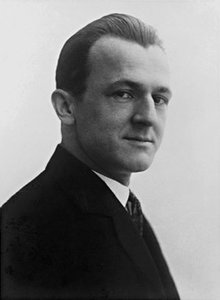
George Grosz
1893 - 1959 , Germany
Quick Facts
- Full Name: George Grosz
- Nationality: German
- Date Of Birth: 1893
- Date Of Death: 1959
- Place Of Birth: Berlin, Germany
- Notable Artworks:
- The Pit
- The Agitator
- Pillars of Society
- Artistic Movement Or Style: Dada, New Objectivity