Menu
Preview AR preview Switch to Print Switch to Digital Image Send
Details Guide Add to favorites Download Similars X-Ray Diaporama Stats

Creamer

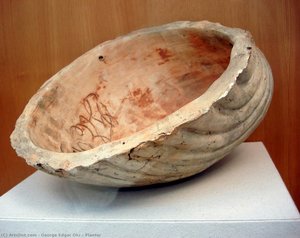
Discover George Edgar Ohr’s ‘Creamer’: a mesmerizing ceramic pitcher showcasing vibrant glaze textures & molten-metal hues. A unique realist piece reflecting 20th-century abstract expressionism.

Discover George Edgar Ohr (1857-1918), the 'Mad Potter of Biloxi'. Explore his innovative, abstract expressionist ceramics & pioneering work that defied convention. See his unique mugs, bowls & vases at the Ohr–O'Keefe Museum of Art.

Hand Made Oil Reproduction

Hand-painted oil on canvas in your size and frame, made to order by our artists. ( Switch to Print Switch to Digital Image)

Corner sample of the P118B picture frame: moulded polystyrene, 5 cm wide and 3 cm thick
P118B $10
Corner sample of the P118H picture frame: moulded polystyrene, 5 cm wide and 3 cm thick
P118H $10
Corner sample of the P118W picture frame: moulded polystyrene, 5 cm wide and 3 cm thick
P118W $10
Corner sample of the P438Z picture frame: moulded polystyrene, 5.5 cm wide and 3.5 cm thick
P438Z $10
Corner sample of the P508JH picture frame: moulded polystyrene, 7 cm wide and 3.5 cm thick
P508JH $12
Corner sample of the P508YH picture frame: moulded polystyrene, 7 cm wide and 3.5 cm thick
P508YH $12
Corner sample of the P805H picture frame: moulded polystyrene, 5 cm wide and 3.5 cm thick
P805H $10
Corner sample of the P805Z picture frame: moulded polystyrene, 5 cm wide and 3.5 cm thick
P805Z $10
Corner sample of the P919BZ picture frame: moulded polystyrene, 7 cm wide and 3.5 cm thick
P919BZ $10
Corner sample of the P919G picture frame: moulded polystyrene, 7 cm wide and 3.5 cm thick
P919G $10
Corner sample of the P919XJ picture frame: moulded polystyrene, 7 cm wide and 3.5 cm thick
P919XJ $10
Corner sample of the P959ZH picture frame: moulded polystyrene, 5 cm wide and 3 cm thick
P959ZH $10
Corner sample of the P968JZ picture frame: moulded polystyrene, 6 cm wide and 4 cm thick
P968JZ $12
Corner sample of the W106C picture frame: solid wood, 5 cm wide and 3 cm thick
W106C $8
Corner sample of the W218G picture frame: solid wood, 5 cm wide and 3 cm thick
W218G $10
Corner sample of the W218JH picture frame: solid wood, 5 cm wide and 3 cm thick
W218JH $8
Corner sample of the W218Y picture frame: solid wood, 5 cm wide and 3 cm thick
W218Y $10
Corner sample of the W307PJ picture frame: solid wood, 6 cm wide and 3 cm thick
W307PJ $10
Corner sample of the W316G picture frame: solid wood, 6 cm wide and 3 cm thick
W316G $10
Corner sample of the W316PJ picture frame: solid wood, 6 cm wide and 3 cm thick
W316PJ $8
Corner sample of the W316Y picture frame: solid wood, 6 cm wide and 3 cm thick
W316Y $10
Corner sample of the W398PJ picture frame: solid wood, 5 cm wide and 3 cm thick
W398PJ $8
Corner sample of the W4111J picture frame: solid wood, 6.5 cm wide and 3.5 cm thick
W4111J $10
Corner sample of the W500HY picture frame: solid wood, 7 cm wide and 5 cm thick
W500HY $15
Corner sample of the W500JH picture frame: solid wood, 7 cm wide and 5 cm thick
W500JH $15
Corner sample of the W692G picture frame: solid wood, 8 cm wide and 4 cm thick
W692G $12
Corner sample of the W849H picture frame: solid wood, 5 cm wide and 3 cm thick
W849H $8
Corner sample of the W940BG picture frame: solid wood, 7.5 cm wide and 4.5 cm thick
W940BG $15
Corner sample of the W953PJ picture frame: solid wood, 6 cm wide and 3.5 cm thick
W953PJ $8

Standard
custom
CM
INCH

Pick from our preset sizes that match the artwork's original proportions.

width
height

Type the width and the height you need, to fit your frame or your wall. This is hand-painted, so for a size with a different shape the artist can paint a bit more around the picture, or cut a bit — you choose. We send you a digital mockup to approve before the painting starts. The picture shown on this page does not show the real result — only the mockup does.

Examples of what can be changed: Replace face with customer photo; Add pet (e.g., replace cat with dog); Include hidden message in background; Change background landscape or elements.
After order, OriginalUniqueArt.com team will email client for instructions and provide a mockup preview

Worldwide Delivery () in 3/4 weeks instead of standard 5 weeks. (28 October). No compromise on quality.

Free Worldwide Express Shipping
High-Quality Linen Canvas
Full Shipping Insurance
Customs Tax Refund Guarantee
True Color Matching Guarantee
100-Day Return Policy (Defects Only)
100% Money-Back Guarantee
Bulk Discount Offer

Total Price

$ 300

Creamer

Reproduction Medium

Reproduction Size

-

Total Price

$ 300

Quick Facts

  • Movement: Abstract Expressionism
  • Notable elements: Textured glaze, organic shapes
  • Location: Ohr-O'Keefe Museum
  • Artist: George Edgar Ohr
  • Subject or theme: Ceramic vessel

Art Quiz

There is only one correct answer for each question.

Question 1:
What is the primary artistic movement associated with George Edgar Ohr’s ceramic work, as indicated by the description?
Question 2:
The description highlights a specific technique used in Ohr’s pottery. What is this technique?
Question 3:
What nickname did George Edgar Ohr famously adopt, reflecting his artistic approach?
Question 4:
According to the text, what was a significant factor contributing to Ohr’s initial struggles with recognition?
Question 5:
What does the description emphasize as a key characteristic of Ohr’s ceramic surfaces?

A Dance of Fire and Clay: Unveiling George Edgar Ohr’s “Creamer”

George Edgar Ohr, affectionately dubbed the "Mad Potter of Biloxi," wasn't merely a ceramicist; he was a revolutionary, a provocateur who shattered conventional notions of form and function within the world of art. His work, particularly pieces like “Creamer,” embodies this spirit – a vibrant explosion of texture, color, and unapologetic experimentation that foreshadowed much of 20th-century abstract expressionism. “Creamer,” created around 1908, isn’t simply a pitcher; it's a captured moment of molten energy, a testament to Ohr’s relentless pursuit of artistic freedom and his profound understanding of the inherent beauty within imperfection. The piece immediately commands attention with its audacious palette – a swirling vortex of deep reds, fiery oranges, sun-baked yellows, and earthy browns that seem to pulse with an internal heat. These aren't carefully blended hues; rather, they’re layered glazes applied with a deliberate roughness, mimicking the chaotic yet controlled process of metalworking or even volcanic activity. The surface is far from smooth; it’s deliberately textured with ridges, drips, and pools of glaze, creating a tactile experience that invites close inspection – a direct challenge to the polished perfection often associated with traditional ceramics.

The Biloxi Crucible: Contextualizing Ohr's Innovation

Ohr’s artistic journey was inextricably linked to his birthplace, Biloxi, Mississippi—a port city steeped in maritime history and brimming with diverse cultural influences. This unique environment profoundly shaped his aesthetic sensibilities. He initially worked as a utilitarian potter, producing functional wares for the local community. However, he quickly grew dissatisfied with this limited role, yearning to explore the expressive potential of clay. The fires that frequently ravaged Biloxi – devastating both physically and emotionally – became a crucial catalyst for his artistic evolution. These destructive events, particularly the 1894 fire that consumed his studio and much of his work, served as a powerful impetus for experimentation. He began to embrace the accidental, the broken, and the imperfect, transforming these losses into opportunities for innovation. This period saw him moving away from rigid forms and embracing techniques like “throwing” – creating shapes by hand without using a potter’s wheel—and layering glazes in ways that defied conventional ceramic practices.

A Symphony of Texture: Technique and Materiality

The creation of "Creamer" exemplifies Ohr's distinctive technique, a masterful blend of intuition and controlled chaos. He didn’t adhere to established methods; instead, he developed his own unique approach, often working directly on the clay surface with tools like knives, spatulas, and even his hands. The layering of glazes is particularly noteworthy – multiple applications were built up over time, creating a complex interplay of color and texture. The deliberate roughness isn’t simply accidental; it's a conscious choice to emphasize the materiality of the clay itself, celebrating its inherent irregularities and imperfections. Ohr’s use of glaze was revolutionary for his time, moving beyond traditional transparent glazes to create opaque, richly pigmented surfaces that seemed to glow from within. The piece is a testament to his mastery of material – he coaxed extraordinary effects from humble clay and simple glazes, transforming them into something truly remarkable.

Symbolism in the Shimmer: Interpretation and Emotional Resonance

While Ohr himself resisted definitive interpretations of his work, “Creamer” undeniably resonates with themes of transformation, resilience, and the beauty of imperfection. The fiery colors evoke images of molten metal – a primal force both destructive and creative. This imagery can be interpreted as a reflection of Biloxi’s history, its vulnerability to storms and fires, yet also its enduring spirit. The piece's irregular forms suggest a rejection of rigid order and an embrace of spontaneity and chance. The “Creamer” itself—a vessel designed for holding cream—adds another layer of complexity. It’s a seemingly mundane object elevated to the realm of art through Ohr’s transformative vision, suggesting that even the most ordinary things can be imbued with extraordinary beauty and meaning. The overall effect is one of intense energy and emotional depth – a captivating invitation to contemplate the power of creativity and the acceptance of imperfection.

Questions & Answers

What other names is George Edgar Ohr known by?

Other names recorded for George Edgar Ohr, creator of "Creamer", include George E. Ohr.

What is "Creamer" made with, and in which style?

"Creamer" by George Edgar Ohr combines the acrylic on canvas technique with the Contemporary Realism style. Technique and movement describe the making and the style of the work.

How do movement and era meet in "Creamer" by George Edgar Ohr?

"Creamer" by George Edgar Ohr is placed in the Contemporary Realism movement, within the 19th-Century era of its creator.


Artist Biography

The Singular Vision of George Edgar Ohr: The Mad Potter of Biloxi

George Edgar Ohr, a name synonymous with innovation and eccentricity in the world of American ceramics, was born on July 12, 1857, in the coastal city of Biloxi, Mississippi. His parents, German immigrants seeking new opportunities, instilled in him a strong work ethic and perhaps a touch of the Old World’s artistic sensibility. However, it was the unique environment of Biloxi – a melting pot of cultures and a source of readily available clay – that truly nurtured his burgeoning talent. Ohr wasn't simply a potter; he was an explorer of form, texture, and glaze, relentlessly pushing the boundaries of what ceramic art could be. He embraced the moniker “Mad Potter of Biloxi,” not as a dismissal, but as a proud declaration of his unconventional approach and unwavering dedication to artistic freedom.

Early Influences and Artistic Awakening

Ohr’s journey into ceramics began somewhat serendipitously. After a restless youth spent trying various trades in New Orleans, he found himself apprenticed to Joseph Fortune Meyer, a potter with connections to the burgeoning Arts & Crafts movement. This apprenticeship provided Ohr with a solid foundation in traditional techniques, but it was his subsequent travels – a sixteen-state tour of American potteries – that ignited his creative spark. He absorbed diverse methods and styles, yet he wasn’t content to merely replicate; he sought to transcend convention. He returned to Biloxi determined to forge his own path, establishing his “Biloxi Art and Novelty Pottery” where he could fully realize his artistic vision. The clay from the nearby Tchoutacabouffa River became his medium, and his hands, his instruments of transformation.

A Revolution in Clay: Technique and Innovation

Ohr’s work stands apart due to its radical departure from prevailing ceramic norms. While many potters focused on functionality and symmetrical forms, Ohr embraced asymmetry, distortion, and a deliberate rejection of perfection. He pioneered techniques like twisting, crumpling, folding, and stretching the clay while still wet, creating vessels that seemed to defy gravity and challenge expectations. His glazes were equally experimental – vibrant, unpredictable, and often resembling molten metal or iridescent jewels. He wasn’t interested in simply decorating pottery; he was sculpting with color and light. He thinned his walls to an almost impossible degree, achieving a delicacy rarely seen in ceramics. This daring approach, combined with his unique glazes, resulted in pieces that were both visually stunning and structurally audacious. His work foreshadowed the abstract expressionist movement decades before it fully emerged, demonstrating a willingness to prioritize form and emotion over representational accuracy.

Years of Isolation and Rediscovery

Despite his innovative spirit, Ohr struggled for recognition during his lifetime. The public wasn’t always ready for his radical designs, and he often found himself at odds with prevailing tastes. Frustrated by the lack of appreciation and unwilling to compromise his artistic integrity, he ceased production around 1910, meticulously packing away thousands of pieces in his studio. He requested that his family leave the collection untouched for fifty years after his death, believing that future generations would be more receptive to his work. Sadly, Ohr passed away on April 7, 1918, during the influenza pandemic, largely unknown outside of Biloxi. It wasn’t until the late 1960s and early 1970s that his genius was finally recognized. James Carpenter, an antiques dealer, discovered the hidden trove of pottery and began to champion Ohr's work, introducing it to a wider audience. The rediscovery sparked a renewed interest in American ceramics and cemented Ohr’s place as a visionary artist.

Legacy and Enduring Influence

Today, George Edgar Ohr is celebrated as one of the most important figures in American ceramic history. His pioneering spirit continues to inspire artists around the world. His work can be found in major museums, including the Smithsonian Institution and the Metropolitan Museum of Art, and a dedicated museum – the Ohr–O'Keefe Museum of Art in Biloxi – stands as a testament to his enduring legacy.

  • Ohr’s influence extends beyond ceramics.
  • His willingness to challenge conventions resonates with artists across disciplines.
  • He demonstrated that true artistic expression requires courage, independence, and an unwavering commitment to one's vision.
The “Mad Potter of Biloxi” may have been ahead of his time, but his work continues to speak volumes about the power of innovation, the beauty of imperfection, and the enduring allure of a truly singular artistic voice.

George Edgar Ohr

George Edgar Ohr

1857 - 1918 , United States of America

Quick Facts

  • Full Name: George Edgar Ohr
  • Nationality: American
  • Date Of Birth: 1857
  • Date Of Death: 1918
  • Place Of Birth: Biloxi, United States of America
  • Notable Artworks:
    • Mug
    • Teapot
    • Bowl
    • Creamer
  • Artistic Movement Or Style: Abstract Expressionism
  • Artists Who Influenced This Artist: ['Joseph Meyer']
  • Artists Or Movements Influenced By This Artist: ['American Ceramics']
Explore artworks organized by themes, styles, and characteristics.