Menu

() ·

A painting made for you, by hand

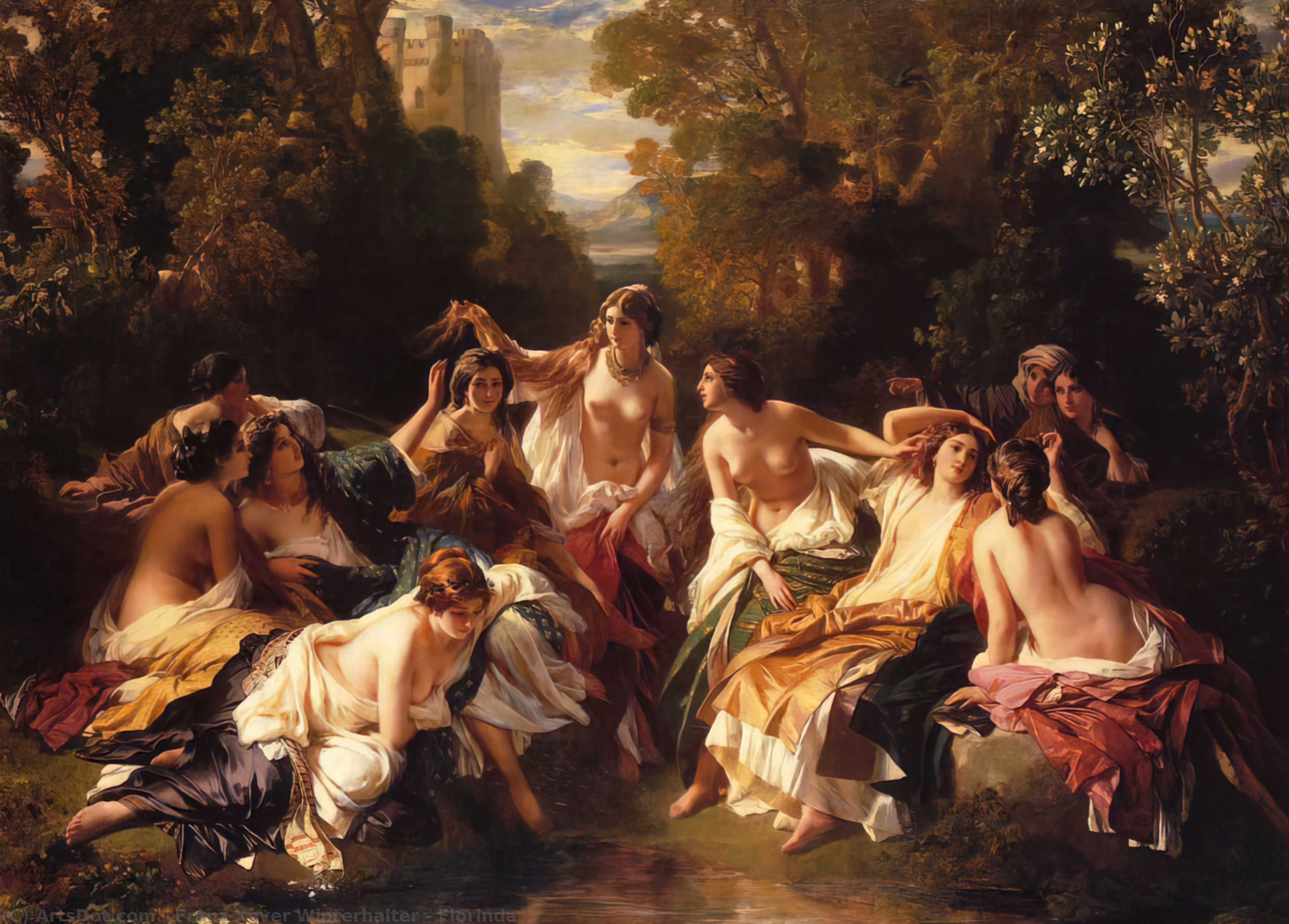
Florinda

Hand Made Oil Reproduction

Hand-painted oil on canvas in your size and frame, made to order by our artists. ( Switch to Print Switch to Digital Image)

Collectible Description

Experience 'Florinda' by Winterhalter – a stunning 1853 oil painting of aristocratic figures in nature. Admire its rich detail & historical elegance. A captivating centerpiece for your home.

Artist Biography

Franz Xaver Winterhalter (1805-1873): German painter famed for elegant royal & aristocratic portraits. Master of flattery, capturing 19th-century European courts with realism and grace.

from ·

Chapter 1

How large should it be?

Slide to change the size; the picture on the left shows the frame at its real width. The proportions of the original are kept.

Standard
custom
CM
INCH

Pick from our preset sizes that match the artwork's original proportions.

width
height

Type the width and the height you need, to fit your frame or your wall. This is hand-painted, so for a size with a different shape the artist can paint a bit more around the picture, or cut a bit — you choose. We send you a digital mockup to approve before the painting starts. The picture shown on this page does not show the real result — only the mockup does.

Chapter 2

How should it arrive?

Choose the edges of the stretched canvas

Choose your frame

Corner sample of the WhiteWrap canvas edge finish, stretched on solid wood bars
White $1
Corner sample of the BlurSideWrap canvas edge finish, stretched on solid wood bars
Blurside $1
Corner sample of the ExtendedWrap canvas edge finish, stretched on solid wood bars
Extended $1
Corner sample of the P118B picture frame: moulded polystyrene, 5 cm wide and 3 cm thick
P118B $10
Corner sample of the P118H picture frame: moulded polystyrene, 5 cm wide and 3 cm thick
P118H $10
Corner sample of the P118W picture frame: moulded polystyrene, 5 cm wide and 3 cm thick
P118W $10
Corner sample of the P438Z picture frame: moulded polystyrene, 5.5 cm wide and 3.5 cm thick
P438Z $10
Corner sample of the P508JH picture frame: moulded polystyrene, 7 cm wide and 3.5 cm thick
P508JH $12
Corner sample of the P508YH picture frame: moulded polystyrene, 7 cm wide and 3.5 cm thick
P508YH $12
Corner sample of the P805H picture frame: moulded polystyrene, 5 cm wide and 3.5 cm thick
P805H $10
Corner sample of the P805Z picture frame: moulded polystyrene, 5 cm wide and 3.5 cm thick
P805Z $10
Corner sample of the P919BZ picture frame: moulded polystyrene, 7 cm wide and 3.5 cm thick
P919BZ $10
Corner sample of the P919G picture frame: moulded polystyrene, 7 cm wide and 3.5 cm thick
P919G $10
Corner sample of the P919XJ picture frame: moulded polystyrene, 7 cm wide and 3.5 cm thick
P919XJ $10
Corner sample of the P959ZH picture frame: moulded polystyrene, 5 cm wide and 3 cm thick
P959ZH $10
Corner sample of the P968JZ picture frame: moulded polystyrene, 6 cm wide and 4 cm thick
P968JZ $12
Corner sample of the W106C picture frame: solid wood, 5 cm wide and 3 cm thick
W106C $8
Corner sample of the W218G picture frame: solid wood, 5 cm wide and 3 cm thick
W218G $10
Corner sample of the W218JH picture frame: solid wood, 5 cm wide and 3 cm thick
W218JH $8
Corner sample of the W218Y picture frame: solid wood, 5 cm wide and 3 cm thick
W218Y $10
Corner sample of the W307PJ picture frame: solid wood, 6 cm wide and 3 cm thick
W307PJ $10
Corner sample of the W316G picture frame: solid wood, 6 cm wide and 3 cm thick
W316G $10
Corner sample of the W316PJ picture frame: solid wood, 6 cm wide and 3 cm thick
W316PJ $8
Corner sample of the W316Y picture frame: solid wood, 6 cm wide and 3 cm thick
W316Y $10
Corner sample of the W398PJ picture frame: solid wood, 5 cm wide and 3 cm thick
W398PJ $8
Corner sample of the W4111J picture frame: solid wood, 6.5 cm wide and 3.5 cm thick
W4111J $10
Corner sample of the W500HY picture frame: solid wood, 7 cm wide and 5 cm thick
W500HY $15
Corner sample of the W500JH picture frame: solid wood, 7 cm wide and 5 cm thick
W500JH $15
Corner sample of the W692G picture frame: solid wood, 8 cm wide and 4 cm thick
W692G $12
Corner sample of the W849H picture frame: solid wood, 5 cm wide and 3 cm thick
W849H $8
Corner sample of the W940BG picture frame: solid wood, 7.5 cm wide and 4.5 cm thick
W940BG $15
Corner sample of the W953PJ picture frame: solid wood, 6 cm wide and 3.5 cm thick
W953PJ $8
Corner sample of the H24-GOLD picture frame: carved wood with gesso, 10 cm wide and 6 cm thick
H24-GOLD $30
Corner sample of the H24-SILVER picture frame: carved wood with gesso, 10 cm wide and 6 cm thick
H24-SILVER $30
Corner sample of the H36-GOLD picture frame: carved wood with gesso, 15 cm wide and 6.5 cm thick
H36-GOLD $45
Corner sample of the H36-SILVER picture frame: carved wood with gesso, 15 cm wide and 6.5 cm thick
H36-SILVER $45
Frame preview
Framed

Moulding: . Overall size with the frame: .

Chapter 3

Who paints it, and should anything change?

Examples of what can be changed: Replace face with customer photo; Add pet (e.g., replace cat with dog); Include hidden message in background; Change background landscape or elements.
After order, OriginalUniqueArt.com team will email client for instructions and provide a mockup preview

Worldwide Delivery () in 3/4 weeks instead of standard 5 weeks. (29 October). No compromise on quality.

Chapter 4

The finishing touches

A nameplate, as in a museum?

Engraved Bronze Plaque Details

This elegant plaque features the artist's name and the title of the artwork, finely engraved for a timeless presentation.

It is made from bronze with a refined, elegant finish. The text is precisely laser-engraved for a sharp and permanent result. Measuring 9x2 cm, the plaque is compact yet easy to read. It's built to be durable and scratch-resistant, offering a professional, museum-quality look. Mounting is simple thanks to the included adhesive backing.

Transparent Acrylic Plaque Details

The plaque includes essential engraved details such as the artist's name, the title of the artwork, the date it was created, the type of media used-like oil on canvas or watercolor-a brief description of the piece, and a QR code that links to the complete artwork information.

It is crafted from clear acrylic, offering a sleek, modern appearance. The text is UV-engraved in black to ensure strong visual contrast. With a size of 10x15 cm, it ensures optimal readability. It comes equipped with two metal hooks for secure wall mounting. The plaque is designed to be weather-resistant, making it suitable for various environments, and it includes interactive features that work seamlessly with smartphone scanning.

Black Acrylic Plaque Details

This elegant plaque includes engraved information such as the artist's name, the title of the artwork, the date it was created, the type of media used (like oil on canvas or watercolor), a short description of the artwork, and a QR code for quick access to more information.

The plaque itself is made from refined black acrylic with a premium finish. The text is laser-engraved in white for high contrast and readability. Its size is 10x15 cm, designed to be easy to read. It comes with two metal hooks for professional mounting. The design is sleek and fits any interior style. It is also weather-resistant and durable, with built-in digital integration for mobile compatibility.

A protective varnish?

When do you need it?

Chapter 5

Your painting, as you ordered it

Florinda

Reproduction Medium

Reproduction Size

-

Elite Senior Artist

More detail, finesse, and extra production time

-

Reproduction Frame

-

-

For artworks or reproductions larger than 105 cm (approximately 41 inches) on any side, the frame will be shipped as a kit, disassembled. This method ensures safe delivery and prevents damage during transport.

Professional assembly required - this is not a DIY product.
The kit must be assembled and the canvas stretched by an experienced professional framer, using wood glue (not supplied), a canvas stretching plier and clamps to hold the bars square while the glue dries. Incorrect assembly or uneven canvas tension can permanently damage the artwork and is not covered by our warranty.

  • All solid wood bars are included, precisely cut to size.

  • Assembled with the screws provided, plus wood glue for the corner joints, which is not supplied and must be sourced by your framer.

  • Professional tools are required and not included: a canvas stretching plier (tensioner) and clamps to hold the bars square while the glue dries.

Important:
The corner joints require wood glue, the bars must be held with clamps until the glue is fully dry, and tightening the canvas on the assembled frame requires a canvas stretching plier. None of these are included in the kit. Please arrange an experienced professional framer before ordering this size.

Nameplate

-

-

Protective Varnish

Glossy Varnish (enhances colors, protects against light/moisture)

-

Customize My Artwork

Examples of what can be changed: Replace face with customer photo; Add pet (e.g., replace cat with dog); Include hidden message in background; Change background landscape or elements.

-

Urgent

Worldwide Delivery () in 3/4 weeks instead of standard 5 weeks. (29 October). No compromise on quality.

-

Express Shipping

Worldwide Delivery () in 5 weeks. (5 November).

Included

Total Price

$ 500

Total Price $ 500

Glass option is only available in size under 110 CM

Included with every order

  • Free Worldwide Express Shipping
  • High-Quality Linen Canvas
  • Full Shipping Insurance
  • Customs Tax Refund Guarantee
  • True Color Matching Guarantee
  • 100-Day Return Policy (Defects Only)
  • 100% Money-Back Guarantee
  • Bulk Discount Offer

An Enchanting Gathering in Nature

Franz Xaver Winterhalter's "Florinda" (1853) invites viewers into a vibrant scene of camaraderie and celebration set against a lush natural backdrop. This captivating oil painting captures a moment of shared joy, with figures engaged in lively interactions that evoke a sense of community and connection.

Masterful Composition and Technique

Winterhalter's composition is both dynamic and harmonious, featuring a central gathering of figures arranged in a loose circular pattern. The artist's use of fluid lines and organic shapes creates a sense of movement and energy, while the careful balance of light and shadow adds depth and dimension to the scene. The rich textures—from the smooth skin of the figures to the flowing fabric of their garments—showcase Winterhalter's technical skill and attention to detail.

Warm and Earthy Palette

The color palette is dominated by warm, earthy tones of brown, gold, and green, complemented by softer hues that create a harmonious balance. The use of light and shadow enhances the three-dimensionality of the figures and landscape, drawing the viewer's eye into the painting.

Historical Context and Royal Connections

Franz Xaver Winterhalter was renowned for his aristocratic and royal portraiture, capturing the elegance of 19th-century European courts. Although primarily known for his portraits, "Florinda" demonstrates Winterhalter's versatility and ability to blend realism with a romantic sensibility. The painting reflects the artist's skill in combining likeness with flattery, a trait that made him highly sought after by the elite.

Symbolism and Emotional Impact

The natural setting of "Florinda" may symbolize purity or a connection to the earth, while the distant structure could represent civilization or a place of significance. The emotional tone is one of joy and camaraderie, with figures interacting in ways that suggest a shared experience. This sense of unity and celebration makes the painting a powerful and uplifting addition to any collection.

Why Choose This Reproduction?

For art lovers, collectors, and interior designers seeking a piece that combines historical significance with emotional resonance, "Florinda" is an exceptional choice. Its vibrant colors, dynamic composition, and rich textures make it a striking centerpiece for any space. Whether displayed in a grand hallway or a cozy living room, this high-quality reproduction will bring a sense of elegance and warmth to your home.

Bring the Magic Home

Experience the enchantment of "Florinda" by Franz Xaver Winterhalter with our hand-painted reproductions. Each piece is crafted with meticulous attention to detail, ensuring that you receive a work of art that captures the essence of the original. Elevate your space with this timeless masterpiece and enjoy the beauty and inspiration it brings every day.

Questions & Answers

Is there a factsheet about "Florinda" by Franz Xavier Winterhalter for students?

The Guide page of "Florinda" by Franz Xavier Winterhalter offers a printable two-sheet factsheet: the artwork with its identity table, a decade band placing it in the artist's lifetime, other works by the artist, the measured color palette, and ready-to-copy citations in four styles.

Which artistic current is "Florinda" by Franz Xavier Winterhalter part of?

"Florinda" is a work of Academic Realism. The movement indicates the artistic tradition the work is part of.

Who made "Florinda", and when?

The author of "Florinda" is Franz Xavier Winterhalter, and the work is dated 1853.

More about this painting

Preview AR preview Switch to Print Switch to Digital Image Send
Details Guide Add to favorites Download Similars X-Ray Diaporama Q&A Stats

In numbers

  • 1853the year it was painted
  • 29frames to choose from
  • standard sizes, in its own proportions
  • 5weeks to paint and deliver it
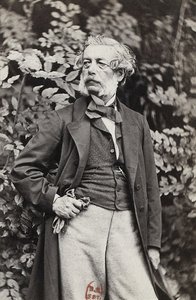
Franz Xavier Winterhalter

Franz Xavier Winterhalter

1805 - 1873, Germany

Quick facts about Franz Xavier Winterhalter

  • Full Name: Franz Xaver Winterhalter
  • Nationality: German
  • Date Of Birth: 1805
  • Date Of Death: 1873
  • Place Of Birth: Menzschenswand, Germany
  • Notable Artworks:
    • Empress Eugenie...
    • Florinda
    • Il dolce farniente
    • Queen Victoria (1843)
  • Artistic Movement Or Style: Romanticism, portraiture
  • Artists Who Influenced This Artist:
    • Peter von Cornelius
    • Joseph Karl Stieler

Artist Biography

A Painter of Kings and Queens: The Life and Art of Franz Xaver Winterhalter

Born in the secluded Black Forest village of Menzenschwand in 1805, Franz Xaver Winterhalter ascended from humble beginnings to become one of Europe’s most sought-after portraitists. His story is not merely that of an artist achieving technical mastery, but of a man who captured an era – the age of burgeoning Romanticism giving way to Victorian propriety and imperial grandeur. The son of a farmer and resin producer, Winterhalter's early life was steeped in the rhythms of rural Germany, yet his artistic inclinations quickly set him apart. A strong family bond, particularly with his painter brother Hermann, nurtured his creative spirit, while formal training at a Benedictine monastery and later under Karl Ludwig Schüler in Freiburg provided foundational skills in drawing and engraving. This initial grounding proved crucial as he transitioned to Munich, securing support from Baron von Eichtal and eventually studying at the Academy of Arts, though finding its academic rigidity somewhat stifling. It was Joseph Karl Stieler, a master of fashionable portraiture, who truly guided his development during these formative years.

From Karlsruhe to Parisian Heights: Establishing a Royal Reputation

Winterhalter’s breakthrough arrived in 1828 when he became drawing master to Sophie Margravine of Baden at Karlsruhe. This appointment wasn't simply a job; it was an entry point into the intricate world of European royalty. His talent for capturing likeness and imbuing his subjects with an air of elegance quickly gained recognition, leading to commissions from Grand Duke Leopold of Baden and his wife. However, it was Paris that truly cemented Winterhalter’s fame. Arriving in the French capital in the 1830s, he skillfully navigated the artistic landscape, exhibiting genre scenes like *Il dolce Farniente* and *Il Decameron*, which showcased his academic training while hinting at a burgeoning Romantic sensibility. These works garnered critical attention, but it was his portraits that truly captivated the aristocracy. He became a favorite of King Louis-Philippe, executing over thirty commissions for the royal family and establishing himself as the go-to portraitist for those seeking to project an image of power, refinement, and dynastic legitimacy. His ability to blend realism with flattery – to present his sitters at their most idealized while remaining recognizably themselves – proved irresistible.

The Victorian Embrace: A Painter of Imperial Majesty

Winterhalter’s reputation extended beyond France, reaching the British Isles and capturing the attention of Queen Victoria. In 1841, he was summoned to England, initiating a prolific relationship that would see him create over one hundred portraits for the Royal Collection. These weren't merely official commissions; they were intimate glimpses into the lives of the royal family, often commissioned as personal gifts. His portrait of Queen Victoria in 1843, a small and exquisitely detailed work, exemplifies his ability to capture not just physical likeness but also a sense of personality and emotion. The painting, gifted by Victoria to Prince Albert, depicts the young queen with a vulnerable intimacy that belies her regal status. This success solidified Winterhalter’s position as *the* portraitist of European royalty, sought after by Empress Eugénie in France, Empress Elisabeth of Austria, and countless other noble figures. He became a master of dynastic image-making, shaping how these powerful families presented themselves to the world.

Style and Legacy: Beyond Likeness

While often criticized by artistic circles for prioritizing flattery over innovation, Winterhalter’s work holds a significant place in art history. His style is characterized by its meticulous detail, luminous color palette, and ability to capture the textures of fabrics and jewels with breathtaking realism. He skillfully blended Romantic sensibilities with Neoclassical precision, creating portraits that were both visually stunning and psychologically insightful. His paintings weren’t simply representations; they were carefully constructed narratives about power, status, and identity. Though he wasn't a revolutionary in the same vein as Delacroix or Courbet, his influence was pervasive. He established a standard for royal portraiture that endured for decades, and his works provide invaluable historical documentation of 19th-century European society. His legacy lies not just in the beauty of his paintings but also in their ability to transport us back to an era of opulent courts, intricate diplomacy, and unwavering social hierarchies. Today, his artworks continue to fascinate, offering a window into a world of elegance, ambition, and enduring artistic skill.

A Lasting Impression

Franz Xaver Winterhalter died in Frankfurt in 1873, leaving behind a vast body of work that continues to be celebrated for its technical brilliance and historical significance. His paintings can be found in prominent museums and royal collections around the world, including the National Portrait Gallery in London, the Musée d’Orsay in Paris, and Buckingham Palace.

  • His ability to capture the essence of his sitters, combined with his mastery of technique, ensured his place as a leading portraitist of his time.
  • He remains an important figure for understanding the visual culture of 19th-century Europe and the role of art in shaping perceptions of power and status.
  • His works offer a captivating glimpse into the lives of royalty and aristocracy, providing invaluable insights into their world.

Winterhalter’s story is a testament to the enduring power of portraiture – its ability to not only capture likeness but also to tell stories, shape perceptions, and leave an indelible mark on history.

Quick Facts

  • subject: Group of people in a natural setting, possibly engaged in a ritual or celebration
  • year: 1853
  • medium: Oil on canvas
  • style: Classical/Romantic

Art Quiz

There is only one correct answer for each question.

Question 1:
Who is the artist of the painting 'Florinda'?
Question 2:
In what year was 'Florinda' created?
Question 3:
What is the primary subject matter of 'Florinda'?
Question 4:
Which artistic style is 'Florinda' most associated with?