Text size

() ·

A painting made for you, by hand

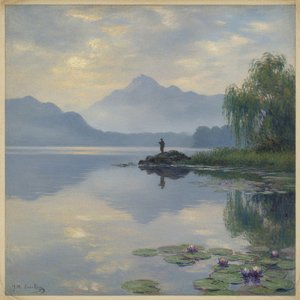
Dusk, Monte Mario, Rome

Hand Made Oil Reproduction

Hand-painted oil on canvas in your size and frame, made to order by our artists. ( Switch to Print Switch to Digital Image)

Collectible Description

Discover "Dusk, Monte Mario, Rome" by François Marius Granet – A breathtaking landscape capturing the Roman sunset's vibrant colors and serene beauty. Explore this masterpiece!

Artist Biography

Discover François Marius Granet's evocative paintings! Explore his unique tonal style & Roman-inspired works at the Musée Granet in Aix-en-Provence.

from ·

Chapter 1

How large should it be?

Slide to change the size; the picture on the left shows the frame at its real width. The proportions of the original are kept.

Standard
custom
CM
INCH

Pick from our preset sizes that match the artwork's original proportions.

width
height

Type the width and the height you need, to fit your frame or your wall. This is hand-painted, so for a size with a different shape the artist can paint a bit more around the picture, or cut a bit — you choose. We send you a digital mockup to approve before the painting starts. The picture shown on this page does not show the real result — only the mockup does.

Chapter 2

How should it arrive?

Choose the edges of the stretched canvas

Choose your frame

Corner sample of the WhiteWrap canvas edge finish, stretched on solid wood bars
White $1
Corner sample of the BlurSideWrap canvas edge finish, stretched on solid wood bars
Blurside $1
Corner sample of the ExtendedWrap canvas edge finish, stretched on solid wood bars
Extended $1
Corner sample of the P118B picture frame: moulded polystyrene, 5 cm wide and 3 cm thick
P118B $10
Corner sample of the P118H picture frame: moulded polystyrene, 5 cm wide and 3 cm thick
P118H $10
Corner sample of the P118W picture frame: moulded polystyrene, 5 cm wide and 3 cm thick
P118W $10
Corner sample of the P438Z picture frame: moulded polystyrene, 5.5 cm wide and 3.5 cm thick
P438Z $10
Corner sample of the P508JH picture frame: moulded polystyrene, 7 cm wide and 3.5 cm thick
P508JH $12
Corner sample of the P508YH picture frame: moulded polystyrene, 7 cm wide and 3.5 cm thick
P508YH $12
Corner sample of the P805H picture frame: moulded polystyrene, 5 cm wide and 3.5 cm thick
P805H $10
Corner sample of the P805Z picture frame: moulded polystyrene, 5 cm wide and 3.5 cm thick
P805Z $10
Corner sample of the P919BZ picture frame: moulded polystyrene, 7 cm wide and 3.5 cm thick
P919BZ $10
Corner sample of the P919G picture frame: moulded polystyrene, 7 cm wide and 3.5 cm thick
P919G $10
Corner sample of the P919XJ picture frame: moulded polystyrene, 7 cm wide and 3.5 cm thick
P919XJ $10
Corner sample of the P959ZH picture frame: moulded polystyrene, 5 cm wide and 3 cm thick
P959ZH $10
Corner sample of the P968JZ picture frame: moulded polystyrene, 6 cm wide and 4 cm thick
P968JZ $12
Corner sample of the W106C picture frame: solid wood, 5 cm wide and 3 cm thick
W106C $8
Corner sample of the W218G picture frame: solid wood, 5 cm wide and 3 cm thick
W218G $10
Corner sample of the W218JH picture frame: solid wood, 5 cm wide and 3 cm thick
W218JH $8
Corner sample of the W218Y picture frame: solid wood, 5 cm wide and 3 cm thick
W218Y $10
Corner sample of the W307PJ picture frame: solid wood, 6 cm wide and 3 cm thick
W307PJ $10
Corner sample of the W316G picture frame: solid wood, 6 cm wide and 3 cm thick
W316G $10
Corner sample of the W316PJ picture frame: solid wood, 6 cm wide and 3 cm thick
W316PJ $8
Corner sample of the W316Y picture frame: solid wood, 6 cm wide and 3 cm thick
W316Y $10
Corner sample of the W398PJ picture frame: solid wood, 5 cm wide and 3 cm thick
W398PJ $8
Corner sample of the W4111J picture frame: solid wood, 6.5 cm wide and 3.5 cm thick
W4111J $10
Corner sample of the W500HY picture frame: solid wood, 7 cm wide and 5 cm thick
W500HY $15
Corner sample of the W500JH picture frame: solid wood, 7 cm wide and 5 cm thick
W500JH $15
Corner sample of the W692G picture frame: solid wood, 8 cm wide and 4 cm thick
W692G $12
Corner sample of the W849H picture frame: solid wood, 5 cm wide and 3 cm thick
W849H $8
Corner sample of the W940BG picture frame: solid wood, 7.5 cm wide and 4.5 cm thick
W940BG $15
Corner sample of the W953PJ picture frame: solid wood, 6 cm wide and 3.5 cm thick
W953PJ $8
Corner sample of the H24-GOLD picture frame: carved wood with gesso, 10 cm wide and 6 cm thick
H24-GOLD $30
Corner sample of the H24-SILVER picture frame: carved wood with gesso, 10 cm wide and 6 cm thick
H24-SILVER $30
Corner sample of the H36-GOLD picture frame: carved wood with gesso, 15 cm wide and 6.5 cm thick
H36-GOLD $45
Corner sample of the H36-SILVER picture frame: carved wood with gesso, 15 cm wide and 6.5 cm thick
H36-SILVER $45
Frame preview
Framed

Moulding: . Overall size with the frame: .

Chapter 3

Who paints it, and should anything change?

Examples of what can be changed: Replace face with customer photo; Add pet (e.g., replace cat with dog); Include hidden message in background; Change background landscape or elements.
After order, OriginalUniqueArt.com team will email client for instructions and provide a mockup preview

Worldwide Delivery () in 3/4 weeks instead of standard 5 weeks. (5 November). No compromise on quality.

Chapter 4

The finishing touches

A nameplate, as in a museum?

Engraved Bronze Plaque Details

This elegant plaque features the artist's name and the title of the artwork, finely engraved for a timeless presentation.

It is made from bronze with a refined, elegant finish. The text is precisely laser-engraved for a sharp and permanent result. Measuring 9x2 cm, the plaque is compact yet easy to read. It's built to be durable and scratch-resistant, offering a professional, museum-quality look. Mounting is simple thanks to the included adhesive backing.

Transparent Acrylic Plaque Details

The plaque includes essential engraved details such as the artist's name, the title of the artwork, the date it was created, the type of media used-like oil on canvas or watercolor-a brief description of the piece, and a QR code that links to the complete artwork information.

It is crafted from clear acrylic, offering a sleek, modern appearance. The text is UV-engraved in black to ensure strong visual contrast. With a size of 10x15 cm, it ensures optimal readability. It comes equipped with two metal hooks for secure wall mounting. The plaque is designed to be weather-resistant, making it suitable for various environments, and it includes interactive features that work seamlessly with smartphone scanning.

Black Acrylic Plaque Details

This elegant plaque includes engraved information such as the artist's name, the title of the artwork, the date it was created, the type of media used (like oil on canvas or watercolor), a short description of the artwork, and a QR code for quick access to more information.

The plaque itself is made from refined black acrylic with a premium finish. The text is laser-engraved in white for high contrast and readability. Its size is 10x15 cm, designed to be easy to read. It comes with two metal hooks for professional mounting. The design is sleek and fits any interior style. It is also weather-resistant and durable, with built-in digital integration for mobile compatibility.

A protective varnish?

When do you need it?

Chapter 5

Your painting, as you ordered it

Dusk, Monte Mario, Rome

Reproduction Medium

Reproduction Size

-

Elite Senior Artist

More detail, finesse, and extra production time

-

Reproduction Frame

-

-

For artworks or reproductions larger than 105 cm (approximately 41 inches) on any side, the frame will be shipped as a kit, disassembled. This method ensures safe delivery and prevents damage during transport.

Professional assembly required - this is not a DIY product.
The kit must be assembled and the canvas stretched by an experienced professional framer, using wood glue (not supplied), a canvas stretching plier and clamps to hold the bars square while the glue dries. Incorrect assembly or uneven canvas tension can permanently damage the artwork and is not covered by our warranty.

  • All solid wood bars are included, precisely cut to size.

  • Assembled with the screws provided, plus wood glue for the corner joints, which is not supplied and must be sourced by your framer.

  • Professional tools are required and not included: a canvas stretching plier (tensioner) and clamps to hold the bars square while the glue dries.

Important:
The corner joints require wood glue, the bars must be held with clamps until the glue is fully dry, and tightening the canvas on the assembled frame requires a canvas stretching plier. None of these are included in the kit. Please arrange an experienced professional framer before ordering this size.

Nameplate

-

-

Protective Varnish

Glossy Varnish (enhances colors, protects against light/moisture)

-

Customize My Artwork

Examples of what can be changed: Replace face with customer photo; Add pet (e.g., replace cat with dog); Include hidden message in background; Change background landscape or elements.

-

Urgent

Worldwide Delivery () in 3/4 weeks instead of standard 5 weeks. (5 November). No compromise on quality.

-

Express Shipping

Worldwide Delivery () in 5 weeks. (12 November).

Included

Total Price

$ 300

Total Price $ 300

Glass option is only available in size under 110 CM

Included with every order

  • Free Worldwide Express Shipping
  • High-Quality Linen Canvas
  • Full Shipping Insurance
  • Customs Tax Refund Guarantee
  • True Color Matching Guarantee
  • 100-Day Return Policy (Defects Only)
  • 100% Money-Back Guarantee
  • Bulk Discount Offer

The Ephemeral Majesty of Twilight

François Marius Granet’s “Dusk, Monte Mario, Rome” isn't merely a landscape; it’s a captured moment, a distillation of light and atmosphere that speaks to the profound beauty of fleeting time. Painted in 1804, during the brief window after sunset when color still clings stubbornly to the sky, this work transports us to the Pincian Hill overlooking Rome, offering a vista both familiar and imbued with an almost melancholic grace. The scene unfolds before us – a cityscape bathed in the last vestiges of daylight, punctuated by the subtle forms of buildings rising from the valley below. It’s a tableau that simultaneously celebrates the grandeur of the Eternal City and acknowledges its inherent transience.

Granet's genius lies not just in his technical skill—evident in the delicate rendering of clouds and the precise depiction of architectural details—but also in his ability to evoke an emotional response. The painting isn’t a literal representation; it’s a carefully constructed memory, filtered through the artist’s sensibility. The muted palette – dominated by shades of rose, lavender, and grey – creates a sense of quiet contemplation, inviting us to linger in this moment of suspended animation. There's an almost palpable stillness, as if time itself has slowed down within the frame.

A Roman Perspective: Monte Mario and the Academy

To understand “Dusk, Monte Mario,” we must first grasp the significance of its location. Monte Mario, a small hill overlooking Rome, held a strategic importance for centuries, serving as a defensive position and later becoming the site of the Villa Medici – the seat of the French Academy in 1803. This association with the Académie Française imbues the painting with an air of intellectual curiosity and artistic patronage. Granet, a student of David at the Louvre, was deeply influenced by the Neoclassical ideals prevalent during this period, yet he possessed a unique ability to infuse his work with a distinctly Romantic sensibility.

The vantage point from the Pincian Hill – where Granet positioned himself – offered an unparalleled view of Rome. This elevated perspective allowed him to capture not only the city’s physical form but also its atmospheric qualities, creating a sense of depth and spaciousness that is characteristic of his work. The composition itself—with the cityscape receding into the distance—mirrors the classical tradition of landscape painting, while simultaneously conveying a feeling of intimacy and personal observation.

The Language of Light: Technique and Style

Granet’s mastery of light is truly remarkable. He employs a technique known as “tonalism,” characterized by subtle gradations of tone and color rather than sharp contrasts. This approach creates a remarkably luminous effect, particularly in the depiction of the sky. The clouds are rendered with an almost ethereal quality, their edges softly blurred and imbued with a delicate sheen. The artist’s use of oil on cardboard is notable; this medium allowed for a remarkable level of detail and control, enabling him to capture the nuances of light and shadow with exceptional precision.

Furthermore, Granet's style can be described as Romantic Neoclassicism – blending the structured forms and classical subject matter favored by his teacher David with the emotional intensity and atmospheric effects associated with the Romantic movement. This fusion results in a work that is both intellectually stimulating and emotionally resonant.

A Legacy of Memory: The Painting’s Journey

“Dusk, Monte Mario, Rome” holds a fascinating history, having passed through the hands of Granet's pupil, Baptistin Martin, and subsequently descended within his family. This lineage adds another layer of intrigue to the painting’s story, suggesting that it represents not just an artistic achievement but also a cherished heirloom—a tangible link to a bygone era. The work is now part of the Thaw Collection at the Metropolitan Museum of Art, a testament to its enduring beauty and historical significance.

Reproductions of this captivating scene offer a remarkable opportunity to bring Granet’s evocative vision into your own space. Whether adorning a grand salon or a cozy study, “Dusk, Monte Mario, Rome” serves as a poignant reminder of the fleeting nature of beauty and the enduring power of memory.

Questions & Answers

Where should a reproduction of "Dusk, Monte Mario, Rome" by François Marius Granet be hung?

The landscape format of "Dusk, Monte Mario, Rome" by François Marius Granet is recommended for a living room. Format and space together guide the placement of a reproduction.

What explains the copyright situation of "Dusk, Monte Mario, Rome" by François Marius Granet?

"Dusk, Monte Mario, Rome" by François Marius Granet is in the public domain - its copyright has expired. Copyright duration runs from the artist's death, which occurred in 1849.

What are the medium and dimensions of "Dusk, Monte Mario, Rome" by François Marius Granet?

"Dusk, Monte Mario, Rome" was made in oil on paper and measures 20 x 31 cm in its original form.

More about this painting

Preview AR preview Switch to Print Switch to Digital Image Send
Details Guide Add to favorites Download Similars X-Ray Diaporama Q&A Stats

In numbers

  • 1804the year it was painted
  • 29frames to choose from
  • standard sizes, in its own proportions
  • 5weeks to paint and deliver it
François Marius Granet

François Marius Granet

1775 - 1849, France

Quick facts about François Marius Granet

  • Full Name: François Marius Granet
  • Nationality: French
  • Date Of Birth: 1775
  • Date Of Death: 1849
  • Place Of Birth: Aix-en-Provence, France
  • Notable Artworks:
    • Chœur des Capucins
    • Stella painting a Madonna
    • Sodoma à l'hôpital
    • Rachat de prisonniers
    • Mort de Poussin
  • Artistic Movement Or Style: Tonal Painting
  • Artists Who Influenced This Artist: ['David']

Artist Biography

Early Life and Artistic Beginnings

François Marius Granet, born in Aix-en-Provence on December 17, 1775, emerged from humble beginnings. His father was a modest builder, a life far removed from the world of art that would ultimately consume his son’s passions. Even as a young boy, Granet possessed an intense artistic drive, prompting his parents to seek instruction for him—first from a passing Italian artist and then at a free school directed by M. Constantin, a respected landscape painter. This early exposure laid the foundation for his future endeavors, though it was his experiences during the tumultuous years of the French Revolution that would first shape his artistic vision. In 1793, Granet joined the volunteers of Aix at the siege of Toulon, not as a soldier but as a decorator in the arsenal. This period provided him with practical skills and a firsthand glimpse into the realities of conflict—a theme that would subtly permeate his later work. A pivotal encounter with the young Comte de Forbin proved transformative; upon Forbin’s invitation, Granet journeyed to Paris in 1797, entering the prestigious studio of Jacques-Louis David.

The Studio of David and the Capuchin Monastery

David's rigorous neoclassical style initially influenced Granet, but he soon began to forge his own path. He secured a cell within the former Capuchin monastery—a space once used for printing revolutionary assignats—which had become a haven for artists. It was here, amidst the play of light and shadow in the ancient corridors, that Granet conceived what would become his life’s defining work: “The Choir of the Capuchins.” He dedicated himself to this painting with unwavering commitment, revisiting and refining it repeatedly over decades. The monastery itself became more than just a studio; it was an environment that profoundly impacted his artistic sensibility. Unlike many of his contemporaries who focused on grand historical narratives or portraits of the elite, Granet found beauty and meaning in the quiet austerity of monastic life, exploring the interplay between architecture, light, and human presence. This focus wasn’t merely aesthetic; it reflected a deeper interest in spirituality and the passage of time.

Roman Years and the Development of Tonal Painting

In 1802, Granet embarked on an extended sojourn to Rome, a period that proved crucial to his artistic maturation. He remained there until 1819, immersing himself in the classical heritage of the city and absorbing its atmosphere of grandeur and decay. It was during these years that he fully developed his distinctive tonal style—a technique characterized by subtle gradations of light and shadow, emphasizing atmospheric effects over precise detail. His Roman paintings, such as “Stella Painting a Madonna on his Prison Wall” (1810) and “Sodoma at the Hospital” (1815), demonstrate this evolving approach. He wasn’t interested in recreating historical events with photographic accuracy; instead, he sought to capture the emotional resonance of a scene through carefully orchestrated tones and compositions. The figures within his works often appear integrated into the architectural setting, almost as if they are extensions of the stone and plaster around them. This emphasis on tone became his signature, distinguishing him from other artists of the period.

Later Career and Legacy

Upon returning to Paris in 1819, Granet continued to refine his unique style, producing a series of significant works including “Basilica Basse di St François d'Assise” (1823) and “The Redemption of Prisoners” (1831). He was appointed director of the Académie de France in Rome in 1829, a testament to his growing reputation. His paintings consistently prioritized atmosphere and emotional depth over narrative clarity. Even works with historical or religious themes—like "Death of Poussin" (1834)—were treated as opportunities to explore tonal effects and architectural space. Granet’s dedication to tone sometimes drew criticism; some found his work lacking in dramatic intensity, but he remained steadfast in his artistic vision. He was a master of creating mood and evoking a sense of quiet contemplation. François Marius Granet died in 1849, leaving behind a body of work that continues to captivate viewers with its subtle beauty and unique sensibility. His influence can be seen in the later works of artists who explored similar themes of spirituality, atmosphere, and the interplay between light and architecture. The Musée Granet in Aix-en-Provence, established after his death, serves as a lasting tribute to his life and artistic achievements, housing many of his most important paintings and offering visitors a glimpse into the world of this remarkable French painter.

Quick Facts

  • Artist: François Marius Granet
  • Location: The Morgan Library & Museum
  • Movement: Roman School
  • Dimensions: 8 x 12.5 in (203 x 311 mm)
  • Year: 1804
  • Influences:
    • David
    • Capuchin monks

Art Quiz

There is only one correct answer for each question.

Question 1:
What is the primary subject depicted in ‘Dusk, Monte Mario, Rome’?
Question 2:
According to the description, how quickly could François Marius Granet have completed this painting?
Question 3:
Where are most of François Marius Granet’s oil studies located?
Question 4:
What architectural feature is prominently featured in the painting’s foreground?
Question 5:
What is the significance of the descent of the sun in this painting?