
 Preview
 Send
Send Share
Share
 Details

 Download
 Similars
 X-Ray
X-Ray Diaporama
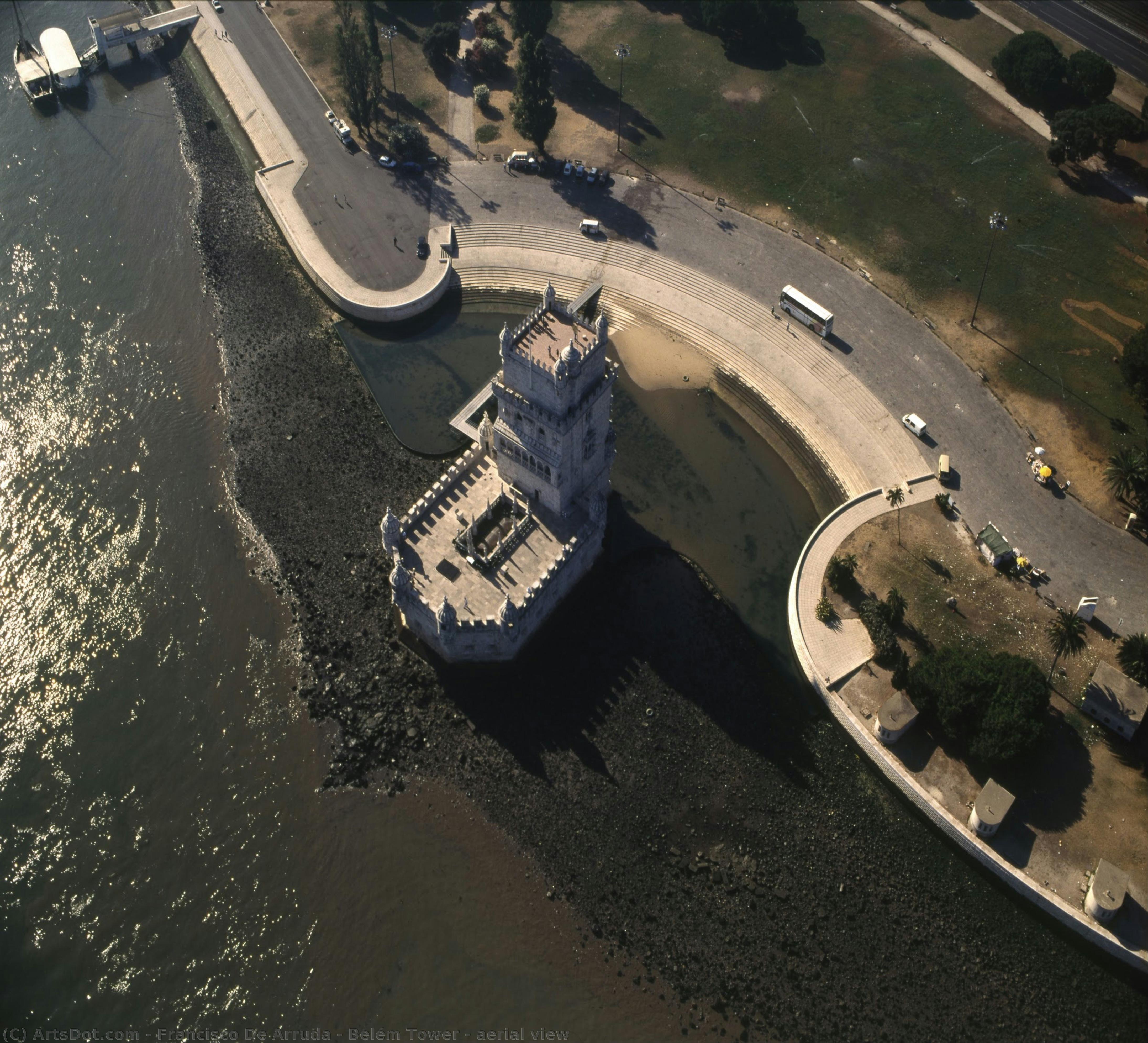
Belém Tower - aerial view


 Read More
Giclée / Art Print
Museum-quality giclée or canvas print with fast production and flexible finish options. ( Buy Hand Made Painting Buy Image)




































Pick from our preset sizes that match the artwork's original proportions.

You may enter your own dimensions to fit a specific frame or space. If your selected size does not match the original image's proportions, we will either crop the artwork or extend the image with a mirrored or solid-fill edge. A digital mockup will be sent for your approval before production begins.
Please note that the on-screen preview does not reflect the actual cropping or extension. Only the mockup will accurately show the final composition.
While custom sizes are available, we recommend selecting a dimension from the predefined list to preserve the original proportions.
Worldwide Delivery () in 2 weeks instead of standard 4/5 weeks. (13 August)

Free Worldwide Express Shipping

High-Quality Linen Canvas

Full Shipping Insurance

Customs Tax Refund Guarantee

True Color Matching Guarantee

60-Day Return Policy (Defects Only)

100% Money-Back Guarantee

Bulk Discount Offer
 Glass option is only available in size under 110 CM

Belém Tower - aerial view
Giclée / Art Print
Reproduction Size
-


Total Price
$ 81
Collectible Description
Artist Biography
The Architect of Portugal’s Golden Age
Francisco de Arruda stands as a pivotal figure in the grand tapestry of Portuguese architectural history, a master builder whose hands helped shape the very identity of a nation at the height of its maritime dominion. Emerging during the sixteenth century, Arruda became one of the most influential proponents of the Manueline style—a uniquely opulent and exuberant fusion of Gothic grandeur and Renaissance humanism. This aesthetic, characterized by intricate ornamentation and naturalistic motifs, served as a visual language for Portugal’s Age of Discovery, reflecting the wealth, power, and global reach of the Portuguese crown under King Manuel I.
Born into a noble family steeped in architectural tradition, Francisco was not an isolated talent but part of a formidable lineage of creators. He was the younger brother of the celebrated architect Diogo de Arruda, and together with their father, Miguel de Arruda, they formed a familial nucleus of craftsmanship. This shared heritage ensured that the brothers would become instrumental in transforming the Portuguese landscape. While much of his early life remains shrouded in the mists of history, it is believed he hailed from the Alentejo region, a territory where many of his most enduring structural legacies still stand as silent witnesses to his genius.
A Legacy Carved in Stone and Sea
The true brilliance of Francisco de Arruda lies in his ability to synthesize disparate cultural influences into a cohesive, breathtaking whole. His work was deeply informed by the soaring arches of the Gothic tradition, yet it breathed with the new, humanist ideals emerging from Italy. Furthermore, his travels to North Africa to construct fortifications in Morocco introduced a subtle Moorish influence to his repertoire, adding a layer of complexity and exoticism to his designs. This ability to blend local traditions with international currents allowed him to create structures that were both profoundly Portuguese and cosmopolitically aware.
His most enduring achievement, and perhaps the most iconic symbol of Portugal’s maritime soul, is the Belém Tower in Lisbon. Constructed between 1514 and 1519, this UNESCO World Heritage Site is a masterpiece of military architecture and decorative art. In the tower's stone carvings, one can observe the quintessential elements of the Manueline style: maritime symbols, ropes, and organic forms that evoke the spirit of the great explorers who departed from these very shores. Beyond this monumental fortification, his hand can be seen in several other vital structures:
- The Belém Tower: A breathtaking sentinel of the Tagus River, embodying the strength and elegance of the Portuguese maritime empire.
- Aqueduto da Água de Prata: An impressive feat of engineering in Évora that demonstrates his mastery over large-scale hydraulic architecture.
- Fortifications of the Alentejo: His early work repairing the forts at Moura, Mourao, and Portel, which laid the foundation for his reputation as a premier military architect.
- Church of Nossa Senhora da Assunção: A significant religious structure in Elvas that showcases his ability to blend sacred space with architectural grandeur.
The Enduring Echo of a Master
Though Francisco de Arruda passed away on November 30, 1547, his influence did not vanish with his death. His architectural language paved the way for future generations, including his son Miguel de Arruda, who carried the family's tradition of building into the colonies of Brazil and Mozambique. The structural innovations introduced by Francisco helped cement Portugal's reputation as a beacon of artistic innovation in Europe, creating a lasting aesthetic that remains inseparable from the nation's historical identity.
To study the works of Arruda is to walk through the very heart of the Portuguese Renaissance. His buildings are more than mere stone and mortar; they are poetic expressions of an era defined by curiosity, courage, and conquest. Through his mastery of the Manueline style, he captured the ephemeral glory of the Age of Discovery and rendered it permanent, ensuring that the spirit of Portugal's golden age would endure long after the great caravels had returned to port.

francisco de arruda
1547 , Portugal
Quick Facts
- Artistic Movement Or Style: Manueline
- Artists Or Movements Influenced By This Artist: ['Italian Renaissance']
- Artists Who Influenced This Artist:
- Diogo de Arruda
- Benedetto da Ravenna
- Date Of Death: 1547
- Full Name: Francisco de Arruda
- Nationality: Portuguese
- Notable Artworks:
- Belém Tower
- Bulwark (interior)
- Cloister of Tomar
- Place Of Birth: Lisbon, Portugal



