

 Preview
 Send
Send Share
Share
 Details
 Guide
Guide

 Download
 Similars
 X-Ray
X-Ray Diaporama
 Stats
StatsSphinx III
 Oil On Canvas
- WallArt
- Expressionism
 1954
1954- Modern
 199.0 x 137.0 cm
 Read More
Purchase a high-resolution, enhanced digital image, far superior to the online preview.
Each file is meticulously prepared by our in-house specialists using advanced tools and expert manual retouching. We ensure every image has exceptional clarity, precise color accuracy, and fine detail.
The final file is delivered via email within 72 hours, optimized for immediate use in professional, editorial, and print environments. This is the same quality trusted by top-tier design studios, publishers, and galleries.
Digital Image
Download a high-resolution file for personal display, printing, and creative projects. ( Switch to Print Buy Hand Made Painting)
Included in Every Digital Image Order
Expert Digital Delivery, Guaranteed
When you choose OriginalUniqueArt.com, you're not just getting an image - you're receiving a professionally enhanced digital artwork, crafted with precision and backed by a satisfaction guarantee. Here's everything that comes with your order, automatically:

Fast Email Delivery
Your high-resolution digital image file will be emailed to you within 72 hours of ordering - ready for immediate use.

AI-Enhanced Digital File
Your artwork is professionally optimized using advanced AI tools and manual editing, ensuring maximum detail, clarity, and color accuracy.

Free Lifetime Re-Delivery
Accidentally deleted or lost your file? No worries - we'll resend it to you anytime, free of charge.

No Import Fees - Ever
Enjoy your artwork instantly with zero customs, duties, or delivery fees - digital downloads are always tax-free.

Color Accuracy Guarantee
We ensure your digital image reflects the original colors as closely as possible using professional tools and color management.

100-Day Satisfaction Guarantee
If you're not satisfied with your digital image, we'll revise it or refund 100% within 100 days - no questions asked.

100% Money-Back Guarantee
Not satisfied? Get a full refund within 100 days of receiving your digital file - no questions asked.

Bulk Order Discounts
Buy 3 images, save 10% - Buy 5, save 15% - Buy 10+, save 20%. Great for creative projects, galleries, and agencies.
A Descent into Shadow: Francis Bacon’s *Sphinx III*
Francis Bacon, a name synonymous with unsettling beauty and profound psychological depth, possessed an extraordinary ability to distill the anxieties of modern existence onto canvas. His work isn't merely representation; it’s an excavation of the human psyche, rendered in visceral strokes and haunting color palettes. *Sphinx III*, created in 1954 and currently residing within the National Portrait Gallery in the United States, exemplifies this approach with remarkable intensity. The painting immediately confronts the viewer with a blue-toned tableau – not a serene landscape, but a claustrophobic room dominated by a seated figure, its features obscured behind a mask resembling an animal’s head. This isn't a portrait of identity; it’s a suggestion of something fractured, something struggling to articulate itself. The setting, a starkly simple space with a wall and strategically placed objects – two bottles and three books – feels deliberately sparse, amplifying the sense of isolation and unease. Bacon masterfully employs light and shadow, not to illuminate but to deepen the mystery, creating an atmosphere thick with unspoken dread. It’s a scene that invites contemplation, demanding that we confront our own anxieties about selfhood and the blurring lines between reality and nightmare.Composition and Symbolism: A Labyrinth of Meaning
At first glance, *Sphinx III* appears deceptively simple – a man on a bench in a room. However, closer inspection reveals a meticulously constructed composition brimming with symbolic weight. The animal mask is the key to unlocking this complexity; it’s not merely decorative but a potent representation of primal instincts and suppressed desires. Bacon frequently used such masks in his work, suggesting a detachment from rational thought and an embrace of instinctual impulses. The seated figure itself embodies vulnerability and power simultaneously – slumped forward, almost defeated, yet retaining a defiant stillness. The placement of the bottles and books adds layers to this interpretation. They could represent the futile attempts at intellectual or emotional fulfillment, objects that fail to satisfy the underlying hunger for connection and meaning. The room, with its stark geometry, feels like a psychological space – a contained environment reflecting the internal struggles of the subject. It’s a deliberate echo of the labyrinthine nature of the human mind, where paths twist and turn, leading to unexpected and often unsettling discoveries.Bacon's Technique: Light, Texture, and the Language of Pain
Francis Bacon’s artistic technique is instantly recognizable – characterized by loose, gestural brushstrokes that convey a sense of urgency and raw emotion. In *Sphinx III*, this is particularly evident in the handling of the paint. The blue tones dominate, creating a somber mood, but within this darkness, Bacon introduces subtle shifts in color and texture. He employs a technique reminiscent of his earlier works, notably *Figure with Meat* (1954), where he masterfully manipulates light and shadow to create a disturbing sense of volume and physicality. The figures aren’t rendered realistically; they are distorted and fragmented, reflecting the fractured nature of the subject's psyche. Bacon’s use of impasto – applying paint thickly – adds a tactile quality to the canvas, inviting the viewer to almost feel the weight and tension of the scene. The overall effect is one of intense physicality, as if the painting itself is writhing with suppressed emotion.Cultural Echoes: The Sphinx and the Universal Quest for Identity
Bacon’s choice of the sphinx as a central motif isn't arbitrary; it taps into a rich vein of cultural symbolism. The sphinx, originating in ancient Egypt, represents both wisdom and danger – a guardian of sacred knowledge who demands an answer to a riddle. The animal mask immediately connects *Sphinx III* to this mythological figure, suggesting a struggle for understanding and the potential consequences of failing to grasp fundamental truths. Interestingly, Bacon’s use of tartan patterns—a motif strongly associated with Scotland—adds another layer of complexity. While traditionally linked to national identity, tartan has also appeared in various forms across different cultures, including Japanese kōshi fabrics and Russian textiles. This cross-cultural influence highlights the universal appeal of geometric designs and their ability to evoke a sense of mystery and intrigue. Ultimately, *Sphinx III* speaks to a fundamental human concern: the search for identity within a world filled with uncertainty and ambiguity—a quest that resonates across cultures and throughout history.For those seeking a deeper understanding of Francis Bacon’s work or exploring the evocative power of light in painting, we encourage you to examine Figure with Meat and Light in Painting.
Questions & Answers
How do medium and movement combine in "Sphinx III"?
"Sphinx III" is made in oil on canvas, in the Expressionism style.
What is "Sphinx III" made with?
The medium of "Sphinx III" by Francis Bacon is oil on canvas. Reproductions aim to render the appearance of this technique.
How does the style of "Sphinx III" relate to its creator's era?
"Sphinx III" belongs to the Expressionism movement, and its creator worked in the Modern era.
Artist Biography
The Brutality of the Human Image
To look at a Francis Bacon canvas is to encounter a direct assault on the nervous system. He did not seek to decorate; he sought to capture the raw, often terrifying reality of existence through a distinctive and disturbing realism. While his contemporaries drifted toward the safety of abstraction, Bacon anchored himself in the human form, though he stripped that form of any dignity or comfort. His work functions as a visceral response to the mid-twentieth century, translating anxiety and physical vulnerability into smeared, violent colors and contorted limbs.
The power of his imagery stems from a refusal to look away from degradation. He utilized oils with a fluidity that allowed for the depiction of flesh that seems to be dissolving or bruising under pressure. By placing figures within geometric structures—transparent cages or architectural space-frames—he forced a sense of claustrophobia upon the viewer. These frames were not mere compositional tools; they were devices to concentrate the image and trap the subject in a state of permanent isolation.
A Life of Displacement and Design
Bacon’s path to the canvas was far from academic. Born in Dublin, Ireland, his early years were marked by instability and a difficult relationship with his parents. He moved through London, Berlin, and Paris, living a life that was often as turbulent as his later paintings. Before he was recognized as a painter, he worked as an interior designer and decorator. This period of his life produced tangible, structured objects:
- Royal Wilton rugs featuring abstract motifs.
- Cocktail shelves and room screens with geometric silhouettes.
- Calfskin pouffes and tubular steel furniture.
This background in design provided a structural foundation that would later manifest in his use of cubic, architectural framing. He was a self-taught artist who bypassed the traditional art school route, instead absorbing influences through direct observation and chance encounters. His transition from decorator to painter was catalyzed by seeing Picasso’s work in Paris, which revealed the possibilities of using organic, bone-like structures to distort the human image.
The Mechanics of Terror
Bacon’s visual language was built from a specific set of cinematic and classical references. He did not invent his horrors in a vacuum; he reconfigured existing imagery to suit a more primal purpose. The screaming face, a recurring motif, finds its roots in the visceral imagery of Sergei Eisenstein's film Battleship Potemkin. Similarly, his fascination with the distortion of the body was informed by the works of Picasso and the studies of motion by Eadweard Muybridge.
His most famous reinterpretations involved taking established authority and breaking it. In his series of works based on Velázquez’s Portrait of Pope Innocent X, he transformed a dignified papal figure into a nightmarish, screaming specter. He used the concept of the crucifixion not as a religious statement, but as an armature to hang sensations of suffering. This approach allowed him to explore universal themes of mortality and the human condition without the distraction of spiritual solace.
The Final Verdict
Bacon’s significance lies in his ability to confront the darker corners of the soul with brutal honesty. He rejected the polished beauty of traditional portraiture in favor of an unflinching portrayal of agony and isolation. His later works, while often utilizing lighter colors, maintained this core intensity, focusing on the psychological weight of his subjects, including his lover George Dyer. He remains a central figure because he provided a visual language for the twentieth century's deepest anxieties, ensuring that the image of the suffering human remains impossible to ignore.
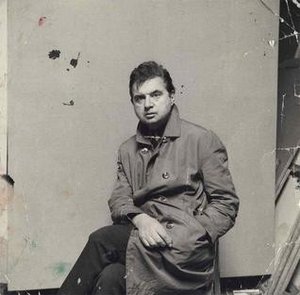
Francis Bacon
1909 - 1992 , Ireland
Quick Facts
- Artistic Movement Or Style: Expressionism, Cubism, Surrealism
- Artists Or Movements Influenced By This Artist: ['Post-War Expressionism']
- Artists Who Influenced This Artist:
- Pablo Picasso
- Egon Schiele
- Diego Velázquez
- Sergei Eisenstein
- Full Name: Francis Bacon
- Nationality: Irish/British
- Notable Artworks:
- Three Studies for Figures at the Base of a Crucifixion
- Study After Velázquez’s Portrait of Pope Innocent X
- Place Of Birth: Dublin, Ireland
- Date Of Birth: 1909
- Date Of Death: 1992