Send
Send Share
Share
 Details
 Guide
Guide

 Download
 Similars
 Diaporama
 Q&A
Q&A Stats
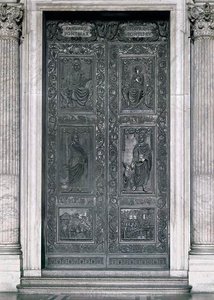
StatsBronze door (detail)


 Read More
Giclée / Art Print
Museum-quality giclée or canvas print with fast production and flexible finish options. ( Buy Hand Made Painting Switch to Digital Image)




































Pick from our preset sizes that match the artwork's original proportions.

Type the width and the height you need, to fit your frame or your wall. A print can only be cut, never made bigger than the picture, so a size with a different shape loses a part of the image. We send you a digital mockup to approve before we print anything. The picture shown on this page does not show the real cut — only the mockup does.
Worldwide Delivery () in 2 weeks instead of standard 4/5 weeks. (1 November)

Free Worldwide Express Shipping

High-Quality Linen Canvas

Full Shipping Insurance

Customs Tax Refund Guarantee

True Color Matching Guarantee

100-Day Return Policy (Defects Only)

100% Money-Back Guarantee

Bulk Discount Offer
 Glass option is only available in size under 110 CM

Bronze door (detail)
Giclée / Art Print
Reproduction Size
-


Total Price
$ 81
A Glimpse into Sacred Grandeur: The Bronze Door Detail
To stand before this fragment of the Bronze Doors of St. Peter's Basilica is to encounter history rendered in immutable metal. This exquisite detail, crafted by Filarete in 1433, does not merely depict a scene; it encapsulates an entire epoch—the breathtaking transition from the soaring spirituality of the Gothic age into the burgeoning humanism of the Renaissance. The sheer density of life captured here is overwhelming, drawing the viewer into a meticulously orchestrated narrative where every fold of drapery and every gesture holds profound meaning. One feels the weight of centuries pressing down, yet simultaneously lifted by the divine energy radiating from the central figures.
Mastery in Metal: Technique and Texture
The medium itself speaks volumes about human ingenuity. This is a bronze relief sculpture, a testament to the lost-wax casting technique—a process demanding unimaginable skill, where molten metal was poured into molds derived from painstaking initial models. Observe how the artist has manipulated the material; the texture shifts constantly, moving from the cool, deep shadows pooled in recessed architectural niches to the brilliant, almost living highlights catching the light on polished surfaces. The lines are breathtakingly fine, defining musculature and the delicate fall of robes, while the interplay between organic human forms and rigid geometric architecture creates a dynamic tension that defines early Renaissance craftsmanship.
The Tapestry of Symbolism and Narrative
At its heart lies a profound religious narrative. While the specific iconography invites deep scholarly study, the emotional resonance is immediate: reverence, piety, and awe. The composition is not simply decorative; it is didactic. Figures—saints, angels, and perhaps allegorical virtues—are arranged in layers that suggest both heavenly hierarchy and earthly participation. The central grouping draws the eye inexorably toward a focal point of divine authority. These figures are caught mid-action, engaged in moments of spiritual revelation, inviting the modern viewer to pause their hurried pace and contemplate the eternal truths embedded within the bronze.
Echoes for the Modern Sanctuary
For those who seek to infuse a space with unparalleled depth and historical gravitas, this piece offers an unmatched connection to artistic heritage. While its original context was monumental—the entrance to one of Christendom's holiest sites—its reproduction allows that sacred grandeur to permeate a private chapel, a grand hall, or a collector’s study. The interplay of dark bronze tones against ambient light ensures that the artwork remains captivating regardless of the surrounding décor. It is not merely ornamentation; it is an heirloom narrative, promising conversations about art history and enduring faith for generations to come.
Questions & Answers
Where and for what purpose is "Bronze door (detail)" recommended?
Use (accent) and space (hotel lobby) are the two recommendations recorded for "Bronze door (detail)" by Filarete.
Is "Bronze door (detail)" a famous Late Gothic Renaissance artwork?
"Bronze door (detail)" by Filarete is classified as iconic and belongs to the Late Gothic Renaissance movement.
When and with what materials was "Bronze door (detail)" made?
The medium of "Bronze door (detail)" by Filarete is sculpture bronze, and the work is dated 1433.
Artist Biography
The Dawn of a New Era: Exploring the Art of the 1400s
The fifteenth century stands as a pivotal moment in art history, a time of profound transformation where the rigid formality of the Gothic era began to yield to the burgeoning dynamism and humanism of the Renaissance. While often viewed as a singular “Renaissance,” this period was far more nuanced, unfolding differently across Europe and marked by a fascinating interplay between established traditions and revolutionary innovations. This article delves into the world of artists who shaped this transformative century, exploring their lives, works, and lasting legacy. It’s crucial to remember that labeling art movements is often an oversimplification; the 1400s witnessed a gradual shift rather than a sudden revolution, with various styles and approaches coexisting within a complex artistic landscape.Early Influences: Gothic Legacy and Emerging Styles
The artists of the early 1400s were deeply rooted in the traditions of the late Medieval period, particularly the Gothic style. Gothic art, characterized by its soaring verticality, intricate ornamentation, and emphasis on religious symbolism, provided a foundational framework for subsequent developments. However, even during this time, subtle changes were already taking place. Artists like Gentile da Fabriano (c. 1370-1427) exemplified the late Gothic style with his elaborate illuminated manuscripts and panel paintings—works like *The Carrying of the Cross* – a testament to the meticulous detail and rich color palettes characteristic of the period. Robert Campin, also known as the Master of Flémalle (ca. 1375-1444), further refined this style with his realistic depictions of everyday life within religious settings, showcasing an increasing interest in portraying human figures with greater naturalism. Simultaneously, in Northern Europe, artists like Jan van Eyck were experimenting with oil paints, a medium that would revolutionize painting techniques and allow for unprecedented levels of detail and luminosity. The influence of Byzantine art, particularly its use of gold leaf and symbolic imagery, continued to be felt throughout the century, providing a rich source of inspiration for many artists.Florentine Innovation: The Rise of Humanism
Florence emerged as the epicenter of artistic innovation during the 1400s, largely due to the patronage of wealthy families like the Medici. This city-state fostered an environment where humanist ideals—a renewed interest in classical antiquity and a celebration of human potential—were embraced by artists and intellectuals alike. Filippo Brunelleschi (1377-1446), initially known for his architectural achievements, including the innovative design of the Florence Baptistery doors, also contributed significantly to painting through his meticulous study of perspective – a technique that would become central to Renaissance art. Lorenzo Ghiberti (ca. 1378-1455) won the competition for those same Baptistery doors, demonstrating the power of artistic skill and patronage in shaping Florentine culture. Donatello (c. 1386-1466), a sculptor who profoundly influenced subsequent generations, pushed the boundaries of realism and emotional expression in his works, notably his iconic bronze statue of David – a revolutionary depiction of the biblical hero that challenged traditional notions of beauty and heroism. Masaccio (1401-1428) is considered one of the pioneers of Renaissance painting, introducing linear perspective and chiaroscuro (the use of light and shadow) to create a sense of depth and volume in his frescoes, such as those in the Brancacci Chapel.Beyond Italy: Artistic Developments Across Europe
While Florence led the charge, artistic developments were not confined to Italy. In Flanders (modern-day Belgium), artists like Jan van Eyck (c. 1390-1441) and Rogier van der Weyden (c. 1390-1464) pioneered oil painting techniques, achieving remarkable levels of detail and realism in their portraits and religious scenes. The Limbourg Brothers, working in Bruges, created exquisitely detailed illuminated manuscripts that showcased a sophisticated understanding of perspective and color theory. In Spain, artists like Pedro Berruguete (c. 1407-1463) continued to develop the Gothic style while incorporating elements of Italian Renaissance art. Throughout Europe, artists were experimenting with new materials, techniques, and subject matter, reflecting the changing social, political, and intellectual landscape of the time.Legacy and Historical Significance
The 1400s witnessed a fundamental shift in artistic thinking—a move away from purely symbolic representation towards a more naturalistic and human-centered approach. The innovations in perspective, anatomy, and color theory laid the groundwork for the High Renaissance of the following century. Artists like Donatello and Masaccio challenged established conventions and paved the way for future generations of artists to explore new possibilities. While the period was marked by continuity with the Gothic tradition, it also represented a crucial step towards the artistic achievements that would define the Renaissance—a testament to the enduring power of human creativity and innovation. The legacy of these 1400s artists continues to inspire and influence art today, reminding us of the rich and complex history of Western art.
Filarete
1400 - 1469 , Italy
Quick Facts
- Nationality: Italian
- Date Of Birth: 1400
- Date Of Death: 1469
- Place Of Birth: Florence, Italy
- Notable Artworks:
- Gentile da Fabriano's Altarpiece
- Robert Campin’s Nativity
- Artistic Movement Or Style: Early Renaissance
- Artists Who Influenced This Artist: ['Gothic artists']
- Artists Or Movements Influenced By This Artist: ['Renaissance art']
Related Articles

The Enduring Legacy of Bronze: History, Technique & Artistic Expression for the Collector
Explore the rich history & enduring appeal of bronze sculpture with expert insights for collectors at OriginalUniqueArt. Learn about casting techniques, iconic artists, and collecting tips.

The Enduring Legacy of Bronze Sculpture: A Collector's Guide to Form & Cultural Significance
Explore the rich history & enduring appeal of bronze sculpture with expert insights for collectors at OriginalUniqueArt. Learn about casting techniques, iconic artists, and collecting tips to build a discerning art collection.

Bronze Sculptures That Defined Art History | OriginalUniqueArt
Journey through art history with our Top 10 bronze sculptures! Explore masterpieces by Rodin, Michelangelo & more. Discover stories behind iconic statues and find museum-quality reproductions for your home decor at OriginalUniqueArt.com.

Bronze Age to Modern Masters: 10 Sculptures That Redefined Art | OriginalUniqueArt
Journey through art history with 10 legendary bronze sculptures – from Michelangelo's David to Rodin’s Thinker. Explore the stories, techniques & timeless beauty of these masterpieces. Find museum-quality reproductions & elevate your home decor on OriginalUniqueArt.com.

The Enduring Legacy of Bronze: A Historical & Artistic Exploration for the Collector
Explore the rich history & enduring appeal of bronze sculpture with expert insights for collectors at OriginalUniqueArt. Learn about casting techniques, iconic artists, collecting tips & contemporary interpretations.