 Preview
 Send
Send Share
Share
 Details

 Download
 Similars
 X-Ray
X-Ray Diaporama
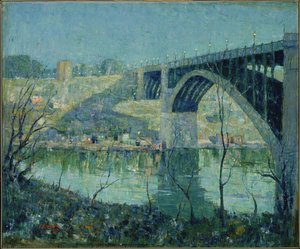
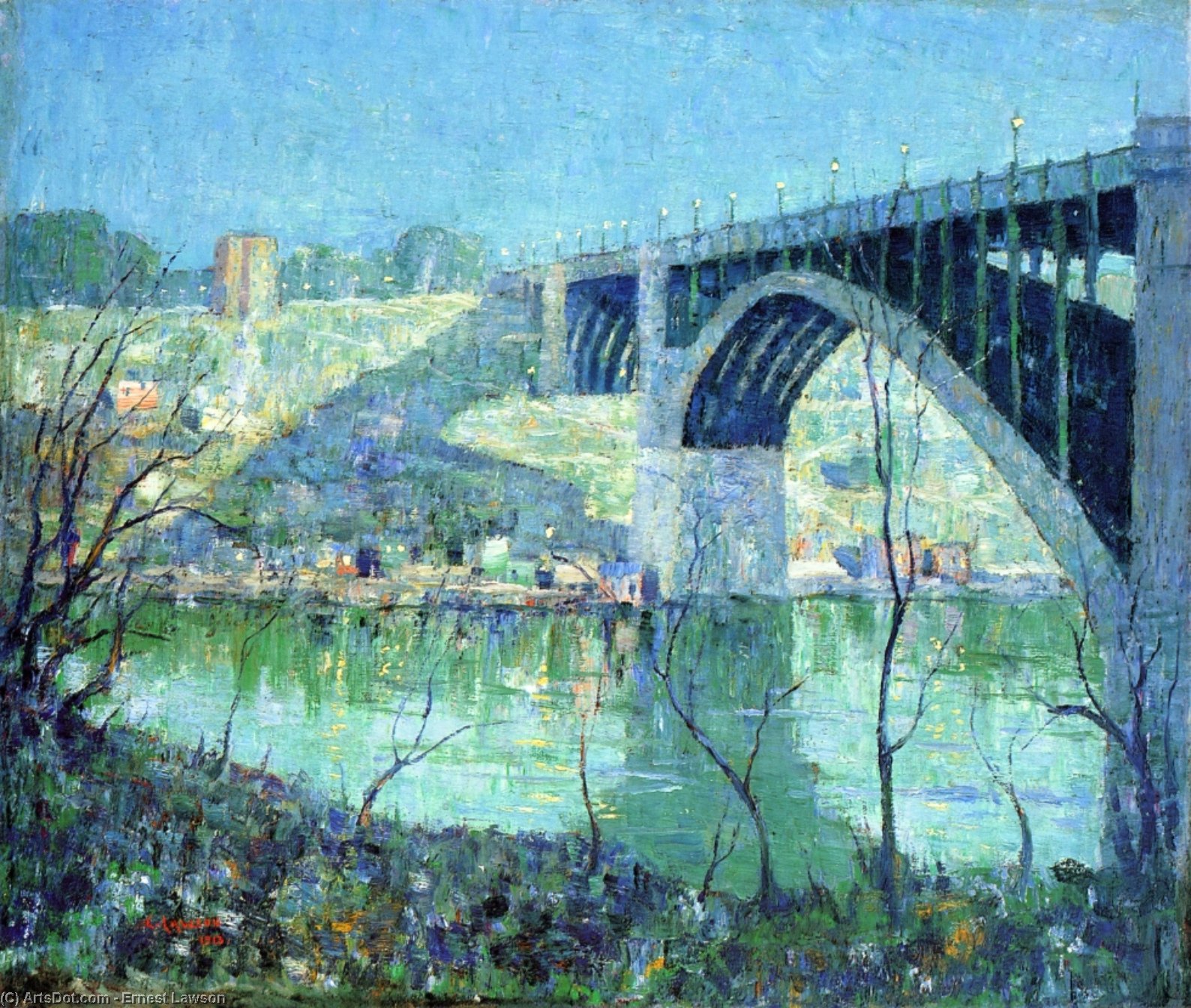
Spring Night, Harlem River


 Read More
Hand Made Oil Reproduction
Hand-painted oil on canvas in your size and frame, made to order by our artists. ( Buy Print Buy Image)




P118B $10

P118H $10

P118W $10

P438Z $10

P508JH $12

P508YH $12

P805H $10

P805Z $10

P919BZ $10

P919G $10

P919XJ $10

P959ZH $10

P968JZ $12

W106C $8

W218G $10

W218JH $8

W218Y $10

W307PJ $10

W316G $10

W316PJ $8

W316Y $10

W398PJ $8

W4111J $10

W500HY $15

W500JH $15

W692G $12

W849H $8

W940BG $15

W953PJ $8




Pick from our preset sizes that match the artwork's original proportions.

You may enter your own dimensions to fit a specific frame or space. If your selected size does not match the original image's proportions, we will either crop the artwork or extend the painting with additional hand-painted elements. A digital mockup will be sent for your approval before production begins.
Please note that the on-screen preview does not reflect the actual cropping or extension. Only the mockup will accurately show the final composition.
While custom sizes are available, we recommend selecting a dimension from the predefined list to preserve the original proportions.
After order, OriginalUniqueArt.com team will email client for instructions and provide a mockup preview
Worldwide Delivery () in 3/4 weeks instead of standard 5 weeks. (13 August). No compromise on quality.

Free Worldwide Express Shipping

High-Quality Linen Canvas

Full Shipping Insurance

Customs Tax Refund Guarantee

True Color Matching Guarantee

60-Day Return Policy (Defects Only)

100% Money-Back Guarantee

Bulk Discount Offer
 Glass option is only available in size under 110 CM

Spring Night, Harlem River
Reproduction Medium
Reproduction Size
-


Total Price
$ 300
Artwork Description
A Nocturnal Symphony on the Harlem River
In the quiet, breathing hours of a spring night, the world transforms into a stage of light and shadow, a phenomenon captured with profound sensitivity in Ernest Lawson’s Spring Night, Harlem River. Created in 1913, this masterpiece serves as a luminous window into the American Impressionist movement, inviting the viewer to step onto the arches of the Harlem River Bridge. The painting is not merely a depiction of a structural landmark; it is an atmospheric exploration of how moonlight and artificial glow dance across the urban landscape. As the bridge spans the canvas with architectural grace, Lawson utilizes a palette that balances the deep, tranquil blues of the night sky with the vibrant, flickering energy of life moving below. The presence of figures and a solitary truck provides a rhythmic pulse to the scene, suggesting that even in the stillness of the night, the city remains a living, breathing organism.
The technique employed by Lawson is a testament to his mastery of the plein air tradition. Eschewing the rigid lines of academic realism, he embraces bold, expressive brushstrokes that imbue the canvas with a palpable sense of movement and texture. Each stroke of oil on canvas works in harmony to capture the fleeting effects of light—the way a glow catches the edge of an arch or how shadows pool beneath the bridge's weight. This tactile approach creates a rich, layered surface that adds immense depth and dimension to the work. For the discerning collector or interior designer, this texture offers a sophisticated visual interest that commands attention, making it a centerpiece capable of anchoring a room with its complex interplay of light and dark.
Historically, Lawson’s work sits at a pivotal intersection of European influence and American identity. Having refined his skills in the studios of Paris and under the influence of masters like Alfred Sisley, Lawson brought a sophisticated Impressionist sensibility to the landscapes of New York. In Spring Night, Harlem River, we see this synthesis: the French focus on light and atmosphere applied to the burgeoning energy of an American metropolis. The painting evokes a sense of nostalgic serenity, yet it possesses a modern vitality that remains timeless. It is a work that speaks to the soul, offering a moment of contemplative peace while celebrating the enduring beauty found in our everyday environments.
Integrating a high-quality reproduction of this work into a curated space offers more than just decoration; it provides an emotional anchor. Whether placed in a contemporary gallery-style living room or a classic study, the painting’s cool tones and tranquil composition can evoke feelings of calm and sophistication. It serves as a conversation piece that invites onlookers to linger, much like the figures depicted on the bridge itself, lost in the quiet magic of a spring night. For those seeking to infuse their surroundings with elegance, history, and a touch of nocturnal wonder, Lawson’s vision remains an incomparable choice.
Artist Biography
early life and training
ernest lawson, a prominent figure in the american impressionist movement, was born on march 22, 1873, in halifax, nova scotia, canada. in 1888, he moved to the united states, settling in kansas city, and later, in 1891, he made his way to new york, where he enrolled in classes at the art students league. under the tutelage of john twachtman, lawson was introduced to impressionism, which would significantly influence his formative years.artistic development and influences
lawson's style, characterized by a blend of impressionism and realism, was shaped by his interactions with various artists. he studied at the académie julian in paris in 1893, where he met jean-joseph benjamin-constant and jean-paul laurens. his plein air painting experiences in southern france and moret-sur-loing, where he encountered alfred sisley, an english impressionist, further enriched his artistic perspective.the eight and notable exhibitions
in 1908, lawson joined the eight, a group of artists protesting the narrow tastes and restrictive exhibition policies of the national academy of design. this association led to a pivotal exhibition at the macbeth galleries in new york, which garnered significant media attention and sparked debate about the diversity of style and subject matter in american art.- city suburbs, one of lawson's notable works, is now part of the phillips collection in washington, d.c., showcasing his unique blend of impressionism and realism. (view at OriginalUniqueArt)
- another piece, approaching storm, also in the phillips collection, demonstrates lawson's mastery of capturing the essence of american landscapes. (view at OriginalUniqueArt)
- for more on ernest lawson and his contributions to american impressionism, visit his page on OriginalUniqueArt.
legacy and impact
lawson's understated yet vibrant style, described by art critic james gibbons huneker as originating from a "palette of crushed jewels," has left an indelible mark on american art. his participation in the eight and his unique artistic approach have made him a notable figure in the history of impressionism. key points: * born: march 22, 1873, halifax, nova scotia, canada * died: december 18, 1939 * notable works: city suburbs, approaching storm * influences: john twachtman, jean-joseph benjamin-constant, alfred sisley * association: the eight * style: blend of impressionism and realism
Ernest Lawson
1873 - 1939 , Canada
Quick Facts
- Artistic Movement Or Style: Impressionism & Realism
- Artists Or Movements Influenced By This Artist: ['The Eight']
- Artists Who Influenced This Artist:
- John Twachtman
- Alfred Sisley
- Date Of Birth: March 22, 1873
- Date Of Death: December 18, 1939
- Full Name: Ernest Lawson
- Nationality: Canadian-American
- Notable Artworks:
- City suburbs
- Approaching storm
- Place Of Birth: Halifax, Canada
Related Articles
Capturing the Light: A Journey Through the Soul of American Impressionism and the Hudson River School
Explore the luminous beauty of American Impressionism and the Hudson River School. Discover a curated journey through light, landscape, and history, celebrating the enduring legacy of masters through exquisite, hand-painted oil reproductions for the discerning art lover.

Frederick Childe Hassam: American Impressionism's Chronicler of Light & Modern Life
Explore the captivating world of Frederick Childe Hassam, a pioneer of American Impressionism. Discover his iconic paintings capturing light, urban life & coastal beauty. Learn about his legacy and influence on American art history.
Capturing the American Spirit: A Journey Through Iconic Landscapes and the Legacy of the Hudson River School
Explore the profound beauty of American art history. From the Hudson River School to iconic landscapes, discover a curated journey through the masterpieces that defined a nation's spirit and the enduring legacy of American Romanticism.
Capturing a Nation's Light: Exploring the American Impressionist Movement
Explore the captivating world of American Impressionism! Discover key artists, techniques & its lasting impact on art history. Find museum-quality reproductions and expert guidance at OriginalUniqueArt.
George Harvey: A Study in American Impressionism & the Poetics of Light
Explore the captivating world of George Harvey, a pivotal figure in American Impressionism & Luminism. Discover his stunning landscapes, artistic journey, and lasting influence on 19th-century art. Learn about provenance & appraisal.