

 Send
Send Share
Share
 Details

 Download
 Similars
 Diaporama
 Stats
StatsEx-Slave with Long Memory, Alabama


 Read More
Purchase a high-resolution, enhanced digital image, far superior to the online preview.
Each file is meticulously prepared by our in-house specialists using advanced tools and expert manual retouching. We ensure every image has exceptional clarity, precise color accuracy, and fine detail.
The final file is delivered via email within 72 hours, optimized for immediate use in professional, editorial, and print environments. This is the same quality trusted by top-tier design studios, publishers, and galleries.
Digital Image
Download a high-resolution file for personal display, printing, and creative projects. ( Switch to Print Buy Hand Made Painting)
Included in Every Digital Image Order
Expert Digital Delivery, Guaranteed
When you choose OriginalUniqueArt.com, you're not just getting an image - you're receiving a professionally enhanced digital artwork, crafted with precision and backed by a satisfaction guarantee. Here's everything that comes with your order, automatically:

Fast Email Delivery
Your high-resolution digital image file will be emailed to you within 72 hours of ordering - ready for immediate use.

AI-Enhanced Digital File
Your artwork is professionally optimized using advanced AI tools and manual editing, ensuring maximum detail, clarity, and color accuracy.

Free Lifetime Re-Delivery
Accidentally deleted or lost your file? No worries - we'll resend it to you anytime, free of charge.

No Import Fees - Ever
Enjoy your artwork instantly with zero customs, duties, or delivery fees - digital downloads are always tax-free.

Color Accuracy Guarantee
We ensure your digital image reflects the original colors as closely as possible using professional tools and color management.

100-Day Satisfaction Guarantee
If you're not satisfied with your digital image, we'll revise it or refund 100% within 100 days - no questions asked.

100% Money-Back Guarantee
Not satisfied? Get a full refund within 100 days of receiving your digital file - no questions asked.

Bulk Order Discounts
Buy 3 images, save 10% - Buy 5, save 15% - Buy 10+, save 20%. Great for creative projects, galleries, and agencies.
A Portrait Etched in Time: The Enduring Gaze of Dorothea Lange
To stand before a reproduction of Dorothea Lange’s photograph, Ex-Slave with Long Memory, Alabama, is not merely to observe an image; it is to confront history itself. This haunting black and white composition draws the viewer into a moment suspended between profound endurance and quiet dignity. The subject, an elderly woman standing alone on a dusty roadside, commands attention through her stillness. Her presence anchors the scene, suggesting a life lived through epochs of struggle, resilience, and unspoken narrative. Lange, whose lens became synonymous with documenting the American spirit during its darkest hours, captured more than just a portrait; she preserved a testament to survival.
The Weight of Memory and Place
The setting—a dirt road flanked by sparse grasses under an unknown sky—is deliberately unadorned. This stark simplicity strips away all distraction, forcing the viewer’s entire focus onto the woman herself. Her posture, aided by the cane she holds, speaks volumes without uttering a single word. The title itself, Ex-Slave with Long Memory, imbues the photograph with an immediate and weighty historical context. It suggests that her physical presence is inseparable from the vast, unwritten chapters of her past. Lange possessed an almost empathetic ability to see beyond the surface; she saw the accumulated years etched into the lines around her eyes, the quiet strength in her bearing.
Technique and Emotional Resonance
The photographic technique employed by Lange is masterful in its restraint. The high contrast inherent in black and white photography serves not as a limitation, but as an amplifier for emotion. Shadows deepen the mystery, while the bright highlights catch the texture of her dress and the gravity of her expression. For those considering this piece for a collector’s wall or a thoughtfully curated interior space, understanding this technical power is key. The reproduction allows one to own a piece where light and shadow collaborate to evoke deep contemplation. It is art that demands slow viewing, rewarding the observer with new emotional nuances upon each passing glance.
Symbolism of Resilience
The symbolism within Ex-Slave with Long Memory is deeply rooted in themes of endurance and the passage of time. The long dress, the cane, the solitary figure against an open landscape—these elements combine to form a powerful allegory for the human spirit refusing to be diminished by hardship. Her gaze, though directed outward, seems to look inward as well, suggesting a rich inner life that continues to bloom despite external devastation. It is a visual meditation on what it means to carry history within one's bones.
Bringing History Home
Owning this reproduction is an act of aesthetic reverence for the powerful narratives of human experience. It transforms a corner of your home into a gallery dedicated to empathy and fortitude. The piece does not shout its message; rather, it whispers profound truths about dignity, perseverance, and the enduring power of memory. It serves as a constant, quiet reminder that within every life story lies an epic poem waiting to be appreciated.
Artist Biography
A Life Etched in Empathy: The World Through Dorothea Lange’s Lens
Dorothea Lange, born Dorothea Margaretta Nutzhorn in Hoboken, New Jersey, in 1895, wasn't simply a photographer; she was a visual historian of the American spirit, particularly during times of profound hardship. Her life story itself held echoes of the resilience she would come to capture in her subjects. A childhood marked by polio, leaving her with a permanent limp, and the abrupt abandonment of her family by her father instilled within her an early awareness of vulnerability and displacement. These personal experiences undoubtedly shaped her empathetic approach to documenting the lives of others. Rather than succumb to a life dictated by circumstance, Lange resolutely pursued her passion for photography, studying under Clarence H. White at Columbia University and establishing herself as a portrait photographer in San Francisco during the 1920s. However, it was the seismic shift brought about by the Great Depression that would truly define her artistic trajectory.Documenting Despair: The FSA Years and the Power of Witness
The 1930s witnessed a dramatic transformation in Lange’s work. She turned her lens away from studio portraiture and towards the stark realities faced by those ravaged by economic collapse. This shift wasn't merely professional; it was deeply moral. Employed by the Resettlement Administration (RA) and later the Farm Security Administration (FSA), she embarked on a journey across rural America, documenting the plight of migrant workers, sharecroppers, and families struggling to survive. Her marriage to economist Paul Schuster Taylor proved pivotal, their collaboration blending economic data with Lange’s poignant imagery to create a powerful narrative of hardship and resilience. They traveled together extensively, particularly in California, witnessing firsthand the devastating effects of drought, displacement, and exploitation. It was during this period that she created some of her most iconic images, photographs that transcended mere documentation and became enduring symbols of an era.Migrant Mother: An Icon Forged in Compassion
Perhaps no single image is more synonymous with the Great Depression than Lange’s *Migrant Mother* (1936). The photograph, depicting Florence Owens Thompson, a destitute pea picker and her children, isn't simply a record of poverty; it’s an embodiment of human dignity in the face of unimaginable adversity. Lange didn’t merely capture a scene; she engaged with her subject, listening to Thompson’s story and establishing a connection that allowed for such raw emotional honesty to be conveyed through the image. The composition—the mother's worried gaze, the clinging children, the lines etched on her face—speaks volumes about the desperation of the times, yet also hints at an unwavering maternal strength. *Migrant Mother* became instantly recognizable, plastered across newspapers and magazines, galvanizing public support for relief efforts and solidifying Lange’s reputation as a photographer with a profound social conscience. It remains a testament to the power of photography to not only reflect reality but to shape it.Beyond the Depression: War, Remembrance, and Lasting Legacy
Lange's commitment to documenting human experience didn't end with the New Deal era. During World War II, she was commissioned by the War Relocation Authority to photograph the internment of Japanese Americans – a project that presented her with a profound moral dilemma. While fulfilling her contractual obligations, she deeply opposed the injustice of the internment and later expressed regret over her involvement, recognizing the devastating impact it had on those communities. These photographs, initially suppressed by the government, have since gained significant historical importance, serving as a stark reminder of a dark chapter in American history. In later years, Lange continued to travel with Paul Taylor, documenting cultures and traditions across Asia. Dorothea Lange died in 1965, leaving behind a body of work that continues to resonate deeply today. Her influence on documentary photography is immeasurable; she helped establish the genre as a powerful tool for social change, demonstrating the ability of images to raise awareness, inspire empathy, and ultimately, challenge injustice. Her legacy isn’t just about the photographs themselves, but about the unwavering humanism that informed her vision—a commitment to seeing and portraying individuals with dignity and respect, even in their most vulnerable moments.Influences and Enduring Impact
Lange's artistic development was shaped by several key influences. She admired the work of photographers like Clarence H. White and Arnold Genthe, learning technical skills and an appreciation for composition from them. The social realism found in the writing of John Steinbeck, particularly *The Grapes of Wrath*, also resonated deeply with her, reinforcing her belief in the importance of documenting the lives of marginalized communities. Her work, in turn, has inspired generations of photographers to use their art as a force for good. Lange’s photographs are not merely historical artifacts; they are timeless reminders of our shared humanity and the enduring power of empathy. They continue to be exhibited, studied, and celebrated, ensuring that her vision—a world seen through the lens of compassion—remains relevant and vital in the 21st century.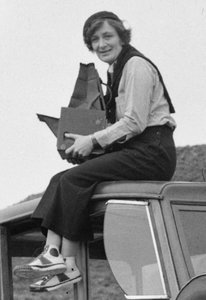
Dorothea Lange
1895 - 1965 , United States of America
Quick Facts
- Artistic Movement Or Style: Documentary photography
- Artists Or Movements Influenced By This Artist: ['Documentary photography']
- Artists Who Influenced This Artist:
- Clarence H. White
- Arnold Genthe
- Date Of Birth: May 26, 1895
- Date Of Death: October 11, 1965
- Full Name: Dorothea Lange
- Nationality: American
- Notable Artworks:
- Migrant Mother
- Forced from home
- Tractored Out
- Girl in Church
- Place Of Birth: Hoboken, USA