 Send
Send Share
Share
 Details
 Guide
Guide

 Download
 Similars
 Diaporama
 Q&A
Q&A Stats
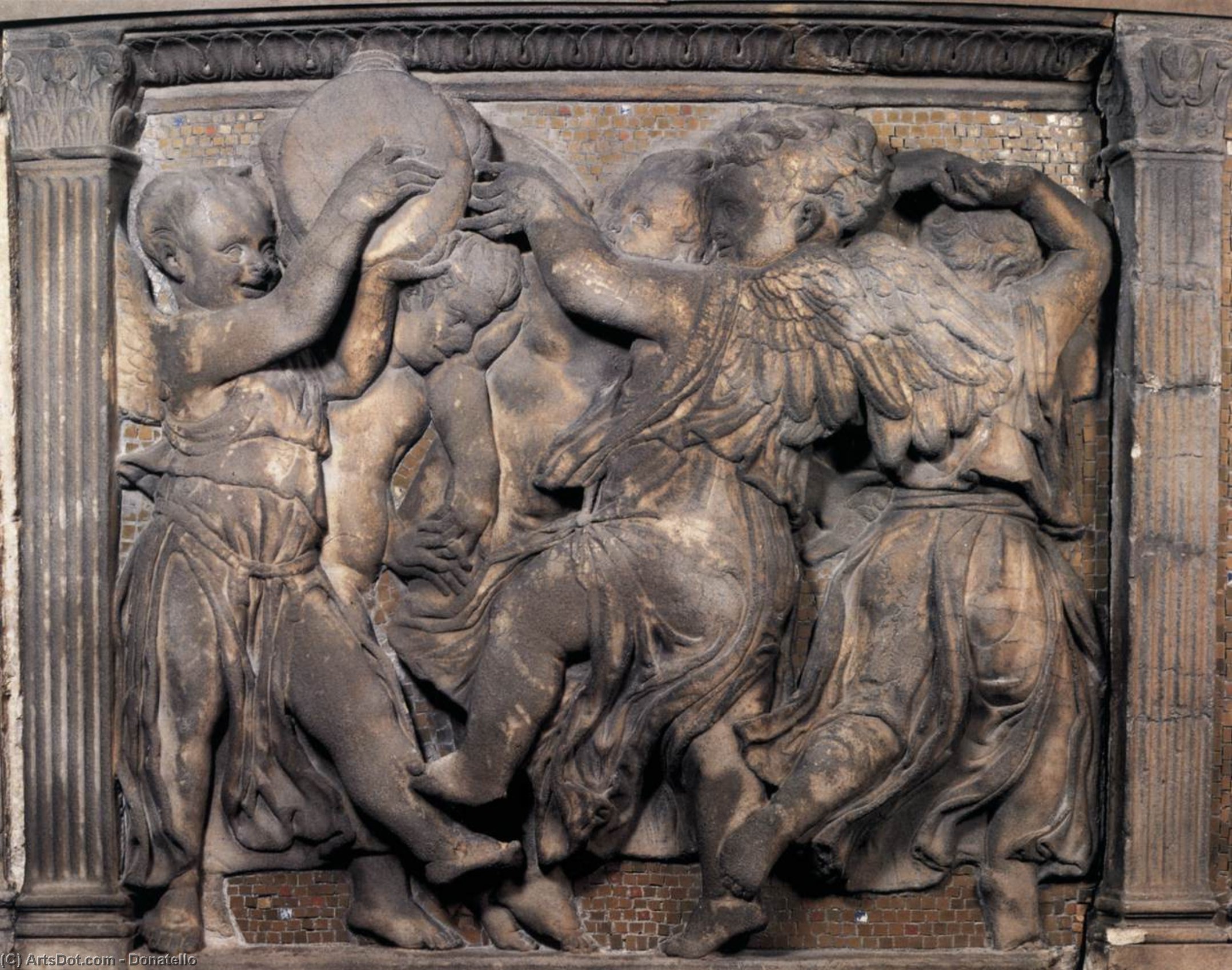
StatsPulpit (detail)

- 73.0 x 79.0 cm


 Read More
Giclée / Art Print
Museum-quality giclée or canvas print with fast production and flexible finish options. ( Buy Hand Made Painting Switch to Digital Image)




































Pick from our preset sizes that match the artwork's original proportions.

Type the width and the height you need, to fit your frame or your wall. A print can only be cut, never made bigger than the picture, so a size with a different shape loses a part of the image. We send you a digital mockup to approve before we print anything. The picture shown on this page does not show the real cut — only the mockup does.
Worldwide Delivery () in 2 weeks instead of standard 4/5 weeks. (5 November)

Free Worldwide Express Shipping

High-Quality Linen Canvas

Full Shipping Insurance

Customs Tax Refund Guarantee

True Color Matching Guarantee

100-Day Return Policy (Defects Only)

100% Money-Back Guarantee

Bulk Discount Offer
 Glass option is only available in size under 110 CM

Pulpit (detail)
Giclée / Art Print
Reproduction Size
-


Total Price
$ 81
A Study in Marble and Motion
To look closely at this detail from the pulpit is to witness a quiet revolution in stone. The marble figures emerge from their setting with a sense of weight and presence that defies the flatness of the relief. Here, we see a group of individuals caught in various states of interaction, some seated and others reclining, their limbs arranged in an intricate composition that draws the eye across the surface. There is a particular skill in how the light catches the edges of these figures, creating depth as if they are physically pushing outward from the wall itself. The material possesses a certain translucency, lending a lifelike quality to the skin and movement of the sculpted people.
The technique employed here is stiacciato, a method of extremely shallow carving that allows for a complex sense of perspective within a very thin plane. By manipulating subtle gradations of shadow, the artist suggests volume where there is almost none. This approach creates an illusion of space, making the brick-like background feel like a real architectural element supporting the weight of the figures. It is a delicate balance of precision and restraint.
The Spirit of the Early Renaissance
Created around 1438, this work belongs to a period of profound change in Florence and Prato. The sculpture reflects the transition from late Gothic decorative traditions toward the humanism of the early Italian Renaissance. While the structure itself was a collaboration involving Michelozzo, the relief work carries the unmistakable energy of Donatello’s hand. The figures are not static or idealized; they possess a raw, physical reality. You can sense the tension in their poses and the weight of their bodies as they interact with one another.
The imagery, featuring lively groups of winged dancing putti, draws inspiration from classical antiquity, specifically Roman sarcophagi. This connection to the ancient world is evident in the rhythmic, almost bacchanalian movement of the characters. There is a sense of progress in the carving, a movement that feels as though it is still unfolding before your eyes. The use of marble and mosaic tesserae in the larger structure provides a backdrop that intensifies this sense of motion, grounding these ethereal figures in a tangible, earthly reality.
Questions & Answers
How strong are the colors of "Pulpit (detail)"?
The color of "Pulpit (detail)" is muted in saturation and monochromatic in intensity.
What technique was used for "Pulpit (detail)" by Donatello?
The medium of "Pulpit (detail)" by Donatello is marble. Reproductions aim to render the appearance of this technique.
How saturated is the palette of "Pulpit (detail)"?
The palette of "Pulpit (detail)" is muted in saturation.
Artist Biography
early life and career
donato di niccolò di betto bardi, known as donatello, was born in florence, italy around 1386. he studied classical sculpture, which heavily influenced his development of an early renaissance style. this new approach to art and culture would eventually become the hallmark of the florentine renaissance.key works and innovations
donatello's most famous work, david, was the first freestanding nude male sculpture since antiquity. commissioned by the medici family, it showcased his innovative style and technical expertise. other notable works include:- st. louis of toulouse (now in the museum of the basilica di santa croce), which featured a classical frame designed by donatello.
- the sacrifice of isaac, created for the campanile of santa maria del fiore in florence, characterized by strong portrait details.
- crucifix (1425) for santa croce, which portrayed christ in a moment of agony.
artistic style and legacy
donatello's style can be divided into broad phases, beginning with the development of expressiveness and classical monumentality. his work was not immediately accepted by the community but eventually became the most popular, influencing other italian courts and european artists. key art movements:personal life and working style
donatello was known for being amiable and well-liked, but poor at the business side of his career. he tended to accept more commissions than he could handle, often completing works late or handing them over to other sculptors. notable artworks and artists:- leonardo da vinci: annunciation (detail)
- amico aspertini: statua di pan/leone che azzanna un cavallo
- michelangelo buonarroti: tondo pitt
museums and art collections:
- museo della collegiata (empoli, italy): a hidden gem of the renaissance, featuring works by francesco botticini and raffaello botticini.
- the early italian renaissance art movement

Donatello
1386 - 1466 , Italy
Quick Facts
- Full Name: Donatello di Niccolò
- Nationality: Italian
- Date Of Birth: 1386
- Date Of Death: 1466
- Place Of Birth: Florence, Italy
- Notable Artworks:
- David
- St. Louis of Toulouse
- Sacrifice of Isaac
- Crucifix
- Artistic Movement Or Style: Early Renaissance
- Artists Who Influenced This Artist: ['Classical sculpture']
- Artists Or Movements Influenced By This Artist:
- Italian Renaissance
- Early Renaissance
- Florentine Renaissance
Related Articles

Timeless Elegance: A Complete Guide to the Sublime Beauty and Artistry of Marble Sculpture
Discover the sublime beauty of marble art through an expert exploration of Renaissance and Neoclassical masterpieces. From the delicate textures of Carpeaux to the grandeur of Sansovino, immerse yourself in a guide to timeless elegance and sculptural perfection.

Bronze Sculptures That Defined Art History | OriginalUniqueArt
Journey through art history with our Top 10 bronze sculptures! Explore masterpieces by Rodin, Michelangelo & more. Discover stories behind iconic statues and find museum-quality reproductions for your home decor at OriginalUniqueArt.com.

Bronze Age to Modern Masters: 10 Sculptures That Redefined Art | OriginalUniqueArt
Journey through art history with 10 legendary bronze sculptures – from Michelangelo's David to Rodin’s Thinker. Explore the stories, techniques & timeless beauty of these masterpieces. Find museum-quality reproductions & elevate your home decor on OriginalUniqueArt.com.

The Enduring Allure of Marble in Art History: From Classical Sculpture to Modern Abstraction
Explore the captivating history of marble sculpture from ancient Greece to modern art. Discover renowned artists like Canova & Michelangelo, carving techniques, and investment insights at OriginalUniqueArt.
Mastering Dimension: An Art Historian's Guide to the Elegance of Sculptural Relief Art
Explore the profound beauty of sculptural relief art. From classical bas-relief to modern geometric textures, discover how depth and light transform spaces through an expert guide on art history and sophisticated curation for discerning collectors.