Send
Send Share
Share
 Details
 Guide
Guide

 Download
 Similars
 Diaporama
 Q&A
Q&A Stats
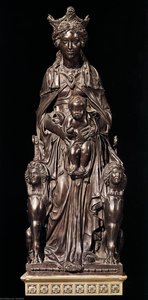
StatsCantoria (detail)


 Read More
Giclée / Art Print
Museum-quality giclée or canvas print with fast production and flexible finish options. ( Buy Hand Made Painting Switch to Digital Image)




































Pick from our preset sizes that match the artwork's original proportions.

Type the width and the height you need, to fit your frame or your wall. A print can only be cut, never made bigger than the picture, so a size with a different shape loses a part of the image. We send you a digital mockup to approve before we print anything. The picture shown on this page does not show the real cut — only the mockup does.
Worldwide Delivery () in 2 weeks instead of standard 4/5 weeks. (7 November)

Free Worldwide Express Shipping

High-Quality Linen Canvas

Full Shipping Insurance

Customs Tax Refund Guarantee

True Color Matching Guarantee

100-Day Return Policy (Defects Only)

100% Money-Back Guarantee

Bulk Discount Offer
 Glass option is only available in size under 110 CM

Cantoria (detail)
Giclée / Art Print
Reproduction Size
-


Total Price
$ 81
Donatello’s Cantoria: A Symphony of Stone and Spirit
The “Cantoria,” or Singing Gallery, crafted by the towering figure of Donatello between 1439 and 1440, isn't merely a decorative element within Florence’s Duomo; it’s an immersive experience, a testament to the Renaissance artist’s mastery of space, form, and emotion. Commissioned for the south sacristy doors, this monumental marble relief sculpture—a complex interplay of cherubic figures engaged in a vibrant, almost frenetic dance—immediately captivates with its sheer scale and dynamic composition. It's a piece that whispers tales of ancient Rome, classical ideals, and the burgeoning spirit of humanism that defined the era.
Donatello’s genius lies not just in his technical skill – evident in the incredibly detailed carving and masterful use of light and shadow – but also in his ability to imbue inanimate stone with a palpable sense of movement and life. The figures, rendered in a style deeply rooted in classical antiquity yet infused with a distinctly Florentine sensibility, are caught mid-gesture, their limbs flowing with an almost ecstatic energy. They’re not static representations; they *feel* as though they're actively participating in a joyous celebration, a moment frozen in time.
A Dialogue with Antiquity
The “Cantoria” is profoundly influenced by the artistic principles of the Roman Renaissance, particularly the work of artists like Ghiberti and Laurenzetti. Donatello meticulously studied classical sculpture, absorbing its emphasis on idealized beauty, anatomical accuracy, and dramatic narrative. However, he didn’t simply replicate these forms; instead, he adapted them to his own vision, imbuing them with a distinctly Florentine spirit. The figures' drapery, for example, is not merely functional but a dynamic element of the composition, swirling around the bodies and creating a sense of movement and volume.
The architectural context also plays a crucial role in understanding the “Cantoria.” Originally intended to adorn the doors of the south sacristy, it was designed to complement the existing architecture of the Duomo. The relief’s shallow perspective and carefully orchestrated lighting create an illusion of depth, drawing the viewer into this miniature world of dancing angels. The use of glass panels within the structure further enhanced the visual impact, creating a shimmering effect that amplified the sense of movement and energy.
Symbolism and Emotional Resonance
Beyond its technical brilliance, the “Cantoria” is rich in symbolic meaning. The cherubic figures themselves represent divine messengers, conveying a sense of joy, celebration, and spiritual ecstasy. Their youthful exuberance suggests an idealized vision of paradise, a realm of beauty and harmony. The composition as a whole can be interpreted as a metaphor for the human soul’s yearning for connection with the divine – a dance of earthly delight intertwined with heavenly grace.
Notably, the “Cantoria” was conceived in conjunction with the marriage of Ferdinando de' Medici in 1688. The structure was enlarged to accommodate a choir singing during the ceremony, highlighting its original function as a musical space. This later adaptation underscores the enduring power and versatility of Donatello’s masterpiece.
Replicas and Legacy
While the original “Cantoria” remains a treasured artifact within the Duomo Museum, high-quality reproductions offer an accessible way to experience its beauty and artistry. These meticulously crafted replicas capture the essence of Donatello's vision – the dynamic composition, the intricate detail, and the profound emotional resonance. They serve as a reminder of the enduring legacy of one of Renaissance Italy’s greatest sculptors, a testament to his ability to transform stone into a symphony of form and spirit.
Questions & Answers
What does "Cantoria (detail)" by Donatello depict, and in what mood?
"Cantoria (detail)" shows angelic figures, relief sculpture, renaissance, dynamic composition, dramatic lighting, classical art, medieval themes, intricate detail, and its recorded mood is dramatic.
What technique was used for "Cantoria (detail)", and when was it created?
"Cantoria (detail)" was made in 1439, in stone.
How do the colors of "Cantoria (detail)" by Donatello relate to its emotion?
In "Cantoria (detail)", neutrals colors accompany a dramatic feeling.
Artist Biography
early life and career
donato di niccolò di betto bardi, known as donatello, was born in florence, italy around 1386. he studied classical sculpture, which heavily influenced his development of an early renaissance style. this new approach to art and culture would eventually become the hallmark of the florentine renaissance.key works and innovations
donatello's most famous work, david, was the first freestanding nude male sculpture since antiquity. commissioned by the medici family, it showcased his innovative style and technical expertise. other notable works include:- st. louis of toulouse (now in the museum of the basilica di santa croce), which featured a classical frame designed by donatello.
- the sacrifice of isaac, created for the campanile of santa maria del fiore in florence, characterized by strong portrait details.
- crucifix (1425) for santa croce, which portrayed christ in a moment of agony.
artistic style and legacy
donatello's style can be divided into broad phases, beginning with the development of expressiveness and classical monumentality. his work was not immediately accepted by the community but eventually became the most popular, influencing other italian courts and european artists. key art movements:personal life and working style
donatello was known for being amiable and well-liked, but poor at the business side of his career. he tended to accept more commissions than he could handle, often completing works late or handing them over to other sculptors. notable artworks and artists:- leonardo da vinci: annunciation (detail)
- amico aspertini: statua di pan/leone che azzanna un cavallo
- michelangelo buonarroti: tondo pitt
museums and art collections:
- museo della collegiata (empoli, italy): a hidden gem of the renaissance, featuring works by francesco botticini and raffaello botticini.
- the early italian renaissance art movement

Donatello
1386 - 1466 , Italy
Quick Facts
- Full Name: Donatello di Niccolò
- Nationality: Italian
- Date Of Birth: 1386
- Date Of Death: 1466
- Place Of Birth: Florence, Italy
- Notable Artworks:
- David
- St. Louis of Toulouse
- Sacrifice of Isaac
- Crucifix
- Artistic Movement Or Style: Early Renaissance
- Artists Who Influenced This Artist: ['Classical sculpture']
- Artists Or Movements Influenced By This Artist:
- Italian Renaissance
- Early Renaissance
- Florentine Renaissance
Related Articles

Timeless Elegance: A Complete Guide to the Sublime Beauty and Artistry of Marble Sculpture
Discover the sublime beauty of marble art through an expert exploration of Renaissance and Neoclassical masterpieces. From the delicate textures of Carpeaux to the grandeur of Sansovino, immerse yourself in a guide to timeless elegance and sculptural perfection.
Mastering Dimension: An Art Historian's Guide to the Elegance of Sculptural Relief Art
Explore the profound beauty of sculptural relief art. From classical bas-relief to modern geometric textures, discover how depth and light transform spaces through an expert guide on art history and sophisticated curation for discerning collectors.
Timeless Grandeur: Exploring the Eternal Beauty and Art-Historical Legacy of Marble Sculpture
Explore the profound legacy of marble sculpture, from Classical antiquity to Neoclassical mastery. A definitive guide for elite collectors and designers seeking to integrate the luminous, eternal beauty of stone into sophisticated, high-end architectural spaces.

The Enduring Allure of Marble in Art History: From Classical Sculpture to Modern Abstraction
Explore the captivating history of marble sculpture from ancient Greece to modern art. Discover renowned artists like Canova & Michelangelo, carving techniques, and investment insights at OriginalUniqueArt.

Bronze Sculptures That Defined Art History | OriginalUniqueArt
Journey through art history with our Top 10 bronze sculptures! Explore masterpieces by Rodin, Michelangelo & more. Discover stories behind iconic statues and find museum-quality reproductions for your home decor at OriginalUniqueArt.com.