 Preview
 Send
Send Share
Share
 Details
 Guide
Guide

 Download
 Similars
 X-Ray
X-Ray Diaporama
 Q&A
Q&A Stats
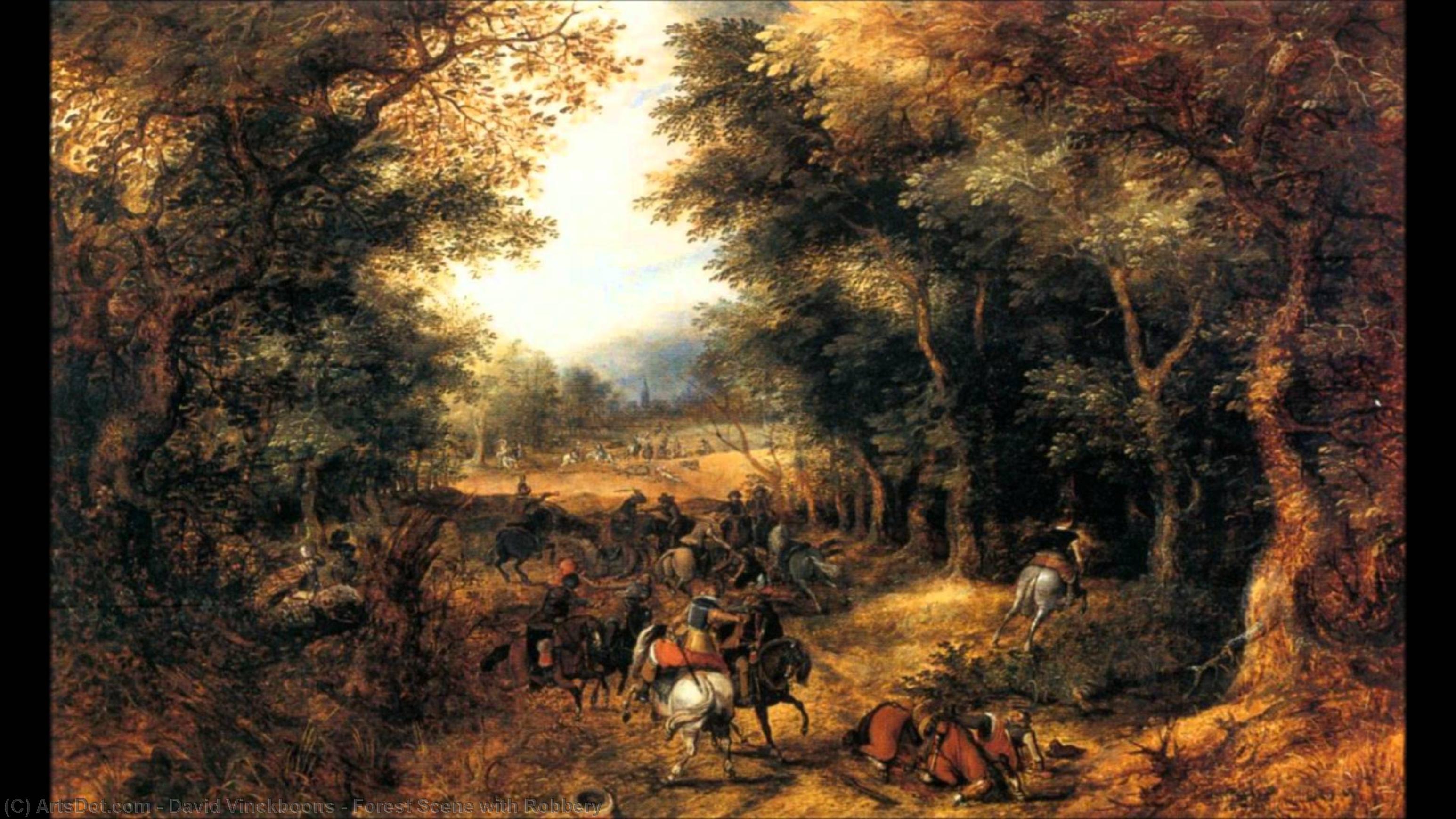
StatsForest Scene with Robbery

- 70.0 x 113.0 cm

 Read More
Giclée / Art Print
Museum-quality giclée or canvas print with fast production and flexible finish options. ( Buy Hand Made Painting Switch to Digital Image)




































Pick from our preset sizes that match the artwork's original proportions.

Type the width and the height you need, to fit your frame or your wall. A print can only be cut, never made bigger than the picture, so a size with a different shape loses a part of the image. We send you a digital mockup to approve before we print anything. The picture shown on this page does not show the real cut — only the mockup does.
Worldwide Delivery () in 2 weeks instead of standard 4/5 weeks. (10 November)

Free Worldwide Express Shipping

High-Quality Linen Canvas

Full Shipping Insurance

Customs Tax Refund Guarantee

True Color Matching Guarantee

100-Day Return Policy (Defects Only)

100% Money-Back Guarantee

Bulk Discount Offer
 Glass option is only available in size under 110 CM

Forest Scene with Robbery
Giclée / Art Print
Reproduction Size
-


Total Price
$ 81
Artist Biography
A Master of the Dutch Golden Age
The story of David Vinckboons is one woven into the very fabric of the Dutch Golden Age, a period of unparalleled artistic flourishing in the Netherlands. Born in Mechelen, in the Southern Netherlands, his early life was marked by the movement of his family through the shifting landscapes of the era, from Antwerp to Middelburg, and eventually to Amsterdam. As a prolific painter and print designer, Vinckboons occupied a vital space in the evolution of Northern European art. He was not merely a chronicler of scenes but an architect of atmosphere, capable of transforming a simple woodland or a bustling village square into a stage for profound human drama.
His artistic lineage is deeply rooted in the traditions of his predecessors. Influenced heavily by the monumental works of Pieter Bruegel the Elder, Vinckboons carried forward a visual language that blended the pastoral with the profound. Alongside contemporaries such as Hans Bol and Roelant Savery, he played an instrumental role in the development of genre painting in the northern Netherlands. His training, likely overseen by his father Philippe, instilled in him a mastery of watercolor and canvas that allowed him to navigate between delicate print designs and expansive, detailed oil compositions.
The Elegance of the Landscape and Genre
Vinckboons possessed a unique ability to marry elegant human figures with lush, immersive landscapes. He became particularly renowned for his fête champêtre—scenes of outdoor merry companies where young, elegantly clad couples sought refuge in idyllic woodland settings. In these works, one finds a recurring theme of courtship, music-making, and the simple pleasures of life, often set against backdrops that reflect the influence of Gillis van Coninxloo. His compositions were innovative for their time; while he respected the tradition of small-figured landscapes, he frequently reduced the number of figures and brought them closer to the picture plane, creating a more intimate and immediate connection with the viewer.
Beyond the idyllic, his oeuvre captured the grit and complexity of contemporary life. He was a master of depicting village festivals, known as Kermis, and the seasonal rhythms of rural existence. His paintings could shift from the lightheartedness of a summer festival to the somber reality of winter, as seen in his depictions of village life during the colder months. Furthermore, he did not shy away from more serious or biblical subject matter. From the preaching of St. John the Baptist to the poignant narratives of the Prodigal Son, Vinckboons utilized the landscape as a spiritual vessel, where the natural world served to amplify the weight of the religious or social message being conveyed.
Legacy and Artistic Significance
The historical significance of David Vinckboons lies in his role as a bridge between the late Renaissance traditions of the Southern Netherlands and the burgeoning realism of the Dutch Golden Age. His ability to navigate various themes—ranging from the pastoral and the biblical to the social and the seasonal—allowed him to become one of the most popular and sought-after artists of his era. His influence extended through his students, including figures such as Claes Janszoon Visscher, ensuring that his approach to landscape and genre painting would resonate in the generations that followed.
Though his life was marked by the political and religious upheavals of the 16th and 17th centuries, his artistic output remained a testament to the enduring power of the human narrative within the natural world. His works remain vital pieces of art history, offering a window into the social textures, the religious devotion, and the aesthetic aspirations of a transformative period in European history.

David Vinckboons
1576 - 1629 , Netherlands
Quick Facts
- Artistic Movement Or Style: Dutch Golden Age; Genre painting
- Artists Or Movements Influenced By This Artist:
- Gillis d'Hondecoeter
- Claes Janszoon Visscher
- Artists Who Influenced This Artist:
- Pieter Bruegel the Elder
- Gillis van Coninxloo
- Full Name: David Vinckboons
- Nationality: Dutch
- Notable Artworks:
- The Preaching of St John the Baptist
- The Fête Champêtre
- Blind Hurdy-Gurdy Player
- The Peasant's Misfortune
- Tobias and the Angel
- Place Of Birth: Mechelen, Netherlands
- Date Of Birth: 1576
- Date Of Death: 1629
Related Articles
19th Century Masterpieces: 10 Paintings That Defined an Era | OriginalUniqueArt
Journey through 19th century art with OriginalUniqueArt! Explore 10 iconic paintings – from Monet & Renoir to Courbet – and discover the stories behind Romanticism, Realism & Impressionism. Find museum-quality reproductions for your home decor. Explore the full collection online!

From Caravaggio to Chase: The Artistic Evolution of Vegetable Still Life Painting
Trace the evolution of vegetable still life from Caravaggio to Chase. Explore the mastery of light and texture through art history.

Flemish Artistry: From the Meticulous Realism of Van Eyck to the Baroque Drama of Rubens
Explore the evolution of Flemish art from Van Eyck to Rubens. Discover the mastery of the Old Masters today.

Flemish Mastery: The Technical Evolution from Van Eyck’s Realism to Rubens’ Baroque Drama
Explore the technical evolution from Van Eyck's realism to Rubens's Baroque drama. Trace the mastery of Flemish oil painting today.

Dutch Baroque Masters: 10 Paintings That Shaped an Era | OriginalUniqueArt
Journey through the Golden Age with our guide to the Top 10 Dutch Baroque masterpieces! Explore iconic paintings by Rembrandt, Vermeer & Frans Hals. Find museum-quality art reproductions and elevate your home decor at OriginalUniqueArt.com.