Preview
 Send
Send Share
Share
 Details
 Guide
Guide

 Download
 Similars
 X-Ray
X-Ray Diaporama
 Stats
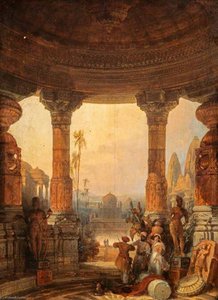
StatsThe Giudecca, Venice
 Oil On Canvas
- WallArt
- Orientalist Painting
 1854
1854 56.0 x 130.0 cm
 Yale Center for British Art
 Read More
Giclée / Art Print
Museum-quality giclée or canvas print with fast production and flexible finish options. ( Buy Hand Made Painting Switch to Digital Image)




P118B $10

P118H $10

P118W $10

P438Z $10

P508JH $12

P508YH $12

P805H $10

P805Z $10

P919BZ $10

P919G $10

P919XJ $10

P959ZH $10

P968JZ $12

W106C $8

W218G $10

W218JH $8

W218Y $10

W307PJ $10

W316G $10

W316PJ $8

W316Y $10

W398PJ $8

W4111J $10

W500HY $15

W500JH $15

W692G $12

W849H $8

W940BG $15

W953PJ $8




Pick from our preset sizes that match the artwork's original proportions.

Type the width and the height you need, to fit your frame or your wall. A print can only be cut, never made bigger than the picture, so a size with a different shape loses a part of the image. We send you a digital mockup to approve before we print anything. The picture shown on this page does not show the real cut — only the mockup does.
Worldwide Delivery () in 2 weeks instead of standard 4/5 weeks. (23 October)

Free Worldwide Express Shipping

High-Quality Linen Canvas

Full Shipping Insurance

Customs Tax Refund Guarantee

True Color Matching Guarantee

100-Day Return Policy (Defects Only)

100% Money-Back Guarantee

Bulk Discount Offer
 Glass option is only available in size under 110 CM

The Giudecca, Venice
Giclée / Art Print
Reproduction Size
-


Total Price
$ 81
A Glimpse of Venetian Grandeur: The Giudecca, Venice by David Roberts
David Roberts’s “The Giudecca, Venice” isn't merely a depiction of a cityscape; it’s a carefully constructed tableau of light, atmosphere, and the enduring spirit of a city steeped in history. Painted in 1854, during his prolific period documenting the Near East and Europe, this work offers a remarkably intimate view of Venice from across the lagoon – a moment suspended between the bustling activity of the water and the dignified solidity of the island’s architecture. Roberts, a Scottish painter celebrated for his meticulous Orientalist scenes and pioneering lithographs, masterfully captures the unique character of Venice, imbuing it with a sense of both timeless beauty and vibrant life.
The painting immediately draws the eye to the shimmering expanse of the lagoon, rendered in layers of delicate blues and greens. The water isn’t simply a backdrop; it's an active participant in the scene, reflecting the light and subtly distorting the shapes of the buildings along the Giudecca peninsula. Roberts’s brushwork is remarkably controlled – precise yet fluid – creating a sense of depth and movement that belies the static nature of a painted image. Notice how he uses broken color to suggest the play of sunlight on the water's surface, mimicking the dappled effect of light filtering through the Venetian mist.
The Painter’s Eye: Technique and Style
Roberts was known for his exceptional technical skill, honed initially through an apprenticeship as a house painter. This foundational experience instilled in him a deep understanding of color mixing, perspective, and the application of paint – qualities that are evident throughout “The Giudecca.” He employed a technique often described as ‘plein air’ painting, working directly from observation to capture the fleeting effects of light and atmosphere. His palette is rich and nuanced, favoring subtle gradations of color rather than bold contrasts. The buildings themselves are rendered with remarkable detail – the weathered facades, the intricate window frames, and the delicate tracery of the arches all testify to Roberts’s meticulous attention to detail.
The painting's style leans towards Luminism, a movement emphasizing the effects of light and atmosphere. Roberts skillfully uses highlights and shadows to create a sense of volume and depth, drawing the viewer into the scene. The composition is carefully balanced, with the buildings arranged in a harmonious sequence that guides the eye across the canvas. There’s an almost photographic quality to the image – a testament to Roberts's keen observational skills and his ability to translate what he saw onto the canvas.
A Window into Victorian Venice
“The Giudecca, Venice” was created during a period of significant change in Europe. The Industrial Revolution was transforming society, while the rise of photography challenged traditional artistic practices. Roberts’s work reflects this dynamic environment – he embraced new techniques and approaches while remaining firmly rooted in the traditions of academic painting. His travels to the Middle East had profoundly influenced his artistic vision, imbuing his paintings with a sense of exoticism and cultural awareness.
The painting offers a valuable glimpse into Venice as it existed during the mid-19th century – a city grappling with the challenges of modernity while clinging fiercely to its rich history and traditions. The presence of numerous boats, including gondolas, speaks to the vital role that water played in Venetian life. The scene is alive with activity—merchants, laborers, and residents going about their daily routines. It’s a vibrant portrait of a city at the crossroads of East and West.
Symbolism and Emotional Resonance
Beyond its technical brilliance, “The Giudecca, Venice” possesses a subtle emotional resonance. The painting evokes a sense of nostalgia for a bygone era – a time when Venice was a powerful maritime republic and a center of trade and culture. There’s also an underlying feeling of melancholy—a recognition that this once-great city is now facing the challenges of tourism and environmental degradation. Yet, despite these concerns, Roberts's painting celebrates the enduring beauty and spirit of Venice, capturing its essence with remarkable clarity and grace.
Reproductions of “The Giudecca, Venice” offer a stunning way to bring this iconic image into your home or office. OriginalUniqueArt’s high-quality reproductions faithfully capture the painting's rich colors and intricate details, allowing you to appreciate Roberts’s artistry for generations to come.
Questions & Answers
How well known is "The Giudecca, Venice" by David Roberts?
"The Giudecca, Venice" is classified as recognized.
What are the reproduction rights of "The Giudecca, Venice" at the Yale Center for British Art?
"The Giudecca, Venice" by David Roberts, held at the Yale Center for British Art, is in the public domain - its copyright has expired. This status determines whether reproductions of the image may be made.
What use is suggested for "The Giudecca, Venice" by David Roberts?
The recommended use of a print of "The Giudecca, Venice" is reflective.
Artist Biography
David Roberts: A Life in Art
David Roberts (1796-1864) was a Scottish painter celebrated for his detailed Orientalist scenes and meticulous lithographs. His work provides invaluable visual documentation of the Middle East during the 19th century, bridging artistic representation with historical record.
Early Life and Career
Born on October 24, 1796, in Stockbridge near Edinburgh, Roberts’s early life was marked by practical training. At the age of ten, he began an apprenticeship with house painter and decorator Gavin Beugo. This foundational experience instilled a strong technical skill set, which he supplemented through evening art studies.
His initial professional work included redecorating Scone Palace in 1815. He then transitioned to scene painting for James Bannister’s circus, honing his skills in creating immersive environments. These early experiences laid the groundwork for his later success as a prominent Orientalist painter.
Artistic Journey and Influences
Roberts' artistic development was shaped by a growing fascination with different cultures and landscapes. While initially focused on theatrical scenery, he gradually shifted towards more independent artistic pursuits. His travels to Spain in 1832 were formative, sparking an interest in architectural detail and exotic locales.
However, it was his extensive tours of Egypt and the Near East (1838-1840) that truly defined his career. These journeys provided him with a wealth of sketches and observations which he later translated into his most famous works. His style wasn’t heavily influenced by any single artist, but rather developed from careful observation and technical mastery.
Notable Works and Achievements
Roberts is best known for The Holy Land, Syria, Idumea, Arabia, Egypt, and Nubia – a series of meticulously detailed lithograph prints. These images captured the grandeur of ancient sites and the vibrancy of contemporary life in the region.
- Lithographs: His lithographs were widely circulated and became highly influential in shaping European perceptions of the Middle East.
- Paintings: He also produced numerous oil paintings, often large-scale works depicting expansive landscapes and architectural marvels.
In 1841, Roberts was elected as a Royal Academician – a significant recognition of his contributions to the art world.
Artistic Style and Characteristics
Roberts’s artistic style is characterized by:
- Orientalism: A strong focus on depicting scenes from the Middle East, reflecting the European fascination with “the Orient.”
- Attention to Detail: His work is renowned for its precision and accuracy in rendering architectural details, costumes, and landscapes.
- Landscaping & Townscapes: He skillfully combined romantic sensibilities with detailed observation, creating evocative depictions of both natural environments and urban settings.
Legacy and Historical Significance
David Roberts’s work played a crucial role in popularizing the Middle East among European audiences. His images provided a visual window into a region that was largely unknown to many, influencing travel, scholarship, and artistic representation.
His lithographs served as important historical documents, preserving images of sites that have since changed or been lost. He left an indelible mark on the art world, inspiring subsequent generations of artists and continuing to captivate viewers today.

David Roberts
1796 - 1864 , United Kingdom
Quick Facts
- Name: David Roberts
- Movement: Orientalism
- Birth Date: October 24, 1796
- Death Date: 1864
- Influenced: Jenaro Pérez Villaamil, Alexander Nasmyth
- Birth Place: Stockbridge, United Kingdom
- Nationality: Scottish
- Date Of Birth: 1796
- Date Of Death: 1864
- Notable Works: The Holy Land, Syria, Idumea, Arabia, Egypt, and Nubia
- Place Of Birth: Stockbridge, United Kingdom
Related Articles

Romantic Landscapes: 10 Masterpieces for Your Home | OriginalUniqueArt
Journey through 10 Romantic landscape masterpieces by Friedrich, Turner & Cole. Explore emotional art, sublime nature scenes & iconic 19th-century paintings. Find museum-quality reproductions for your home at OriginalUniqueArt.com – discover the full collection online!

John Constable's Masterpieces: Explore 25 Iconic Landscapes for Your Home
Journey through John Constable's 25 most celebrated landscapes. Explore Romanticism, Dedham Vale & his masterful use of light in iconic paintings like 'Hay Wain'. Find museum-quality art reproductions and elevate your home decor on OriginalUniqueArt.com.

Evocations of Place: A Historical Journey Through Landscape Art
Explore the rich history of landscape art with OriginalUniqueArt. Discover renowned artists, movements like Impressionism & Romanticism, and expert guidance for collecting timeless pieces. Find your perfect serene escape today!

Evoking Nature's Sublime: A Comprehensive Exploration of 19th-Century Landscape Painting
Explore the captivating world of 19th-century landscape painting! Discover renowned artists like Friedrich & Monet, key movements, and find the perfect artwork to bring nature's serenity into your home. Expert insights at OriginalUniqueArt.

David Roberts: A Scottish Pioneer of Topographical Art & Orientalist Vision
Explore the captivating world of David Roberts, a pioneering Scottish painter renowned for his detailed Orientalist scenes & stunning Egyptian landscapes. Discover his legacy and find museum-quality reproductions at OriginalUniqueArt.