
 Preview
 Send
Send Share
Share
 Details

 Download
 Similars
 X-Ray
X-Ray Diaporama
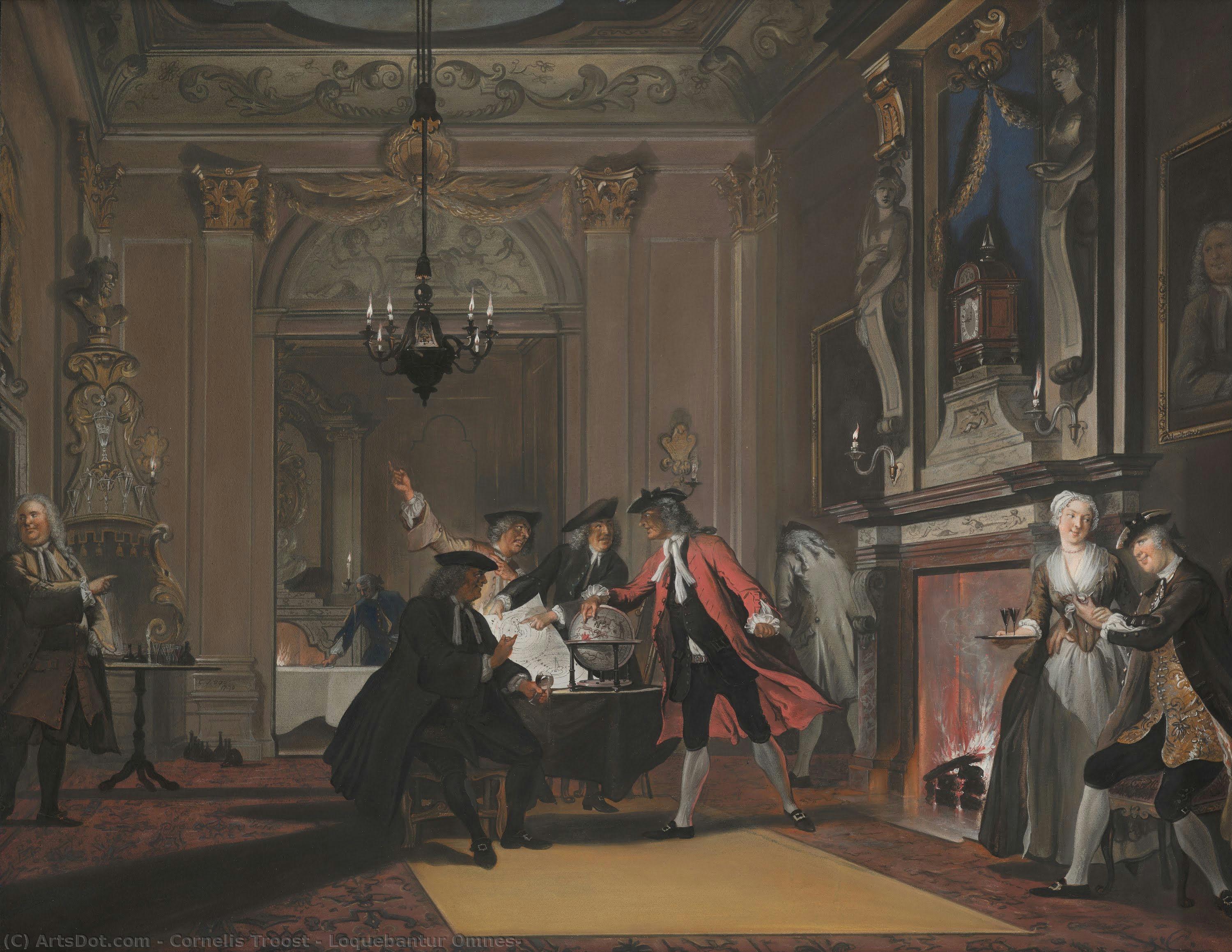
Loquebantur Omnes


 Read More
Purchase a high-resolution, enhanced digital image, far superior to the online preview.
Each file is meticulously prepared by our in-house specialists using advanced tools and expert manual retouching. We ensure every image has exceptional clarity, precise color accuracy, and fine detail.
The final file is delivered via email within 72 hours, optimized for immediate use in professional, editorial, and print environments. This is the same quality trusted by top-tier design studios, publishers, and galleries.
Digital Image
Download a high-resolution file for personal display, printing, and creative projects. ( Buy Print Buy Hand Made Painting)
Included in Every Digital Image Order
Expert Digital Delivery, Guaranteed
When you choose OriginalUniqueArt.com, you're not just getting an image - you're receiving a professionally enhanced digital artwork, crafted with precision and backed by a satisfaction guarantee. Here's everything that comes with your order, automatically:

Fast Email Delivery
Your high-resolution digital image file will be emailed to you within 72 hours of ordering - ready for immediate use.

AI-Enhanced Digital File
Your artwork is professionally optimized using advanced AI tools and manual editing, ensuring maximum detail, clarity, and color accuracy.

Free Lifetime Re-Delivery
Accidentally deleted or lost your file? No worries - we'll resend it to you anytime, free of charge.

No Import Fees - Ever
Enjoy your artwork instantly with zero customs, duties, or delivery fees - digital downloads are always tax-free.

Color Accuracy Guarantee
We ensure your digital image reflects the original colors as closely as possible using professional tools and color management.

60-Day Satisfaction Guarantee
If you're not satisfied with your digital image, we'll revise it or refund 100% within 60 days - no questions asked.

100% Money-Back Guarantee
Not satisfied? Get a full refund within 60 days of receiving your digital file - no questions asked.

Bulk Order Discounts
Buy 3 images, save 10% - Buy 5, save 15% - Buy 10+, save 20%. Great for creative projects, galleries, and agencies.
Collectible Description
Loquebantur Omnes: A Window into Amsterdam’s Golden Age
Cornelis Troost's "Loquebantur Omnes" (Everyone Was Speaking), painted in 1740, isn’t merely a depiction of a convivial evening; it’s a meticulously crafted snapshot of Amsterdam’s vibrant social scene during the height of its Golden Age. This pastel masterpiece, now housed within the Mauritshuis museum in The Hague, offers a captivating glimpse into the lives and leisure activities of the city's elite – a world of refined conversation, spirited debate, and, ultimately, unrestrained indulgence. Troost, transitioning from his theatrical beginnings as an actor to a celebrated painter, masterfully captures the atmosphere of a gathering where propriety gradually yields to boisterous revelry.
The scene unfolds within a richly appointed room, dominated by opulent chandeliers that cast a warm, inviting glow upon the assembled gentlemen. Their attire – elaborate coats, silk waistcoats, and powdered wigs – speaks volumes about their status and wealth. The composition is carefully balanced; figures are arranged around a table laden with wine glasses and plates of food, while others mingle in conversation or observe the unfolding merriment. Notice the subtle details: the expressions on the faces, the gestures of animated discussion, the overflowing goblets—all contribute to a palpable sense of lively interaction.
Technique and Materials: A Masterful Blend
Troost’s choice of medium – pastel and gouache on paper – is particularly noteworthy. Pastel, with its delicate pigment and ability to create subtle gradations of tone, lends itself beautifully to capturing the nuances of light and shadow, as well as the fleeting expressions on the faces of his subjects. The addition of gouache, an opaque watercolor, provides depth and richness to the colors, anchoring the scene within a believable space. This combination creates a luminous quality that is both delicate and remarkably detailed. The layering of these techniques demonstrates Troost’s technical skill and his understanding of how to achieve a harmonious visual effect.
Furthermore, the painting's size – 565 x 725 mm – allows for an intimate portrayal of the scene, drawing the viewer into the heart of the gathering. The artist’s attention to detail is evident in every brushstroke, from the intricate folds of the clothing to the reflections in the wine glasses. The use of a slightly elevated perspective subtly emphasizes the social hierarchy within the group, with some figures positioned closer to the viewer and others receding into the background.
Symbolism and Narrative
Beyond its immediate visual appeal, “Loquebantur Omnes” is rich in symbolic meaning. The title itself – derived from a Latin phrase – suggests a narrative arc: a progression from restrained conversation to unrestrained revelry. The painting’s depiction of the gentlemen gradually becoming increasingly intoxicated and boisterous mirrors this shift. It's a commentary on the excesses of the wealthy class, a subtle critique masked within a scene of apparent merriment. The inclusion of objects like wine glasses and plates of food further reinforces the theme of indulgence and conviviality.
The painting’s composition also subtly alludes to classical themes of social interaction and entertainment. It echoes the depictions of symposiums found in ancient Greek art, where philosophers and intellectuals gathered to discuss important matters – albeit with a distinctly Dutch twist. The scene is not simply a portrait; it's a carefully constructed tableau that invites contemplation on the nature of society, pleasure, and human behavior.
A Legacy of Rococo Elegance
Cornelis Troost’s “Loquebantur Omnes” stands as a quintessential example of Dutch Rococo art. His ability to capture both the elegance and the underlying humor of his subjects is a hallmark of his style. The painting's enduring appeal lies in its ability to transport the viewer back to Amsterdam’s Golden Age, offering a glimpse into a world of refined tastes, spirited conversation, and ultimately, a cautionary tale about the perils of excess. Reproductions of this captivating work continue to delight art enthusiasts and collectors alike, preserving Troost’s legacy as one of the most significant figures in Dutch painting history.
Artist Biography
A Window into Amsterdam’s Golden Age
Cornelis Troost, a name inextricably linked to the vibrant tapestry of 18th-century Amsterdam, was more than just an artist; he was a keen observer and masterful recorder of his era. Born in the heart of the Dutch Republic on October 8, 1696, in Amsterdam, Troost’s journey from aspiring actor to celebrated painter reveals a fascinating confluence of artistic passions and personal transformation. Initially trained as a performer on the stage, he found his true calling not amidst applause and drama, but within the meticulous detail and subtle nuances of painting. His life's trajectory is marked by a deliberate shift – a conscious rejection of the spotlight for the quiet contemplation of brushstrokes, ultimately leading him to become one of the most significant figures in Dutch Rococo genre art.
Troost’s artistic education began under the tutelage of Arnold Boonen, a respected portraitist who recognized his student's innate talent. This apprenticeship provided a crucial foundation, but it was Troost’s early drawings that truly showcased his distinctive style – particularly one dated 1708 depicting Prince Eugene of Savoy and the notorious bookseller and spy, Louis Renard, engaging in clandestine activities within a luxurious Amsterdam brothel. This piece, brimming with wit and intrigue, hinted at the themes he would later explore with such captivating skill: the complexities of social life, the allure of pleasure, and the hidden currents beneath the veneer of respectability.
The Elegance of Rococo and Social Narrative
As his career matured, Troost became a master of capturing the delicate balance between frivolity and sophistication. His work was undoubtedly influenced by the prevailing artistic trends of his time, including the dramatic compositions of William Hogarth, known for his satirical depictions of London society, and the elegant grace of French masters like Watteau, Boucher, and Lancret. This synthesis of Dutch realism and French Rococo elegance allowed him to create works that were both deeply grounded in local reality and exquisitely refined.
His repertoire was remarkably diverse, ranging from intimate portraits to monumental group compositions. Some of his most enduring contributions to the art world include:
- Portrait of the Inspectors of the Collegium Medicum (1724): A stunning Rococo oil painting that showcases the height of 18th-century Dutch artistry and institutional elegance.
- Portrait of Maria Magdalena Stavenisse (c. 1726): A Baroque masterpiece that utilizes refined detail to showcase aristocratic wealth and status.
- Regents of the Aalmoezeniersweeshuis Orphanage (1729): A monumental group portrait that serves as a window into the social structures of Amsterdam, utilizing dramatic lighting and an opulent setting to convey a sense of civic importance.
Legacy of a Master Observer
The significance of Cornelis Troost lies in his ability to act as a visual historian for a period of transition. While the era of the great Dutch Golden Age masters had passed, Troost breathed new life into the Dutch tradition by infusing it with the lightheartedness and decorative charm of the Rococo movement. His paintings do not merely depict faces; they capture the spirit of an age—the rustle of silk, the flicker of candlelight, and the subtle social hierarchies of Amsterdam's upper class.
Through his witty portraits and captivating genre scenes, Troost left behind a legacy that continues to enchant viewers. He remains a pivotal figure who bridged the gap between the heavy, dramatic traditions of the 17th century and the airy, graceful aesthetics of the 18th century, ensuring that the social nuances of his beloved Amsterdam would be preserved in pigment for generations to come.

Cornelis Troost
1696 - 1750 , Netherlands
Quick Facts
- Artistic Movement Or Style: Rococo genre scenes
- Artists Or Movements Influenced By This Artist: ['Sara Troost']
- Artists Who Influenced This Artist:
- William Hogarth
- Watteau
- Boucher
- Lancret
- Date Of Birth: October 8, 1696
- Date Of Death: March 7, 1750
- Full Name: Cornelis Troost
- Nationality: Dutch
- Notable Artworks:
- NELRI series
- Jeronimus Tonneman
- Inspectors of Collegium
- Place Of Birth: Amsterdam, Netherlands

