Preview
 Send
Send Share
Share
 Details
 Guide
Guide

 Download
 Similars
 X-Ray
X-Ray Diaporama
 Stats
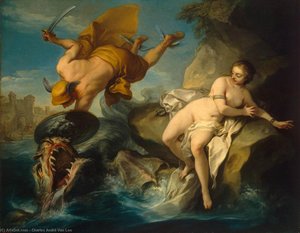
StatsMademoiselle Clairon as Medea (study)
 Acrylic On Canvas
- WallArt
- Rococo Elegance
 1759
1759 63.0 x 79.0 cm
 Musée des Beaux-Arts de Bordeaux
 Read More
Hand Made Oil Reproduction
Hand-painted oil on canvas in your size and frame, made to order by our artists. ( Switch to Print Switch to Digital Image)




P118B $10

P118H $10

P118W $10

P438Z $10

P508JH $12

P508YH $12

P805H $10

P805Z $10

P919BZ $10

P919G $10

P919XJ $10

P959ZH $10

P968JZ $12

W106C $8

W218G $10

W218JH $8

W218Y $10

W307PJ $10

W316G $10

W316PJ $8

W316Y $10

W398PJ $8

W4111J $10

W500HY $15

W500JH $15

W692G $12

W849H $8

W940BG $15

W953PJ $8




Pick from our preset sizes that match the artwork's original proportions.

Type the width and the height you need, to fit your frame or your wall. This is hand-painted, so for a size with a different shape the artist can paint a bit more around the picture, or cut a bit — you choose. We send you a digital mockup to approve before the painting starts. The picture shown on this page does not show the real result — only the mockup does.
After order, OriginalUniqueArt.com team will email client for instructions and provide a mockup preview
Worldwide Delivery () in 3/4 weeks instead of standard 5 weeks. (25 October). No compromise on quality.

Free Worldwide Express Shipping

High-Quality Linen Canvas

Full Shipping Insurance

Customs Tax Refund Guarantee

True Color Matching Guarantee

100-Day Return Policy (Defects Only)

100% Money-Back Guarantee

Bulk Discount Offer
 Glass option is only available in size under 110 CM

Mademoiselle Clairon as Medea (study)
Reproduction Medium
Reproduction Size
-


Total Price
$ 300
A Study in Mythological Drama: Charles André van Loo’s “Mademoiselle Clairon as Medea”
Charles André van Loo's "Mademoiselle Clairon as Medea" (study), completed in 1759, stands as a testament to the grandeur and sophistication of Rococo painting while simultaneously delving into profound mythological themes. Executed by Laurent Cars and Jacques-Firmin Beauvarlet alongside Van Loo himself – a trio celebrated for their collaborative achievements at the Académie royale – this artwork transcends mere visual representation; it embodies an intellectual engagement with classical narratives and explores complex psychological portraits. The painting depicts Mademoiselle Clairon, a renowned Parisian actress famed for her dramatic interpretations of mythological roles, portrayed as Medea, the vengeful sorceress from Greek mythology. This deliberate juxtaposition wasn’t merely stylistic choice but reflected the prevailing artistic preoccupation with portraying characters—particularly women—with nuanced emotional depth and psychological complexity. Unlike traditional depictions emphasizing idealized beauty, Van Loo captures Clairon's gaze – turned slightly to the side – conveying a palpable sense of inner turmoil and determination. Her crimson dress serves as a striking visual anchor, mirroring Medea’s fiery passion for retribution. Technically masterful, the piece showcases the hallmarks of Rococo artistry: delicate brushstrokes, luminous glazing techniques, and meticulous attention to detail. The artist skillfully employs chiaroscuro – dramatic contrasts between light and shadow – to sculpt the figures and imbue them with a sense of realism despite their stylized poses. The backdrop features two horses rendered in muted tones, symbolizing strength and nobility—a common motif within aristocratic portraiture during the period. Furthermore, the inclusion of two attendants reinforces the theatrical atmosphere, highlighting Clairon’s role as performer and embodying the spirit of the stage. Historically situated within the opulent court of Louis XV, “Mademoiselle Clairon as Medea” reflects the broader artistic climate of its time—a fascination with classical mythology alongside a desire to elevate portraiture beyond mere likeness. Artists sought to convey not just outward appearance but also inner character and psychological states, mirroring the Enlightenment’s emphasis on reason and observation. The painting's symbolism extends beyond individual figures; Medea herself represents defiance against societal constraints and embodies the transformative power of emotion—themes resonating powerfully with audiences captivated by theatrical performances. Ultimately, “Mademoiselle Clairon as Medea” transcends its formal conventions to deliver an emotionally resonant experience for the viewer. It invites contemplation on themes of passion, revenge, and psychological resilience – qualities admired in both mythological heroines and celebrated actresses alike. Its enduring appeal lies in its ability to capture a moment of dramatic intensity while simultaneously demonstrating the artistic prowess of Van Loo and his collaborators—a captivating glimpse into the intellectual and aesthetic sensibilities of 18th-century France.Questions & Answers
Who is the author of "Mademoiselle Clairon as Medea (study)", and in which movement?
Behind "Mademoiselle Clairon as Medea (study)" stand Charles-André van Loo and the Rococo Elegance movement.
Is there a slideshow for "Mademoiselle Clairon as Medea (study)" by Charles-André van Loo?
A slideshow is available: the Diaporama page of "Mademoiselle Clairon as Medea (study)" by Charles-André van Loo.
How light is "Mademoiselle Clairon as Medea (study)" overall?
In terms of perceived brightness, "Mademoiselle Clairon as Medea (study)" by Charles-André van Loo is shadow.
Artist Biography
Early Life and Training
- Born: February 15, 1705, in Nice, France
- Family Background: Son of Louis-Abraham van Loo and younger brother of Jean-Baptiste van Loo. Member of a successful dynasty of Dutch painters.
- Early Education: Initial training in Turin, followed by studies in Rome (1712) under Benedetto Luti and Pierre Legros.
- Parisian Studies: Attended the Académie royale, winning first prize for drawing in 1723 and historical painting in 1727.
Artistic Career and Notable Works
- Style: Primarily known as a Rococo painter, characterized by elegance, grace, and ornate detail.
- Subject Matter: Diverse range including portraits, mythological scenes, historical paintings, allegories, and genre scenes.
- Significant Works:
- Venus and Amor (Kunsthalle Bremen) - Demonstrates mastery of the Rococo style.
- Halt of the Hunt (The Metropolitan Museum of Art) – Captures aristocratic activities.
- Portrait of Marie Leszczynska, Queen of France – A notable royal portrait.
- Jupiter and Antiope - Showcases mythological themes.
- Self Portrait – Provides insight into the artist's self-perception.
- Perseus and Andromeda (multiple versions) – Illustrates skill in depicting classical mythology.
- Mademoiselle Clairon as Medea (small version) - A captivating Rococo portrait of 1760.
Patronage and Royal Recognition
- Royal Patronage: Enjoyed the patronage of Madame de Pompadour and the French court.
- Appointment to the Court: Became First Painter to King Louis XV in 1762, a prestigious position.
- Order of Saint Michael: Decorated with the Order of Saint Michael, signifying royal favor.
Influences and Legacy
- Family Influence: Heavily influenced by his father and brother, both accomplished painters.
- Rivalry: Competed with François Boucher, another prominent Rococo artist.
- Modern French School: His "simplicity of style and correctness of design" significantly influenced the modern French school of painting.
- Critical Fortune: While his critical standing fluctuated over time, his skill and the breadth of his work command respect.
Museum Collections & Further Exploration
- Museum Presence: Works are featured in prominent museums including the Louvre (The Marriage of the Virgin), Kunsthalle Bremen, and The Metropolitan Museum of Art.
- Further Resources:
- OriginalUniqueArt's Charles-André van Loo page: https://www.OriginalUniqueArt.com/artists/charles-andre-van-loo/
- OriginalUniqueArt's Greatest Artists of All Time page: https://www.OriginalUniqueArt.com/greatest-artists
- OriginalUniqueArt Virtual Museum: https://www.OriginalUniqueArt.com/
- Wikipedia Article: https://en.wikipedia.org/wiki/Charles-Andr%C3%A9_van_Loo
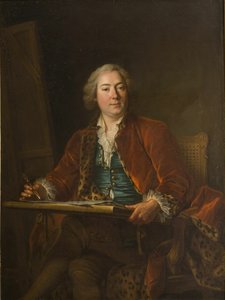
Charles-André van Loo
1705 - 1765 , France
Quick Facts
- Full Name: Charles-André van Loo
- Nationality: French
- Date Of Birth: 1705
- Date Of Death: 1765
- Place Of Birth: Nice, France
- Notable Artworks:
- Venus and Amor
- Halt of the Hunt
- Portrait of Marie Leszczynska
- Jupiter and Antiope
- Self Portrait
- Perseus and Andromeda
- Artistic Movement Or Style: Rococo painting
- Artists Who Influenced This Artist:
- Benedetto Luti
- Pierre Le Gros
- Artists Or Movements Influenced By This Artist: ['Modern French school']
Related Articles
Leonardo da Vinci's Masterpieces: Explore 25 Iconic Artworks for Your Home | OriginalUniqueArt
Journey through Leonardo da Vinci's genius with our curated selection of 25 iconic artworks. Explore the stories behind Mona Lisa, The Last Supper & more Renaissance masterpieces. Find museum-quality art reproductions for your home at OriginalUniqueArt.com.

The Elegance of Rococo: A Journey Through Pastel Dreams and Ornate Splendor
Embark on an elegant journey through the Rococo era. Discover the delicate beauty of pastel masterpieces, the intricate artistry of 18th-century French masters, and how this era of ornate splendor continues to inspire timeless luxury in fine art collecting.

The Allure of Elegance in Art: A Historical & Aesthetic Exploration of Refinement & Grace
Explore the exquisite world of Rococo art! Discover its history, masters (Watteau, Boucher & more), and defining elegance. Expert insights for collectors seeking museum-quality reproductions & custom portraits.

Rococo's Radiant Legacy: 10 Masterpieces for Your Home |
Indulge in the elegance of Rococo! Explore 10 masterpieces by Fragonard, Boucher & Watteau. Discover the stories behind these iconic paintings and bring timeless art to your home with museum-quality reproductions from .

Neo-Classicism's Greatest Hits: 10 Masterpieces for Your Home |
Journey through Neo-Classicism's finest! Explore 10 iconic masterpieces by David, Ingres & Canova. Discover art history, techniques & timeless beauty – perfect for inspiring your home decor. Find museum-quality reproductions at