Preview
 Send
Send Share
Share
 Details
 Guide
Guide

 Download
 Similars
 X-Ray
X-Ray Diaporama
 Stats
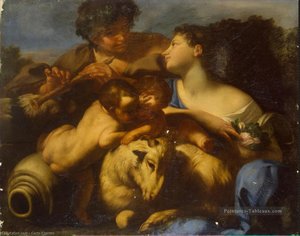
StatsVenus with Cherubs
 Oil On Canvas
- WallArt
- Baroque
 185.0 x 130.0 cm
 Fondazione Cariplo
 Read More
Giclée / Art Print
Museum-quality giclée or canvas print with fast production and flexible finish options. ( Buy Hand Made Painting Switch to Digital Image)




P118B $10

P118H $10

P118W $10

P438Z $10

P508JH $12

P508YH $12

P805H $10

P805Z $10

P919BZ $10

P919G $10

P919XJ $10

P959ZH $10

P968JZ $12

W106C $8

W218G $10

W218JH $8

W218Y $10

W307PJ $10

W316G $10

W316PJ $8

W316Y $10

W398PJ $8

W4111J $10

W500HY $15

W500JH $15

W692G $12

W849H $8

W940BG $15

W953PJ $8




Pick from our preset sizes that match the artwork's original proportions.

Type the width and the height you need, to fit your frame or your wall. A print can only be cut, never made bigger than the picture, so a size with a different shape loses a part of the image. We send you a digital mockup to approve before we print anything. The picture shown on this page does not show the real cut — only the mockup does.
Worldwide Delivery () in 2 weeks instead of standard 4/5 weeks. (22 October)

Free Worldwide Express Shipping

High-Quality Linen Canvas

Full Shipping Insurance

Customs Tax Refund Guarantee

True Color Matching Guarantee

100-Day Return Policy (Defects Only)

100% Money-Back Guarantee

Bulk Discount Offer
 Glass option is only available in size under 110 CM

Venus with Cherubs
Giclée / Art Print
Reproduction Size
-


Total Price
$ 81
Carlo Cignani’s Venus with Cherubs: A Symphony of Baroque Sensuality
Carlo Cignani (1628–1719) stands as a pivotal figure in the waning years of the Baroque era, embodying its refined elegance and intellectual depth. Unlike some contemporaries who embraced radical innovation, Cignani championed ‘new manner,’ marking a subtle shift away from the dramatic fervor of earlier masters—a stylistic evolution that profoundly influenced artists like Guido Reni and Guercino. His legacy resides not in groundbreaking experimentation but in masterful consolidation, securing his place as one of the last great exponents of Bolognese classicism – a tradition he skillfully revived after decades of stylistic decline. Details surrounding his formative years remain somewhat elusive; biographical records indicate he hailed from a noble family possessing modest resources, and his subsequent artistic journey would propel him to international acclaim.- Subject Matter: The painting depicts Venus reclining with two cherubic figures—a scene steeped in mythological allusion and embodying the ideals of beauty and love central to classical culture.
- Style & Movement: Cignani’s work firmly anchors itself within Baroque aesthetics, characterized by dramatic chiaroscuro lighting, emotional intensity, and dynamic compositional arrangements. This stylistic approach reflects a broader trend toward portraying human experience with heightened expressive power.
- Technique: Executed in oil paints on canvas, the artwork demonstrates meticulous attention to detail—evident in the subtle blending of colors and gradations of tone achieved through masterful brushwork. The artist’s technique prioritizes capturing the essence of form and texture, resulting in a luminous surface finish.
Historical Context & Artistic Influences
Cignani's artistic development coincided with a period of significant cultural transformation in Bologna—a city renowned for its vibrant artistic milieu during the Baroque zenith. He absorbed influences from masters such as Correggio and Melozzo da Forlì, whose explorations of light and perspective profoundly impacted Bolognese painters. Furthermore, Cignani’s oeuvre bears testament to the enduring legacy of Caravaggio's revolutionary realism—a stylistic impulse that championed naturalism alongside expressive emotion. The artist’s engagement with these precedents underscores his commitment to upholding artistic traditions while simultaneously pushing boundaries within established conventions.Symbolism & Emotional Resonance
The painting’s symbolism transcends mere depiction; it speaks to deeper philosophical concepts concerning femininity, divine grace, and the pursuit of spiritual contemplation. Venus herself embodies idealized beauty—a reflection of humanist ideals prevalent during the Baroque period—while the cherubs serve as emblems of innocence and celestial benevolence. The artist skillfully orchestrates visual elements to evoke a palpable sense of serenity and sensual allure—capturing not only the physical form but also the psychological state of the depicted figures. This masterful manipulation of artistic conventions contributes significantly to the artwork’s enduring emotional impact.Provenance & Reproduction Quality
A print of approximately 1730 by Giovanni Antonio Lorenzini, commissioned for Palazzo Pitti and subsequently housed in the Grand Prince Ferdinand's collection, provides valuable insight into Cignani’s artistic reputation during his lifetime. Recent scholarship suggests that Venus with Cherubs—alongside a second version—was destined for Cosimo III of Tuscany’s Gallery of Uffizi, demonstrating its recognition as among the finest achievements of Cignani’s oeuvre. Reproductions crafted by OriginalUniqueArt.com adhere to stringent quality standards, ensuring faithful representation of the original artwork's luminosity and textural nuances—a testament to the artist’s enduring legacy and a captivating addition to any discerning collector’s portfolio.Questions & Answers
How strong are the colors of "Venus with Cherubs"?
The colors of "Venus with Cherubs" by Carlo Cignani show a muted saturation with a monochromatic intensity.
What atmosphere would a reproduction of "Venus with Cherubs" by Carlo Cignani bring to a room?
With its romantic mood, "Venus with Cherubs" is suggested for a living room.
Which reproduction size is suggested for "Venus with Cherubs" by Carlo Cignani?
A large reproduction is suggested for "Venus with Cherubs" by Carlo Cignani. Size can be adjusted while keeping the proportions.
Artist Biography
A Legacy of Gentle Baroque: The Life and Art of Carlo Cignani
Carlo Cignani, born in Bologna around 1630, stands as a fascinating figure bridging the High Baroque and the emerging Rococo styles. He wasn’t a revolutionary like some of his contemporaries, but rather a masterful consolidator, the last great exponent of the Bolognese classicism that had flourished for generations. His art embodies a ‘new manner,’ as it was known – a softening of the dramatic intensity favored by earlier Baroque masters, replaced with an intimate and reflective quality that subtly influenced artists like Guido Reni and Guercino. Cignani’s path wasn't one of radical innovation, but rather of refined elegance and intellectual depth, securing his place as a significant, if sometimes overlooked, figure in 17th-century Italian painting. Details surrounding his early life remain somewhat scarce; we know he came from a noble, though modestly resourced family, and that he would later have both a son, Felice Cignani, also a painter, and a nephew, Paolo Cignani, who followed in the family tradition.Formative Years and Artistic Development
Cignani’s artistic journey began under the tutelage of Battista Cairo, but it was his apprenticeship with Francesco Albani that truly shaped his foundational style. He absorbed Albani's meticulous technique, his vibrant use of color, and his commitment to a polished finish. However, Cignani didn’t simply mimic his master; he possessed an intellectual curiosity that led him to explore other influences. The frescoes of Correggio in the Parma Cathedral profoundly impacted his understanding of composition and chromatic harmony, while Melozzo da Forlì's mastery of perspective ignited his interest in creating illusionistic space. This synthesis of influences allowed Cignani to develop a distinctive voice – one characterized by graceful forms, balanced compositions, and a subtle emotional resonance. He established an *accademia del nudo* in Bologna, demonstrating a dedication to anatomical study and providing instruction to promising young artists, including Giuseppe Maria Crespi, who would become a celebrated painter in his own right.Major Works and Artistic Flourishes
Cignani’s career spanned several decades, producing a diverse body of work encompassing religious scenes, mythological narratives, and portraits. The *Assumption of Saint Rose of Lima*, painted for the church in Forlì, is arguably his most celebrated achievement. This monumental fresco showcases his ability to create dramatic compositions within architectural settings, echoing Correggio’s influence while establishing his own unique style. Other notable works include the *Entry of Paul III into Bologna*, a historical depiction imbued with intellectual gravitas, and *Francis I Touching for Kings Evil*, which demonstrates his skill in portraying royal figures with dignity and sensitivity. He also excelled at ceiling paintings, as evidenced by *The Power of Love*, created in collaboration with Agostino Carracci. His *Adam and Eve* gained international recognition through exhibitions in Dresden and Copenhagen, highlighting the growing demand for his work beyond Italy. Multiple versions of *Joseph and Potiphar's Wife* exist, a testament to the enduring appeal of this biblical theme within his oeuvre.A Lasting Influence on Bolognese Art
Carlo Cignani’s historical significance lies not only in his artistic output but also in his role as a preserver and transmitter of the Bolognese painting tradition. He represented the culmination of a school renowned for its classicism, intellectual rigor, and technical mastery. His commitment to anatomical study, evidenced by his *accademia del nudo*, helped maintain high standards of craftsmanship among aspiring artists. Beyond Crespi, he mentored Paolo Antonio Paderna and Sante Vandi, further contributing to the development of Bolognese art. His work found a home in prominent collections across Europe, including Dresden and Copenhagen, solidifying his international reputation. Today, several of his paintings are preserved in the Pinacoteca Civica in Forlì, ensuring that future generations can appreciate his artistry. Though he may not be as widely recognized as some of his Baroque contemporaries, Carlo Cignani remains a vital figure in art history – a master of gentle Baroque whose legacy continues to inspire and captivate. His later years were spent continuing to work diligently, including painting the *Aurora* at Circolo della Scranna in Forlì, and completing the *Incoronazione di Santa Rosa (Coronation of Saint Rose of Lima)* for the Pinacoteca Civica before his death sometime after 1719.
Carlo Cignani
1628 - 1719 , Italy
Quick Facts
- Artistic Movement Or Style: Baroque
- Artists Or Movements Influenced By This Artist:
- Crespi
- Paderna
- Vandi
- Artists Who Influenced This Artist:
- Correggio
- Melozzo da Forlì
- Albani
- Carracci
- Date Of Birth: 1628
- Date Of Death: 1719
- Full Name: Carlo Cignani
- Nationality: Italian
- Notable Artworks:
- Assumption of Saint Rose
- Entry of Paul III
- Francis I Touching
- Power of Love
- Adam and Eve
- Joseph & Potiphar's Wife
- Place Of Birth: Bologna, Italy
Related Articles

Baroque Masterpieces: 10 Paintings That Defined an Era |
Journey through the drama & grandeur of Baroque art! Explore 10 masterpieces by Caravaggio, Rembrandt, Rubens & more. Discover stunning oil paintings, rich colors & timeless stories. Find museum-quality reproductions at .

Baroque Classicism: The Grandeur of Order and Drama in 17th-Century Art History
Explore the profound elegance of Baroque Classicism. Discover how 17th-century masters synthesized dramatic emotion with classical order through the lens of the Counter-Reformation and the works of legends like Carlo Maratta and Andrea Sacchi.

Baroque Drama: Bringing Opulence & Emotion into Contemporary Interiors
Explore the opulent world of Baroque interior design! Discover key elements, modern applications & how to bring dramatic elegance into your home with OriginalUniqueArt.com's authentic reproductions.
Echoes of Olympus: Mythological Narratives in Western Art Through the Ages
Explore the captivating history of mythological narratives in Western art! From ancient Greece to modern masterpieces, discover iconic artworks & symbolism. Expert analysis and high-quality reproductions at OriginalUniqueArt.

The Dramatic Flourish: Exploring the Baroque Movement's Enduring Legacy in Art History
Explore the dramatic world of Baroque art! Discover iconic artists like Caravaggio & Rubens, defining techniques, and its lasting impact on art history. Expert insights for collectors & enthusiasts at OriginalUniqueArt.