
 Preview
 Send
Send Share
Share
 Details

 Download
 Similars
 X-Ray
X-Ray Diaporama
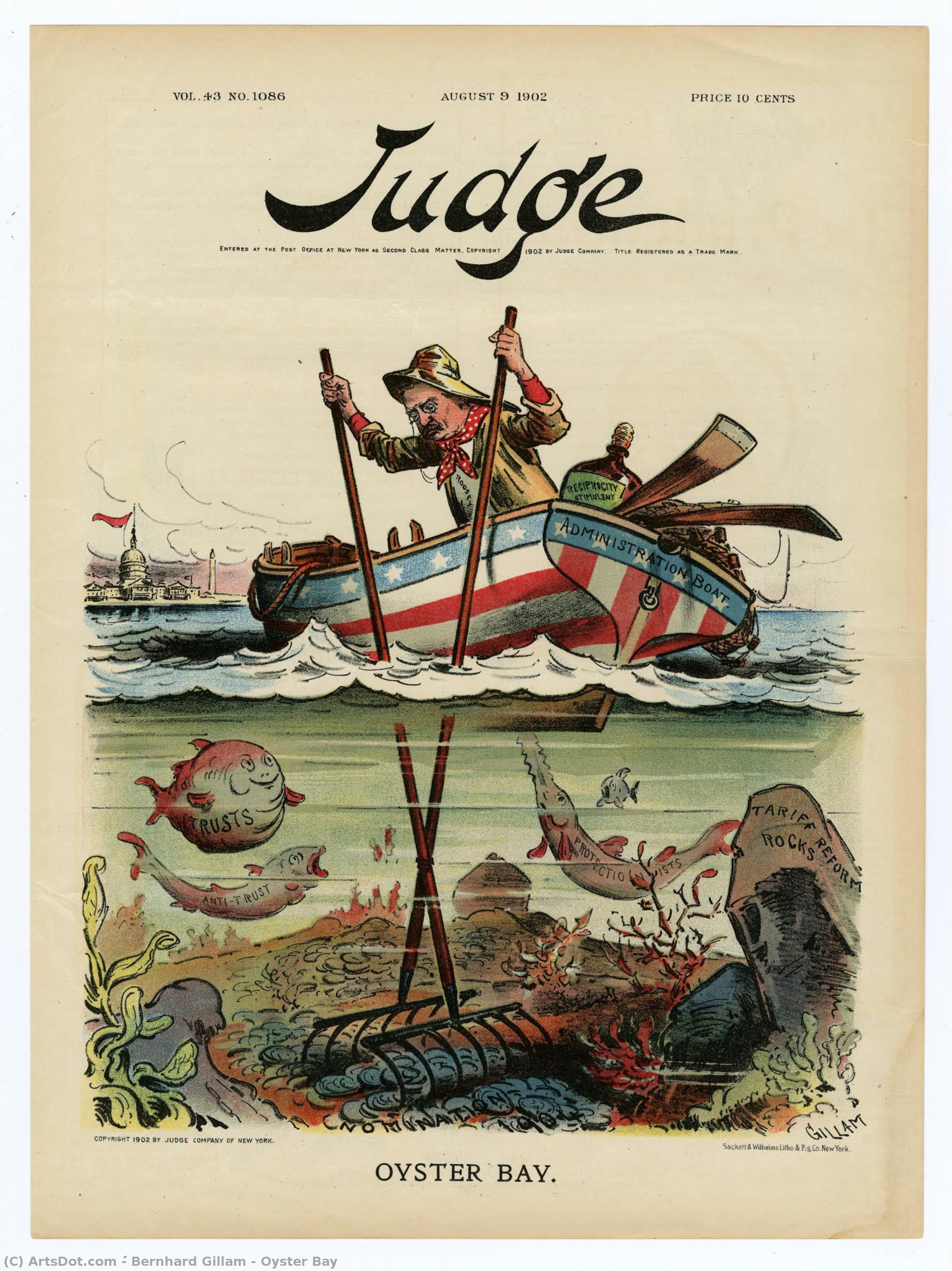
Oyster Bay


 Read More
Purchase a high-resolution, enhanced digital image, far superior to the online preview.
Each file is meticulously prepared by our in-house specialists using advanced tools and expert manual retouching. We ensure every image has exceptional clarity, precise color accuracy, and fine detail.
The final file is delivered via email within 72 hours, optimized for immediate use in professional, editorial, and print environments. This is the same quality trusted by top-tier design studios, publishers, and galleries.
Digital Image
Download a high-resolution file for personal display, printing, and creative projects. ( Buy Print Buy Hand Made Painting)
Included in Every Digital Image Order
Expert Digital Delivery, Guaranteed
When you choose OriginalUniqueArt.com, you're not just getting an image - you're receiving a professionally enhanced digital artwork, crafted with precision and backed by a satisfaction guarantee. Here's everything that comes with your order, automatically:

Fast Email Delivery
Your high-resolution digital image file will be emailed to you within 72 hours of ordering - ready for immediate use.

AI-Enhanced Digital File
Your artwork is professionally optimized using advanced AI tools and manual editing, ensuring maximum detail, clarity, and color accuracy.

Free Lifetime Re-Delivery
Accidentally deleted or lost your file? No worries - we'll resend it to you anytime, free of charge.

No Import Fees - Ever
Enjoy your artwork instantly with zero customs, duties, or delivery fees - digital downloads are always tax-free.

Color Accuracy Guarantee
We ensure your digital image reflects the original colors as closely as possible using professional tools and color management.

60-Day Satisfaction Guarantee
If you're not satisfied with your digital image, we'll revise it or refund 100% within 60 days - no questions asked.

100% Money-Back Guarantee
Not satisfied? Get a full refund within 60 days of receiving your digital file - no questions asked.

Bulk Order Discounts
Buy 3 images, save 10% - Buy 5, save 15% - Buy 10+, save 20%. Great for creative projects, galleries, and agencies.
Collectible Description
Bernhard Gillam’s Oyster Bay: A Snapshot of Victorian Political Satire
Bernhard Gillam's “Oyster Bay,” created in 1902, isn’t merely a depiction of a seaside landscape; it’s a meticulously crafted political cartoon that encapsulates the anxieties and ambitions of its era. Commissioned for Judge Magazine, a publication known for its sharp commentary on contemporary affairs, Gillam skillfully blends realism with symbolic representation to convey a complex message about Theodore Roosevelt’s presidency.
- Subject Matter: The painting portrays Roosevelt seated at a table overlooking an oyster bed—a seemingly tranquil scene juxtaposed against the turbulent backdrop of political maneuvering.
- Style & Technique: Gillam's signature style is characterized by biting satire and expressive brushstrokes, typical of Victorian political cartooning. He employs meticulous detail to portray the oyster bed as well as Roosevelt’s posture and facial expression. The artist’s use of color contributes to the overall mood, emphasizing both serenity and underlying tension.
- Historical Context: Published during Roosevelt's second term (1904-1908), “Oyster Bay” reflects the broader political climate—marked by debates over tariff reform, antitrust legislation, and Theodore Roosevelt’s leadership in the Progressive movement. Gillam cleverly utilizes visual elements to critique these issues.
- Symbolism: The oyster bed itself serves as a powerful symbol of American prosperity and stability – a deliberate contrast to the “Trusts” depicted as menacing figures surrounding Roosevelt. The rocks represent obstacles to progress, mirroring Roosevelt’s struggles in achieving his goals. Gillam's masterful use of symbolism elevates the artwork beyond a simple visual representation.
- Emotional Impact: Gillam’s intention was to provoke thought and discussion about Roosevelt’s policies. The painting captures a moment of contemplation amidst political pressures, conveying both confidence and vulnerability—a reflection of Roosevelt’s character as well as the broader spirit of the time.
Victor Gillam's Early Influences & Artistic Development
Born in Banbury, England, Bernhard Gillam emigrated to New York at age six, shaping his artistic trajectory significantly. Initially apprenticed as a copyist, he honed his observational skills and developed an early fascination with engraving—a technique that would become central to his oeuvre. His formative years were spent absorbing the stylistic innovations of prominent artists like Thomas Nast and Joseph Keppler, whose work profoundly impacted Gillam’s approach to visual storytelling.
- Thomas Nast: Nast's satirical illustrations in Harper's Weekly instilled in Gillam a commitment to conveying complex ideas through accessible imagery.
- Joseph Keppler: Keppler’s pioneering use of expressionism encouraged Gillam to explore emotional depth and psychological nuance within his cartoons.
Notable Works Beyond Oyster Bay
Gillam's prolific output extended beyond “Oyster Bay,” cementing his reputation as a leading political cartoonist of the late 19th century. He achieved considerable acclaim for his depictions of James G. Blaine during the contentious 1884 presidential campaign—a pivotal moment in American history where Gillam’s cartoons decisively swayed public opinion.
- “Phryne before the Chicago Tribunal”: This iconic illustration showcased Gillam's mastery of symbolism and expressionism, capturing Blaine’s vulnerability amidst legal scrutiny.
Legacy & Recognition
Bernhard Gillam’s contribution to Victorian art and political discourse remains significant. His work continues to inspire scholars and collectors alike—a testament to his artistic vision and enduring influence on the genre of political cartooning. Reproductions of “Oyster Bay” can be found in museums across Europe, offering a glimpse into the artistic sensibilities of a bygone era.
Artist Biography
Early Life and Career
- Born: Banbury, United Kingdom (1856)
- Died: 1896
- Gillam's family emigrated to New York in 1866.
- Initially worked as a copyist in a lawyer’s office.
- Developed an interest in engraving, leading him to pursue it professionally.
- His early work appeared in publications like Frank Leslie's Illustrated Newspaper, Harper's Weekly, Puck Magazine, and Judge Magazine.
- Became Director-in-Chief of Judge Magazine in 1886.
Artistic Style and Major Contributions
- Known for his impactful political cartoons during the late 19th century.
- Notably depicted James G. Blaine during the 1884 US presidential campaign, significantly influencing the political landscape.
- His style was characterized by biting satire and clever use of visual elements to convey complex ideas.
- Masterful use of symbolism and expressionism to evoke emotions and thought-provoking themes.
- A particularly famous work is "Phryne before the Chicago Tribunal" (also known as “The Tattooed Man”), which appeared in Puck magazine in 1884, depicting Blaine with tattoos representing political scandals.
Influences and Development
- Early influence from Thomas Nast while working at Harper's Weekly.
- Mentorship under Joseph Keppler at Puck Magazine.
- Gillam’s artistic development was marked by a transition from engraving to cartooning, showcasing his adaptability and talent.
- Despite acknowledging shortcomings in his technical drawing skills, he excelled in conveying impactful ideas through his cartoons.
Legacy and Historical Significance
- Paved the way for future generations of political cartoonists and satirists.
- His work continues to be studied by scholars and art enthusiasts.
- Gillam’s cartoons played a significant role in shaping public opinion during crucial moments in American history, particularly the 1884 presidential election.
- Examples of his work can be found in museums and galleries, including the Max-Slevogt Galerie in Germany.
Additional Information
- Other Names: None
- Wikipedia Link: https://en.wikipedia.org/wiki/Bernhard_Gillam
- Britannica Link: https://www.britannica.com/biography/Bernhard-Gillam

Bernhard Gillam
1856 - 1896 , United Kingdom
Quick Facts
- Artistic Movement Or Style: Political Cartooning, Satire
- Artists Who Influenced This Artist:
- Thomas Nast
- Joseph Keppler
- Date Of Birth: April 28, 1856
- Date Of Death: January 19, 1896
- Full Name: Bernhard Gillam
- Nationality: English-American
- Notable Artworks:
- Oyster Bay
- Phryne before the Chicago Tribunal
- Place Of Birth: Banbury, United Kingdom

