
 Preview
 Send
Send Share
Share
 Details

 Download
 Similars
 X-Ray
X-Ray Diaporama
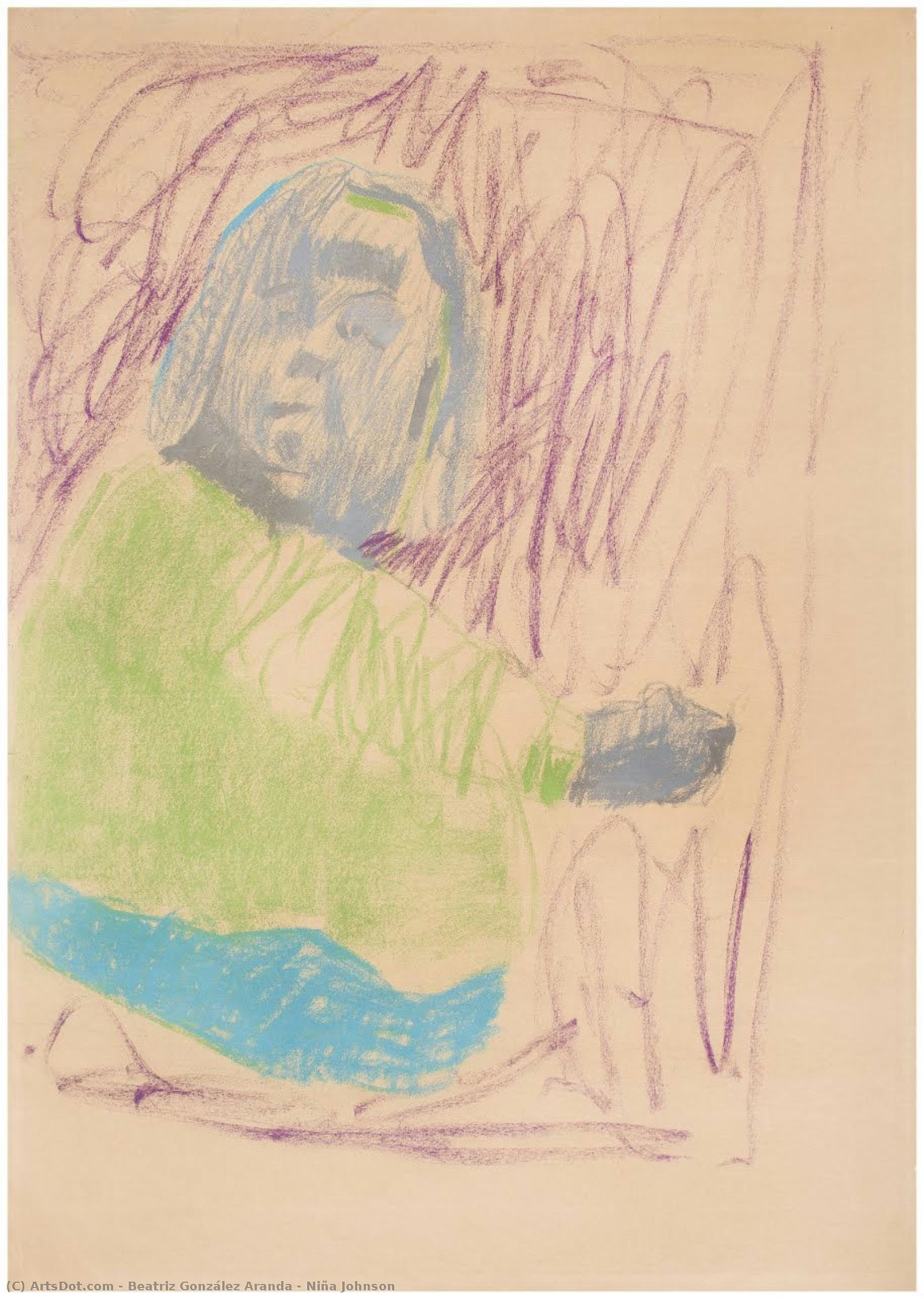
Niña Johnson


 Read More
Hand Made Oil Reproduction
Hand-painted oil on canvas in your size and frame, made to order by our artists. ( Buy Print Buy Image)




































Pick from our preset sizes that match the artwork's original proportions.

You may enter your own dimensions to fit a specific frame or space. If your selected size does not match the original image's proportions, we will either crop the artwork or extend the painting with additional hand-painted elements. A digital mockup will be sent for your approval before production begins.
Please note that the on-screen preview does not reflect the actual cropping or extension. Only the mockup will accurately show the final composition.
While custom sizes are available, we recommend selecting a dimension from the predefined list to preserve the original proportions.
After order, OriginalUniqueArt.com team will email client for instructions and provide a mockup preview
Worldwide Delivery () in 3/4 weeks instead of standard 5 weeks. (13 August). No compromise on quality.

Free Worldwide Express Shipping

High-Quality Linen Canvas

Full Shipping Insurance

Customs Tax Refund Guarantee

True Color Matching Guarantee

60-Day Return Policy (Defects Only)

100% Money-Back Guarantee

Bulk Discount Offer
 Glass option is only available in size under 110 CM

Niña Johnson
Reproduction Medium
Reproduction Size
-


Total Price
$ 300
Artist Biography
A Visionary of Colombian Identity
Beatriz González stands as a pivotal figure in Colombian art history, recognized for her distinctive blend of Pop Art aesthetics and poignant explorations of national identity during turbulent periods—particularly La Violencia, Colombia’s brutal civil conflict. Unlike many artists of her era who embraced the international trends of Pop Art, González remained firmly rooted in her homeland, channeling her artistic vision to confront social realities and capture the spirit of a nation grappling with violence and instability. Her work does not merely observe history; it reinterprets the very fabric of Colombian society through a lens that is simultaneously playful and deeply unsettling.
Born in Tunja, Colombia, in 1938, González’s formative years coincided with the intense political polarization that defined Colombian society throughout the 1950s and 60s. Although she initially pursued studies in architecture, her creative impulse led her to abandon academic blueprints for the expressive possibilities of the canvas. Her artistic journey commenced at Universidad de los Andes, where she studied under luminaries like Joan Antonio Roda and the influential critic Marta Traba. It was Traba’s mentorship that proved particularly significant, fostering a spirit of independence and encouraging González to challenge conventional expectations within the Colombian art scene.
The Power of Narrative and Controversy
González’s career gained profound momentum with the controversial reception of The Suicides of Sisga. This painting, inspired by a newspaper photograph depicting a young couple who tragically ended their lives in an attempt to preserve the purity of their love, became a landmark moment in her development. Initially rejected by the Salon of Colombian Artists due to its perceived lack of adherence to prevailing artistic standards, the painting’s fate was dramatically altered when Marta Traba passionately advocated for its reconsideration. This piece signaled the arrival of an artist capable of transforming mass media imagery into high art, using the aesthetics of the everyday to discuss the profound tragedies of the human condition.
Her technical evolution is marked by a fascinating departure from traditional supports. While her early works established her mastery of color and composition, she later became renowned for her innovative use of furniture-based works. By painting directly onto objects like beds or chairs, such as seen in Naturaleza casi muerta, she blurred the lines between fine art and domestic reality. This technique forces the viewer to confront the artwork not as a distant object on a museum wall, but as an intimate part of the living environment, mirroring how political violence and social shifts permeate the most private spaces of Colombian life.
Legacy and Artistic Significance
The enduring significance of Beatriz González lies in her ability to synthesize the vibrant, often garish colors of Pop Art with a somber, socio-political weight. Her work serves as a visual archive of a nation's memory, utilizing motifs from newspapers, advertisements, and popular culture to critique power structures and memorialize the forgotten. Through her mastery of both painting and sculpture, she has achieved several milestones:
- Redefining Pop Art: She successfully localized the global Pop Art movement, stripping it of its purely consumerist focus and replacing it with a deep, localized political consciousness.
- Innovation in Medium: Her use of found objects and furniture transformed the relationship between the viewer and the artwork, making art an immersive, domestic experience.
- Historical Documentation: Her oeuvre acts as a powerful commentary on La Violencia, ensuring that the social upheavals of Colombia are etched into the global art historical canon.
Today, González remains a towering presence, her work continuing to resonate with anyone seeking to understand the complex intersection of personal tragedy and national history. Her ability to find beauty in the tragic and significance in the mundane ensures that her voice remains an essential part of the contemporary artistic dialogue.

beatriz gonzález aranda
1938 - , Colombia
Quick Facts
- Artistic Movement Or Style: Pop Art
- Artists Or Movements Influenced By This Artist: ['Fernando Botero']
- Artists Who Influenced This Artist:
- Marta Traba
- Joan Antonio Roda
- Date Of Birth: November 16, 1938
- Full Name: Beatriz González Aranda
- Nationality: Colombian
- Notable Artworks:
- The Suicides of Sisga I, II and III
- La Última Mesa
- Nací en Florencia
- Place Of Birth: Tunja, Colombia



