

 Preview
 Send
Send Share
Share
 Details

 Download
 Similars
 X-Ray
X-Ray Diaporama
Crucifixion


 Read More
Hand Made Oil Reproduction
Hand-painted oil on canvas in your size and frame, made to order by our artists. ( Buy Print Buy Image)




































Pick from our preset sizes that match the artwork's original proportions.

You may enter your own dimensions to fit a specific frame or space. If your selected size does not match the original image's proportions, we will either crop the artwork or extend the painting with additional hand-painted elements. A digital mockup will be sent for your approval before production begins.
Please note that the on-screen preview does not reflect the actual cropping or extension. Only the mockup will accurately show the final composition.
While custom sizes are available, we recommend selecting a dimension from the predefined list to preserve the original proportions.
After order, OriginalUniqueArt.com team will email client for instructions and provide a mockup preview
Worldwide Delivery () in 3/4 weeks instead of standard 5 weeks. (14 August). No compromise on quality.

Free Worldwide Express Shipping

High-Quality Linen Canvas

Full Shipping Insurance

Customs Tax Refund Guarantee

True Color Matching Guarantee

60-Day Return Policy (Defects Only)

100% Money-Back Guarantee

Bulk Discount Offer
 Glass option is only available in size under 110 CM

Crucifixion
Reproduction Medium
Reproduction Size
-


Total Price
$ 500
Artist Biography
A Flemish Echo in Spanish Renaissance
Bartolomé Bermejo stands as a pivotal figure in the transition between Gothic and Early Renaissance art, particularly within the Iberian Peninsula. His distinctive style—characterized by meticulous detail, dramatic lighting, and masterful realism—earned him recognition as one of the foremost painters of his era and cemented his legacy as a pioneer who successfully assimilated Flemish painting techniques into Spanish artistic traditions. While biographical details remain somewhat elusive due to sparse documentation, scholars agree that he flourished primarily in Valencia, Daroca, Zaragoza, and Barcelona during the latter half of the fifteenth century.
The early life and training of this master remain shrouded in a certain historical mystery. Precise information regarding Bermejo’s birthplace—Córdoba—is debated, with recent research questioning its certainty. However, his artistic activity centered around four key Spanish cities: Valencia (1468), Daroca (1474), Zaragoza (1477–84) and Barcelona (1486–1501). The exact origins of his training remain unknown, yet the exceptional command of oil glazing—a technique perfected by Flemish masters—strongly suggests direct exposure to the artistic innovations originating in Bruges and Ghent. This profound connection to the North allowed him to bring a level of technical sophistication to Spain that was previously unseen.
Mastery of Light and Texture
Bermejo’s oeuvre comprises numerous altarpieces, demonstrating his mastery of large-scale retables with multiple panels. His technique embodies the spirit of Flemish painting, prioritizing meticulous observation and rendering textures with remarkable accuracy. He skillfully employed glazing techniques—applying thin, transparent layers of oil paint—to achieve a luminous depth that seems to glow from within. This method allowed him to capture the sheen of silk, the cold hardness of jewels, and the soft warmth of human skin with an almost tactile quality.
Among his most celebrated achievements are works that showcase both his religious devotion and his technical ambition:
- St Dominic Enthroned in Glory: Completed in 1474, this monumental altarpiece exemplifies the fusion of Flemish painting techniques with Spanish artistic traditions. It features a regal depiction of St. Dominic surrounded by ornate furnishings and vibrant colors, demonstrating Bermejo's unparalleled skill in capturing texture and luminosity.
- Death of the Virgin: Executed around 1460, this work exemplifies the Hispano-Flemish style. Drawing inspiration from masters like Hugo van der Goes, it features meticulous realism and symbolic elements—a poignant depiction of Mary's passing within a richly ornamented chapel setting.
- Pietà of Canon Luis Desplá: This poignant Pietà embodies Flemish realism blended seamlessly into Spanish Renaissance aesthetics. It presents a masterful depiction of Mary cradling Jesus amidst a dramatic mountainous landscape, inviting viewers into a moment of profound sorrow and timeless beauty.
Legacy and Historical Significance
The historical significance of Bartolomé Bermejo lies in his role as a bridge between eras and cultures. Through his monumental triptych of the Virgin of Montserrat in València and his unfinished high altar retables in Santo Domingo de Silos and Santa Anna in Barcelona, he demonstrated an unparalleled skill and ambition that pushed the boundaries of Spanish art. He did not merely copy Northern styles; he synthesized them with a local sensibility to create something entirely unique.
By integrating the intense realism and symbolic depth of the Flemish tradition into the religious landscape of the Iberian Peninsula, Bermejo helped pave the way for the subsequent flowering of the Spanish Renaissance. His ability to manipulate light and shadow to evoke emotion remains a testament to his genius, ensuring that his name continues to resonate with art historians and admirers of fine art alike.

bartolomé bermejo
1440 - 1500 , Spain
Quick Facts
- Artistic Movement Or Style: Flemish Painting
- Artists Or Movements Influenced By This Artist: ['Early Renaissance']
- Artists Who Influenced This Artist:
- Jan van Eyck
- Rogier van der Weyden
- Date Of Birth: c. 1440
- Date Of Death: 1500
- Full Name: Bartolomé de Cárdena
- Nationality: Spanish
- Notable Artworks:
- Saint Michael Triumphs over the Devil
- Christ at the Tomb Supported by Two Angels
- Christ Leading the Patriarchs
- Place Of Birth: Córdoba, Spain
Related Articles
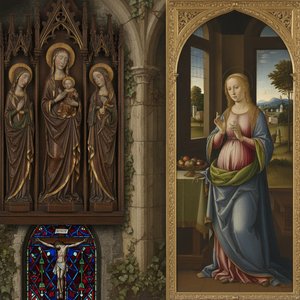
Late Gothic Art: The Divine Transition from Medieval Symbolism to Renaissance Naturalism
Explore the profound transition of Late Gothic art from medieval symbolism to Renaissance naturalism. Discover the elegance of International Gothic, the legacy of Master Theodoric, and the evolution of European courtly masterpieces through an expert art-historical lens.
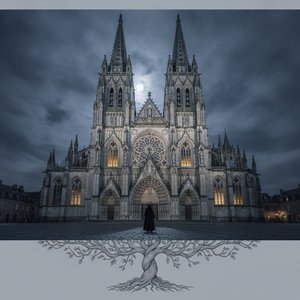
Shadows & Splendor: A Journey Through the Soul of Gothic Art and Architectural Grandeur
Embark on a profound journey through the spiritual intensity of Gothic art. Explore the architectural marvels, luminous stained glass, and sacred sculptures that define this era of grandeur and human devotion.
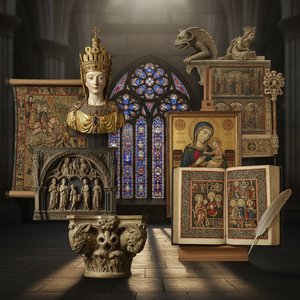
High Medieval Art: 10 Masterpieces That Shaped an Era | OriginalUniqueArt
Journey through High Medieval Art! Explore 10 iconic masterpieces – from Giotto's frescoes to stunning Gothic cathedrals. Discover the stories behind these timeless paintings, sculptures & illuminated manuscripts. Find museum-quality art reproductions at OriginalUniqueArt.com.

The Magic of International Gothic: Elegance, Gold, and Courtly Splendor in Medieval Art
Discover the breathtaking elegance of International Gothic art. Explore a world of gilded manuscripts, courtly splendor, and the delicate transition from medieval symbolism to Renaissance naturalism through an expert art-historical lens.

Gothic Vibes: From Dark Shadows to Bold Modern Edge | The Ultimate Trend Forecast
Explore the evolution of Gothic vibes, from historical shadows to bold modern edge. Discover how dark aesthetics, noir interiors, and contemporary subcultures are redefining modern design through a high-impact, trend-focused lens.



