 Preview
 Send
Send Share
Share
 Details
 Guide
Guide

 Download
 Similars
 X-Ray
X-Ray Diaporama
 Q&A
Q&A Stats
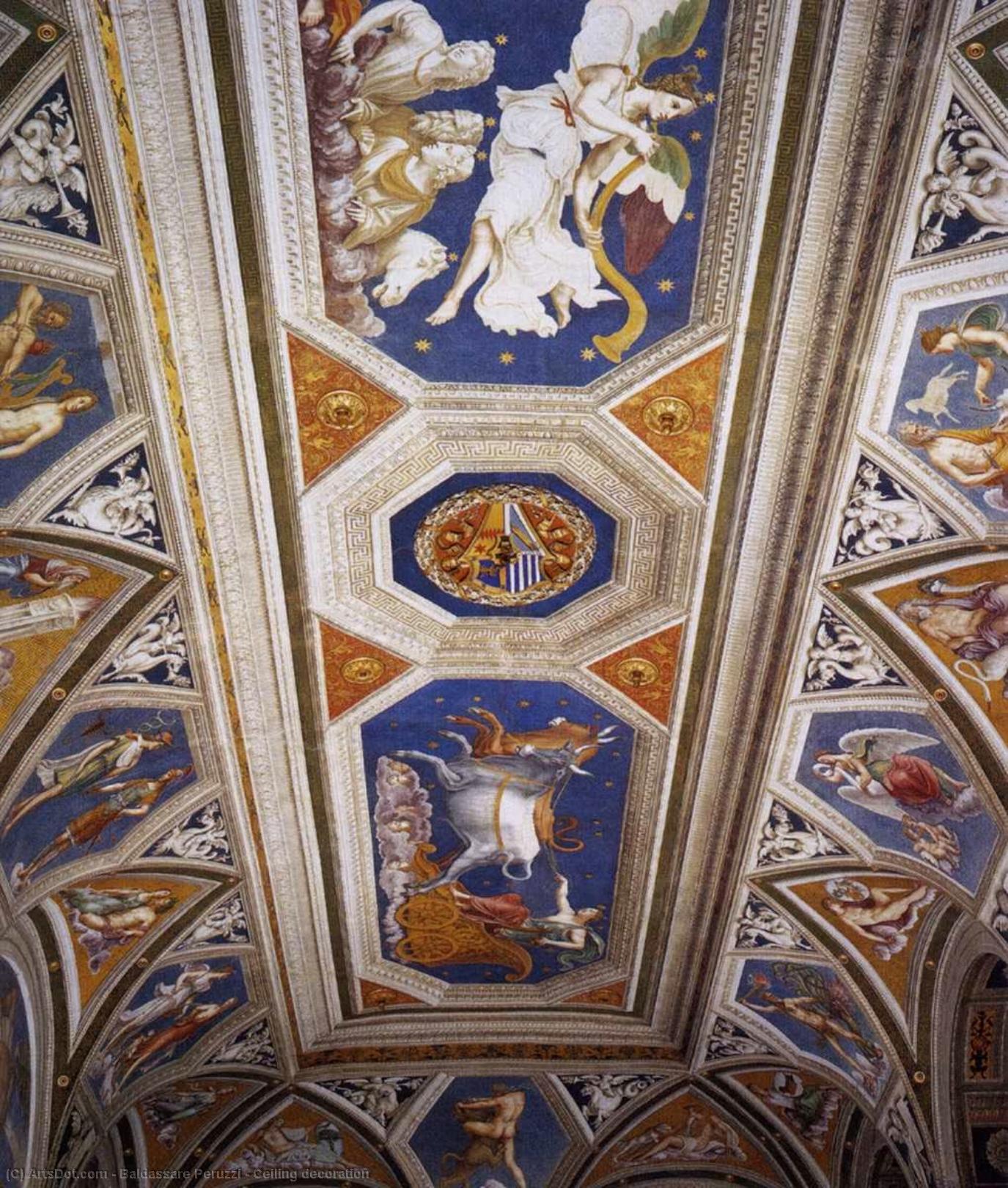
StatsCeiling decoration


 Read More
Get a print-ready file that goes far beyond the web preview. Every digital image we sell comes from a high-resolution master in our stock database — usually 5,000 to 15,000 pixels wide — so you can print large, crop tightly, or reproduce fine detail with confidence.
No file leaves our studio untouched. A digital expert checks the colors against the original painting and corrects them if needed, then improves clarity and detail with professional retouching tools — always staying faithful to the artist's brushwork and style. The result is an image that looks like the painting, not like a filtered scan.
You approve before you're done: our expert sends the image by e-mail within 72 hours for your review. Not satisfied? Ask for improvements or corrections, or request a refund if the quality falls short.
This is the quality relied on by publishers, design studios, galleries and print shops.
Digital Image
Download a high-resolution file for personal display, printing, and creative projects. ( Switch to Print Buy Hand Made Painting)
Included in Every Digital Image Order
Expert Digital Delivery, Guaranteed
When you choose OriginalUniqueArt.com, you're not just getting an image - you're receiving a professionally enhanced digital artwork, crafted with precision and backed by a satisfaction guarantee. Here's everything that comes with your order, automatically:

Fast Email Delivery
Your high-resolution digital image file will be emailed to you within 72 hours of ordering - ready for immediate use.

AI-Enhanced Digital File
Your artwork is professionally optimized using advanced AI tools and manual editing, ensuring maximum detail, clarity, and color accuracy.

Free Lifetime Re-Delivery
Accidentally deleted or lost your file? No worries - we'll resend it to you anytime, free of charge.

No Import Fees - Ever
Enjoy your artwork instantly with zero customs, duties, or delivery fees - digital downloads are always tax-free.

Color Accuracy Guarantee
We ensure your digital image reflects the original colors as closely as possible using professional tools and color management.

100-Day Satisfaction Guarantee
If you're not satisfied with your digital image, we'll revise it or refund 100% within 100 days - no questions asked.

100% Money-Back Guarantee
Not satisfied? Get a full refund within 100 days of receiving your digital file - no questions asked.

Bulk Order Discounts
Buy 3 images, save 10% - Buy 5, save 15% - Buy 10+, save 20%. Great for creative projects, galleries, and agencies.
Artist Biography
Baldassare Peruzzi: Architect of Illusion and Renaissance Grandeur
Baldassare Tommaso Peruzzi, born in the small town of Ancaiano near Siena in 1481 and tragically dying in Rome in 1536, stands as a pivotal figure bridging the High Renaissance and the burgeoning Mannerist style. More than simply an architect or painter, Peruzzi was a master of illusion, a visionary who sought to blur the boundaries between reality and artifice, creating spaces that seemed to breathe with life and grandeur. His legacy is inextricably linked to the Villa Farnesina in Rome, but his influence extended far beyond this single commission, shaping the aesthetic landscape of his time. Peruzzi’s early career was rooted in Siena, a city renowned for its artistic tradition. He began as a painter, honing his skills within the established workshops and traditions of the region. However, it was his fascination with perspective and architectural design that truly set him apart. He wasn't content to merely depict buildings; he aimed to *transform* them, to create an illusion of limitless space and breathtaking scale. This ambition led him to Rome in the early 1500s, where he quickly gained recognition for his innovative approach. He initially worked under the tutelage of established masters like Bramante, absorbing their techniques while simultaneously forging his own distinctive style. His association with Raphael proved particularly fruitful, as Peruzzi learned from the great painter’s mastery of color and composition, further informing his architectural designs.The Villa Farnesina: A Masterpiece of Illusion
Peruzzi's most celebrated achievement is undoubtedly the design and decoration of the Villa Farnesina, a lavish residence commissioned by Cardinal Agostino Chigi in 1506. This villa represents a radical departure from traditional Renaissance architecture, showcasing Peruzzi’s pioneering use of *quadratura*, or illusionistic painting. The exterior walls are adorned with intricate frescoes that extend seamlessly into the surrounding landscape, creating an astonishing sense of depth and perspective. The façade itself appears to flow outwards, defying conventional architectural constraints. Within the villa, the Sala delle Prospettive is a testament to Peruzzi’s genius – a meticulously crafted illusion of an open-air terrace overlooking a vast, idealized countryside. The use of vanishing points, carefully calculated angles, and subtle shifts in color create a remarkably convincing effect, transporting the viewer beyond the confines of the room. This wasn't simply decoration; it was a fundamental rethinking of how architecture could engage with space and perception. The influence of Melozzo da Forlì and Mantegna is evident here, but Peruzzi masterfully integrated these influences into his own unique vision.Architectural Innovations and the St. Peter’s Project
Beyond the Villa Farnesina, Peruzzi played a crucial role in the ambitious construction of St. Peter's Basilica. Following Raphael’s death, he was appointed as one of the architects responsible for overseeing the project, working closely with Antonio da Sangallo the Younger. Peruzzi contributed significantly to the basilica’s design, particularly in the development of its complex plan and the intricate detailing of its façade. He also experimented with innovative techniques for creating illusionistic effects within the vast interior spaces. His work on the Belvedere Court, a courtyard adjacent to St. Peter's, demonstrates his ability to adapt architectural principles to unusual sites, curving the facade to seamlessly integrate with the surrounding road. This showcased his understanding of urban planning and his willingness to challenge conventional design norms.Beyond Rome: Siena and the Defense of the City
Following the Sack of Rome in 1527, Peruzzi returned to his native Siena, where he was tasked with strengthening the city’s defenses against potential invaders. This period marked a shift in his architectural focus, as he designed a series of impressive bastions – fortified structures strategically positioned along Siena's walls. These bastions were not merely defensive installations; they were works of art in their own right, incorporating intricate decorative elements and showcasing Peruzzi’s mastery of perspective and illusionistic painting. The bastions near San Viene and Camollia stand as enduring testaments to his ingenuity and skill.Legacy and Influence
Baldassare Peruzzi's legacy extends far beyond the specific buildings he designed. He was a pioneer in the field of *quadratura*, fundamentally altering the way architects approached space and illusion. His innovative use of perspective, axonometry, and illusionistic painting influenced generations of artists and architects who followed. His meticulous drawings, particularly those related to St. Peter’s Basilica, provide invaluable insights into his design process and demonstrate his remarkable attention to detail. While often overshadowed by the brilliance of Raphael and Bramante, Baldassare Peruzzi deserves recognition as a key figure in the development of Renaissance art and architecture—a master who dared to transform reality through the power of illusion.
Baldassare Peruzzi
1481 - 1537 , Italy
Quick Facts
- Artistic Movement Or Style: High Renaissance and Mannerism
- Artists Who Influenced This Artist:
- Bramante
- Raphael
- Full Name: Baldassare Tommaso Peruzzi
- Nationality: Italian
- Notable Artworks:
- Villa Farnesina
- Sala delle Prospettive
- View of the Loggia di Galatea
- Volta Dorata
- Place Of Birth: Siena, Italy
- Date Of Birth: 1481
- Date Of Death: 1537