
 Preview
 Send
Send Share
Share
 Details

 Download
 Similars
 X-Ray
X-Ray Diaporama
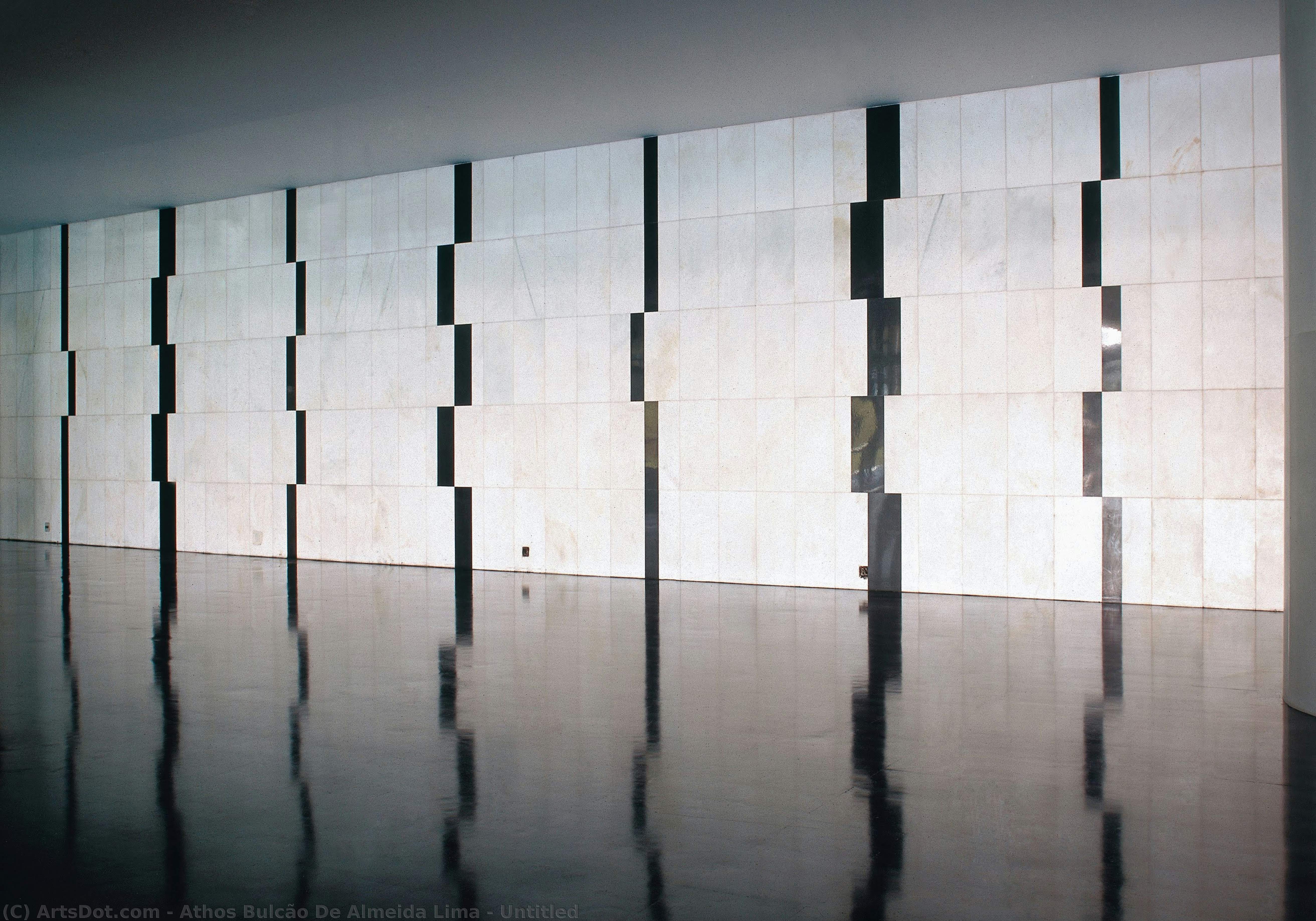
Untitled
 1960
1960 450.0 x 2400.0 cm
 Chamber of Deputies
 Read More
Hand Made Oil Reproduction
Hand-painted oil on canvas in your size and frame, made to order by our artists. ( Buy Print Buy Image)




































Pick from our preset sizes that match the artwork's original proportions.

You may enter your own dimensions to fit a specific frame or space. If your selected size does not match the original image's proportions, we will either crop the artwork or extend the painting with additional hand-painted elements. A digital mockup will be sent for your approval before production begins.
Please note that the on-screen preview does not reflect the actual cropping or extension. Only the mockup will accurately show the final composition.
While custom sizes are available, we recommend selecting a dimension from the predefined list to preserve the original proportions.
After order, OriginalUniqueArt.com team will email client for instructions and provide a mockup preview
Worldwide Delivery () in 3/4 weeks instead of standard 5 weeks. (21 August). No compromise on quality.

Free Worldwide Express Shipping

High-Quality Linen Canvas

Full Shipping Insurance

Customs Tax Refund Guarantee

True Color Matching Guarantee

60-Day Return Policy (Defects Only)

100% Money-Back Guarantee

Bulk Discount Offer
 Glass option is only available in size under 110 CM

Untitled
Reproduction Medium
Reproduction Size
-


Total Price
$ 300
Artist Biography
A Life Woven in Color and Form: The World of Athos Bulcão
Athos Bulcão de Almeida Lima, a name synonymous with the vibrant heart of Brazilian Modernism, was born into a Rio de Janeiro brimming with artistic potential on July 2nd, 1918. His early life was marked by personal loss – the passing of his mother when he was young – but nurtured by the practical artistry of his father, Fortunato Bulcão, a skilled metalworker. This grounding in craft would prove formative, subtly influencing the geometric precision and tactile quality that would later define his work. Initially drawn to medicine, Athos soon discovered his true calling lay not in healing bodies, but in stirring souls through visual expression. He abandoned medical school, embracing instead the path of a painter, a decision that would irrevocably alter the landscape of Brazilian art.From Pampulha to Brasília: A Collaborative Spirit
The 1940s proved pivotal for Bulcão’s artistic development. An early opportunity arose assisting Cândido Portinari on the monumental “São Francisco de Assis” painting within the walls of the Pampulha Church in Belo Horizonte. This experience, steeped in religious iconography and large-scale composition, undoubtedly broadened his artistic horizons. A subsequent sojourn to Paris until 1949 exposed him to the currents of European abstraction, yet upon his return to Brazil, it was a collaboration with architect Oscar Niemeyer that truly ignited his creative trajectory. Their partnership became legendary, inextricably linked to the very creation of Brasília. Bulcão wasn’t merely decorating spaces designed by Niemeyer; he was integral to their conception, infusing the city's architecture with a uniquely Brazilian spirit through his innovative use of *azulejos* – glazed ceramic tiles. He understood how to translate architectural volumes into dynamic visual experiences, creating a harmonious dialogue between form and color.The Language of Geometry: Style and Innovation
Bulcão’s artistic language is instantly recognizable: an embrace of abstract and geometric forms rendered in a palette of often strikingly bright colors. He wasn't interested in representational accuracy; instead, he sought to evoke emotion and create atmosphere through the interplay of shape, line, and hue. His tile panels weren’t simply decorative elements but integral components of the architectural environment, designed to interact with light and shadow, movement and stillness. A key aspect of his process was a deliberate relinquishing of control during installation. He would design the individual tiles, often abstracting from natural forms or everyday objects, then entrust their placement to construction workers, allowing for an element of chance and improvisation. This approach resulted in compositions that felt organic and alive, defying rigid repetition and embracing subtle variations. Notable works like “Untitled” (a testament to his innovative metalwork) and the evocative “Sabará” demonstrate this unique aesthetic sensibility. Even pieces like "Cena de Bar - Vermelhinho" offer glimpses into a vibrant social life interwoven with artistic exploration.A Lasting Legacy: Beyond Brasília
Athos Bulcão’s influence extends far beyond the iconic cityscape of Brasília. His work graces numerous public and private spaces throughout Brazil, from hospitals and schools to embassies and theaters. He didn't confine himself to tilework; he also explored sculpture and painting, consistently pushing the boundaries of his artistic expression. The Fundação Athos Bulcão, established in Brasília in 1992, stands as a testament to his enduring legacy, dedicated to preserving his work, fostering education, and inspiring future generations of artists. He passed away on July 31st, 2008, succumbing to complications from Parkinson’s disease, but his artistic spirit continues to resonate throughout Brazil and beyond. Bulcão wasn't just an artist; he was a visionary who helped define the aesthetic identity of a nation, proving that art could be both profoundly personal and deeply integrated into the fabric of everyday life. His work remains a powerful reminder of the transformative potential of color, form, and collaborative creativity.
Athos Bulcão de Almeida Lima
1918 - 2008 , Brazil
Quick Facts
- Artistic Movement Or Style: Abstract, Geometric
- Artists Who Influenced This Artist:
- Cândido Portinari
- Oscar Niemeyer
- Date Of Birth: July 2, 1918
- Date Of Death: July 31, 2008
- Full Name: Athos Bulcão de Almeida Lima
- Nationality: Brazilian
- Notable Artworks:
- Untitled
- Sabará
- Cena de bar - Vermelhinho
- Place Of Birth: Rio de Janeiro, Brazil



