

 Send
Send Share
Share
 Details
 Guide
Guide

 Download
 Similars
 Diaporama
 Stats
StatsClock face
 Gold Leaf
- Sculpture
- Rococo
 1715
1715- Early Modern
 43.0 x 43.0 cm
 Wallace Collection
 Read More
Giclée / Art Print
Museum-quality giclée or canvas print with fast production and flexible finish options. ( Buy Hand Made Painting Switch to Digital Image)




































Pick from our preset sizes that match the artwork's original proportions.

Type the width and the height you need, to fit your frame or your wall. A print can only be cut, never made bigger than the picture, so a size with a different shape loses a part of the image. We send you a digital mockup to approve before we print anything. The picture shown on this page does not show the real cut — only the mockup does.
Worldwide Delivery () in 2 weeks instead of standard 4/5 weeks. (25 October)

Free Worldwide Express Shipping

High-Quality Linen Canvas

Full Shipping Insurance

Customs Tax Refund Guarantee

True Color Matching Guarantee

100-Day Return Policy (Defects Only)

100% Money-Back Guarantee

Bulk Discount Offer
 Glass option is only available in size under 110 CM

Clock face
Giclée / Art Print
Reproduction Size
-


Total Price
$ 81
A Symphony of Gold and Tortoiseshell
In the grand tapestry of French decorative arts, few names resonate with as much prestige as André-Charles Boulle. His 1715 masterpiece, the Clock Face, serves as a breathtaking testament to the opulent aesthetic of the Louis XIV era—a period where craftsmanship was not merely a skill, but a conduit for royal power and divine right. To gaze upon this piece is to step into a realm of unparalleled luxury, where the boundaries between functional object and fine art dissolve into a shimmering display of Rococo grandeur. The artwork immediately captivates the viewer through its masterful use of light and texture, dominated by an expansive, radiant gold leaf that reflects brilliance from every angle.
The technical virtuosity of Boulle is most evident in the exquisite interplay of materials. The clock face is a masterclass in the "Boulle work" technique, featuring intricate panels of tortoiseshell inlay that mimic the organic, fossilized beauty of nature. This precious material, paired with the luminous sheen of gilded brass, creates a visual drama that is both tactile and profound. For the discerning collector or interior designer, this piece offers more than just decoration; it provides a focal point of historical weight, bringing the sophisticated atmosphere of a 18th-century Parisian salon into a contemporary setting.
The Dance of Neoclassical Order and Rococo Flourish
While the initial impression of the clock is one of exuberant ornamentation, a closer inspection reveals a sophisticated tension between opposing artistic movements. The piece embodies the flamboyant spirit of the Rococo style, characterized by its flowing, asymmetrical lines and organic curves that seem to pulse with life. Yet, beneath this decorative surface lies a subtle foundation of Neoclassical restraint. Boulle masterfully incorporates geometric patterns within the frame, providing a structural counterbalance to the more whimsical elements of the design.
This delicate balance is most beautifully realized in the depiction of the cherubs that flank the central timepiece. These angelic figures are not mere embellishments; they are deeply symbolic actors in a larger narrative of time and eternity. As they adorn the gilded frame, their soft, rounded forms contrast with the rigid precision of the clock's mechanics, suggesting the eternal nature of the divine amidst the relentless, ticking march of human hours. The presence of these figures imbues the work with a sense of spiritual aspiration, transforming a mechanical device into a meditative object of beauty.
An Enduring Legacy for the Modern Collector
Owning or displaying a high-quality reproduction of Boulle’s work is an invitation to engage with history. The Clock Face remains a pinnacle of the "furniture jeweler" tradition, representing a time when every detail was meticulously executed to inspire awe. For those seeking to infuse a space with character and historical depth, this piece offers an unparalleled opportunity to celebrate the intersection of artistry and engineering.
Whether placed in a curated gallery or serving as a centerpiece in a luxurious residential interior, the emotional impact of the clock is undeniable. It evokes a sense of permanence, elegance, and the timeless allure of the French Golden Age. To bring this piece into one's collection is to preserve the legacy of André-Charles Boulle, ensuring that the dazzling brilliance of his craftsmanship continues to illuminate the modern world.
Questions & Answers
Where can I find statistics about "Clock face" by André-Charles Boulle?
Statistics about "Clock face" by André-Charles Boulle are on the artwork's Stats page: monthly visits of the artwork, visits of the artist's works, and country and language breakdowns of recent visitors.
How strong are the colors of "Clock face"?
The colors of "Clock face" by André-Charles Boulle show a balanced soft saturation with a balanced intensity.
Why is "Clock face" by André-Charles Boulle recommended as a gift?
The calm tone of "Clock face" by André-Charles Boulle matches its recommended gift occasion: anniversary.
Artist Biography
The Architect of Louis XIV Style
André-Charles Boulle (1642 – 1732) stands as a titan amongst French cabinetmakers, his name synonymous with opulent craftsmanship and the very embodiment of Louis XIV’s grandeur. More than just a furniture maker, Boulle was an innovator who fundamentally reshaped European taste, establishing a distinctive style—the ‘Boulle’ marquetry—that captivated royalty and aristocrats alike for decades to come. His legacy continues to inspire artisans today, cementing his place as one of the most influential figures in 17th-century decorative arts.
Born in Paris around 1642, he descended from a family steeped in artisanal tradition; his father, Jean Boulle, was himself a respected cabinetmaker. This familial connection provided him with an invaluable grounding in the craft, instilling within him not merely skill but also a deep appreciation for meticulous detail and artistic vision. While biographical details of his early years remain shrouded in the mists of time, his training undoubtedly prepared him for the extraordinary achievements that would follow, allowing him to rise to the prestigious position of ébéniste du roi.
The Revolution of Marquetry
Boulle’s genius resided primarily in his mastery of marquetry—a technique involving inlaying decorative materials like tortoiseshell, brass, pewter, and ivory into ebony or walnut veneers. Unlike previous methods which relied on simpler carving techniques, Boulle perfected a revolutionary process that achieved unparalleled levels of intricacy and realism. He meticulously hammered thin sheets of metal – primarily brass – onto the surface of the wood veneer, creating a raised relief effect that mimicked natural textures like foliage and stone.
This painstaking labor demanded exceptional precision and patience, resulting in furniture pieces that possessed breathtaking beauty and technical complexity. His work often featured:
- Intricate Brass Inlay: The use of fine metalwork to create shimmering, light-catching patterns.
- Tortoiseshell Elegance: The incorporation of organic, translucent materials to add depth and warmth.
- Royal Symbolism: Designs that reflected the power, prestige, and absolute authority of the French monarchy.
A Legacy of Opulence and Innovation
The impact of Boulle's work extended far beyond the borders of France, influencing the decorative arts of entire continents. His ability to blend neoclassical design with the emerging flourishes of the Rococo period allowed his pieces to remain relevant through shifting aesthetic tides. Whether it was a Barômetre en ébène et bronze doré reflecting the scientific curiosity of the age, or an opulent Cabinet from 1675 showcasing royal grandeur, each piece served as a testament to his unparalleled skill.
Even in smaller, more delicate works like his 1715 clock faces, one can observe the breathtaking detail of gilded gold and cherubs that defined his era. His mastery of gilded bronze and complex patterns created a visual language of luxury that remains the benchmark for fine cabinetry. Today, when we look upon the intricate layers of brass and ebony, we are not merely looking at furniture, but witnessing the enduring spirit of an artist who turned wood and metal into eternal poetry.

André-Charles Boulle
1642 - 1732 , France
Quick Facts
- Full Name: André-Charles Boulle
- Nationality: French
- Date Of Birth: 1642
- Date Of Death: 1732
- Place Of Birth: Paris, France
- Notable Artworks:
- Barometer Clock
- Writing Table
- Wardrobe and Clock
- Artistic Movement Or Style: Louis XIV Style / Boulle Marquetry
- Artists Who Influenced This Artist: ['Jean Boulle']
- Artists Or Movements Influenced By This Artist: ['Rococo']
Related Articles

Illuminating the Enlightenment: A Comprehensive Exploration of 18th-Century Painting
Explore the captivating world of 18th-century painting! Discover Rococo's playful elegance & Neoclassicism’s Enlightenment ideals with expert insights into Fragonard, David, and more. A comprehensive guide for art enthusiasts.

The Rococo Aesthetic: Opulence, Rebellion & the Pursuit of Pleasure in 18th-Century Art
Explore the opulent world of Rococo art! Discover its origins, key artists like Watteau & Boucher, and lasting influence on design. Expert insights for collectors & enthusiasts.

Rococo's Radiant Legacy: 10 Masterpieces for Your Home |
Indulge in the elegance of Rococo! Explore 10 masterpieces by Fragonard, Boucher & Watteau. Discover the stories behind these iconic paintings and bring timeless art to your home with museum-quality reproductions from .
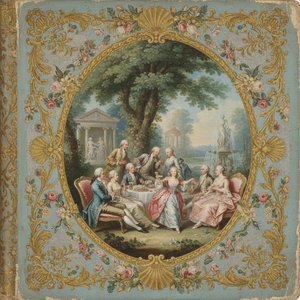
The Rococo Style: Aristocratic Leisure & the Pursuit of Delight in 18th-Century Art
Explore the opulent world of Rococo art! Discover Watteau, Boucher & Nattier's masterpieces. Expert insights for collectors seeking museum-quality reproductions and custom portraits at OriginalUniqueArt.

Charles-André van Loo: A Study in Rococo Portraiture & the French Court's Artistic Dynamics
Explore the elegant world of Charles-André van Loo, a master of Rococo portraiture at the French court. Discover his life, techniques, and enduring influence on 18th-century art. Hand-painted reproductions available.


