Preview
 Send
Send Share
Share
 Details
 Guide
Guide

 Download
 Similars
 X-Ray
X-Ray Diaporama
 Stats
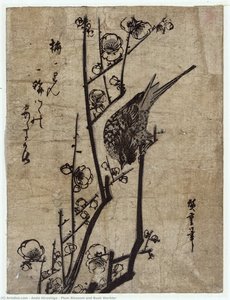
StatsHydrangea and Kingfisher


 Read More
Giclée / Art Print
Museum-quality giclée or canvas print with fast production and flexible finish options. ( Buy Hand Made Painting Switch to Digital Image)




P118B $10

P118H $10

P118W $10

P438Z $10

P508JH $12

P508YH $12

P805H $10

P805Z $10

P919BZ $10

P919G $10

P919XJ $10

P959ZH $10

P968JZ $12

W106C $8

W218G $10

W218JH $8

W218Y $10

W307PJ $10

W316G $10

W316PJ $8

W316Y $10

W398PJ $8

W4111J $10

W500HY $15

W500JH $15

W692G $12

W849H $8

W940BG $15

W953PJ $8




Pick from our preset sizes that match the artwork's original proportions.

Type the width and the height you need, to fit your frame or your wall. A print can only be cut, never made bigger than the picture, so a size with a different shape loses a part of the image. We send you a digital mockup to approve before we print anything. The picture shown on this page does not show the real cut — only the mockup does.
Worldwide Delivery () in 2 weeks instead of standard 4/5 weeks. (24 October)

Free Worldwide Express Shipping

High-Quality Linen Canvas

Full Shipping Insurance

Customs Tax Refund Guarantee

True Color Matching Guarantee

100-Day Return Policy (Defects Only)

100% Money-Back Guarantee

Bulk Discount Offer
 Glass option is only available in size under 110 CM

Hydrangea and Kingfisher
Giclée / Art Print
Reproduction Size
-


Total Price
$ 81
A Serene Encounter in Ink
In the quietude of a traditional Japanese hanging scroll, a moment of profound stillness unfolds. Hydrangea and Kingfisher is not merely a depiction of nature, but an invitation to pause and breathe. The artwork presents a vibrant blue hydrangea bush, its blossoms rendered with a delicate touch that suggests both weight and ethereal lightness. Perched amidst the lush, rounded petals is a striking kingfisher, a jewel of the avian world, captured in a moment of poised contemplation. This composition, characteristic of the suibokuga or ink wash tradition, utilizes the subtle gradations of monochromatic tones to create a sense of deep, atmospheric space. The pale, neutral background acts as a void of infinite possibility, allowing the organic forms of the plant and bird to emerge with a clarity that feels both intimate and monumental.
The mastery of Ando Hiroshige is evident in the fluid, expressive brushstrokes that define this piece. Eschewing rigid outlines for the more evocative technique of ink washes, the artist employs varying densities of black ink to simulate the velvety texture of petals and the sleek, aerodynamic form of the bird's plumage. This method, known as Sumi-e, relies on the meticulous control of moisture and pressure to breathe life into the paper. The lighting is soft and diffused, devoid of harsh shadows, which lends the scene a dreamlike, timeless quality. For the discerning collector or interior designer, this piece offers a sophisticated balance of visual interest and calming minimalism, making it an ideal focal point for spaces dedicated to reflection and tranquility.
Symbolism and the Poetic Soul of Edo
Beyond its aesthetic elegance, the artwork is steeped in the rich symbolic language of Japanese culture. The hydrangea, with its clusters of blooms, often serves as a metaphor for gratitude, heartfelt emotion, and prosperity. When paired with the kingfisher—a bird frequently associated with freedom, good fortune, and the vitality of nature—the painting becomes a visual poem celebrating harmony and the interconnectedness of all living things. This thematic depth is further enriched by the calligraphic inscription at the bottom right, which provides a literary anchor to the visual imagery, grounding the ephemeral beauty of the scene in a tradition of scholarly appreciation.
To possess a reproduction of such a work is to bring a piece of the Edo period's poetic vision into the modern home. The artwork transcends simple decoration; it serves as a window into a world where the smallest details of the natural landscape are treated with reverence and spiritual significance. Whether placed in a contemporary gallery-style living room or a more traditional study, Hydrangea and Kingfisher radiates an aura of sophisticated grace, offering a perennial sense of peace to all who gaze upon its delicate, ink-washed beauty.
Questions & Answers
Who sells hand-painted copies of "Hydrangea and Kingfisher" by Ando Hiroshige?
You can order a hand-painted reproduction of "Hydrangea and Kingfisher" by Ando Hiroshige directly on its Hand-Painted Reproduction page: a hand-painted oil reproduction on linen canvas, made to order.
Is "Hydrangea and Kingfisher" one of Ando Hiroshige's most popular works?
The popularity level recorded for "Hydrangea and Kingfisher" by Ando Hiroshige is recognized.
Where can I find statistics about "Hydrangea and Kingfisher" by Ando Hiroshige?
Statistics about "Hydrangea and Kingfisher" by Ando Hiroshige are on the artwork's Stats page: monthly visits of the artwork, visits of the artist's works, and country and language breakdowns of recent visitors.
Artist Biography
A Poetic Vision of Edo Japan: The Life and Art of Ando Hiroshige
Ando Hiroshige, born Andō Tokutarō in 1797 within the bustling heart of Edo (modern Tokyo), wasn’t initially destined for a life steeped in artistic expression. His lineage traced back to samurai origins, yet fate took an unexpected turn with the untimely loss of his parents during his youth. This pivotal moment led to an apprenticeship under Utagawa Toyohiro, a respected figure within the *ukiyo-e* tradition – a world of woodblock prints capturing the ephemeral beauty of everyday life. While early works didn’t immediately garner acclaim, Hiroshige diligently honed his skills, patiently refining his technique and gradually forging a path toward artistic recognition. He even briefly fulfilled familial obligations as a fire warden, a stark contrast to the delicate landscapes that would ultimately define his legacy. This blend of duty and burgeoning artistry shaped a unique perspective, one deeply attuned to both the grandeur and the quiet moments of Edo society.Landscapes That Breathe: Hiroshige’s Artistic Development
Hiroshige's true breakthrough came with his dedication to landscape prints, a genre considered somewhat minor at the time. He transcended mere representation, imbuing his scenes with an emotional resonance that resonated deeply with audiences. His work wasn’t simply *about* places; it was about the feeling of being in those places – the gentle mist clinging to Mount Fuji, the bustling energy of the Tokaido Road, the serene beauty of a plum orchard in bloom. His series became windows into the soul of Japan. The iconic “Thirty-six Views of Mount Fuji” stands as a testament to this mastery, presenting the sacred mountain from countless perspectives, each revealing a different facet of its symbolic power. Equally celebrated is "Fifty-three Stations of the Tōkaidō," a meticulously detailed chronicle of the vital trade route connecting Edo and Kyoto. These weren’t just maps; they were vibrant snapshots of life in motion, capturing the travelers, merchants, and landscapes that defined this crucial artery of Japanese commerce. One Hundred Famous Views of Edo, his most ambitious undertaking, offered a panoramic vision of the capital city, showcasing its diverse neighborhoods, scenic vistas, and cultural landmarks with unparalleled detail and sensitivity.The Influence of Japonisme: A Bridge to the West
By the late 19th century, Hiroshige’s art had embarked on an extraordinary journey westward, becoming a cornerstone of the *Japonisme* movement that swept through Europe. European artists, captivated by the unique aesthetic sensibilities of Japanese prints, eagerly absorbed Hiroshige's innovative techniques and compositional approaches. The impact was profound. Vincent van Gogh, deeply moved by Hiroshige’s use of color and perspective, created his own interpretations of several prints, demonstrating a clear admiration for the Japanese master. Claude Monet, another leading figure in Impressionism, also drew inspiration from Hiroshige's atmospheric effects and emphasis on capturing fleeting moments. The influence extended beyond painting; elements of Hiroshige’s designs can be seen in the flowing lines and natural motifs of Art Nouveau. His work wasn’t merely copied but served as a catalyst for artistic innovation, prompting Western artists to re-evaluate their own approaches to color, composition, and subject matter.A Lasting Legacy: Hiroshige's Historical Significance
Ando Hiroshige passed away in 1858, leaving behind a body of work that continues to captivate and inspire. He is often regarded as the last great master of *ukiyo-e*, marking a turning point in Japanese art history. His emphasis on landscape, his poetic sensibility, and his innovative use of color and composition set him apart from his contemporaries and paved the way for future generations of artists.- His prints offer invaluable insights into life in Edo-period Japan.
- He elevated landscape painting to new heights within the *ukiyo-e* tradition.
- His work played a crucial role in introducing Japanese art and aesthetics to the West.

Ando Hiroshige
1797 - 1858 , Japan
Quick Facts
- Artistic Movement Or Style: Ukiyo-e
- Artists Or Movements Influenced By This Artist:
- Impressionism
- Post-Impressionism
- Van Gogh
- Monet
- Artists Who Influenced This Artist:
- Utagawa Toyohiro
- Katsushika Hokusai
- Date Of Birth: 1797
- Date Of Death: 1858
- Full Name: Ando Hiroshige
- Nationality: Japanese
- Notable Artworks:
- Thirty-six Views of Mount Fuji
- Fifty-three Stations of the Tōkaidō
- One Hundred Famous Views of Edo
- Place Of Birth: Tokyo, Japan
Related Articles
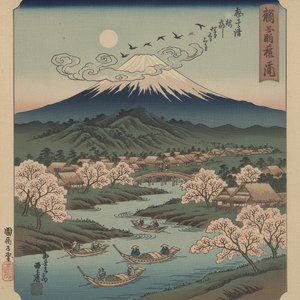
Ukiyo-e's Poetic Visionary: Hiroshige Ando & the Transformation of Landscape in 19th-Century Japan
Explore the life & art of Ando Hiroshige, Japan's last great ukiyo-e master. Discover his iconic landscapes, poetic style, and profound influence on Western Impressionism. Learn about The Fifty-Three Stations & more!
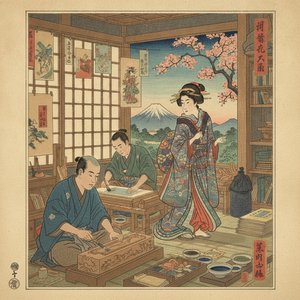
Floating World: The Captivating Art and Legacy of Japanese Ukiyo-e
Explore the profound beauty of Japanese Ukiyo-e. Discover the history, masters like Hokusai, and the enduring legacy of the 'Floating World' through an expert art-historical lens.
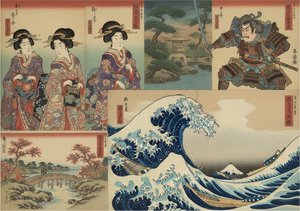
Ukiyo-e: Exploring Japan's Floating World & Enduring Artistic Legacy
Explore the captivating world of Ukiyo-e – Japan's iconic woodblock prints! Discover masters like Hokusai & Hiroshige, learn about Edo period culture, and find expert art collecting guidance at OriginalUniqueArt.

Hokusai's Masterpieces: 25 Iconic Prints & Paintings for Art Lovers | OriginalUniqueArt
Journey through Katsushika Hokusai’s 25 most iconic artworks, including *The Great Wave*. Explore the ukiyo-e master's history, style & timeless Japanese woodblock prints. Find museum-quality reproductions for your home at OriginalUniqueArt.com.
Serenity on Canvas: A Guide to the Timeless Beauty of Japanese Landscape Painting
Discover the serene beauty of Japanese landscape painting. From Hokusai's iconic woodblock prints to meditative sumi-e ink washes, explore a visual journey through the 'floating world' and learn how to bring this timeless Zen aesthetic into your modern home decor.