
 Preview
 Send
Send Share
Share
 Details

 Download
 Similars
 X-Ray
X-Ray Diaporama
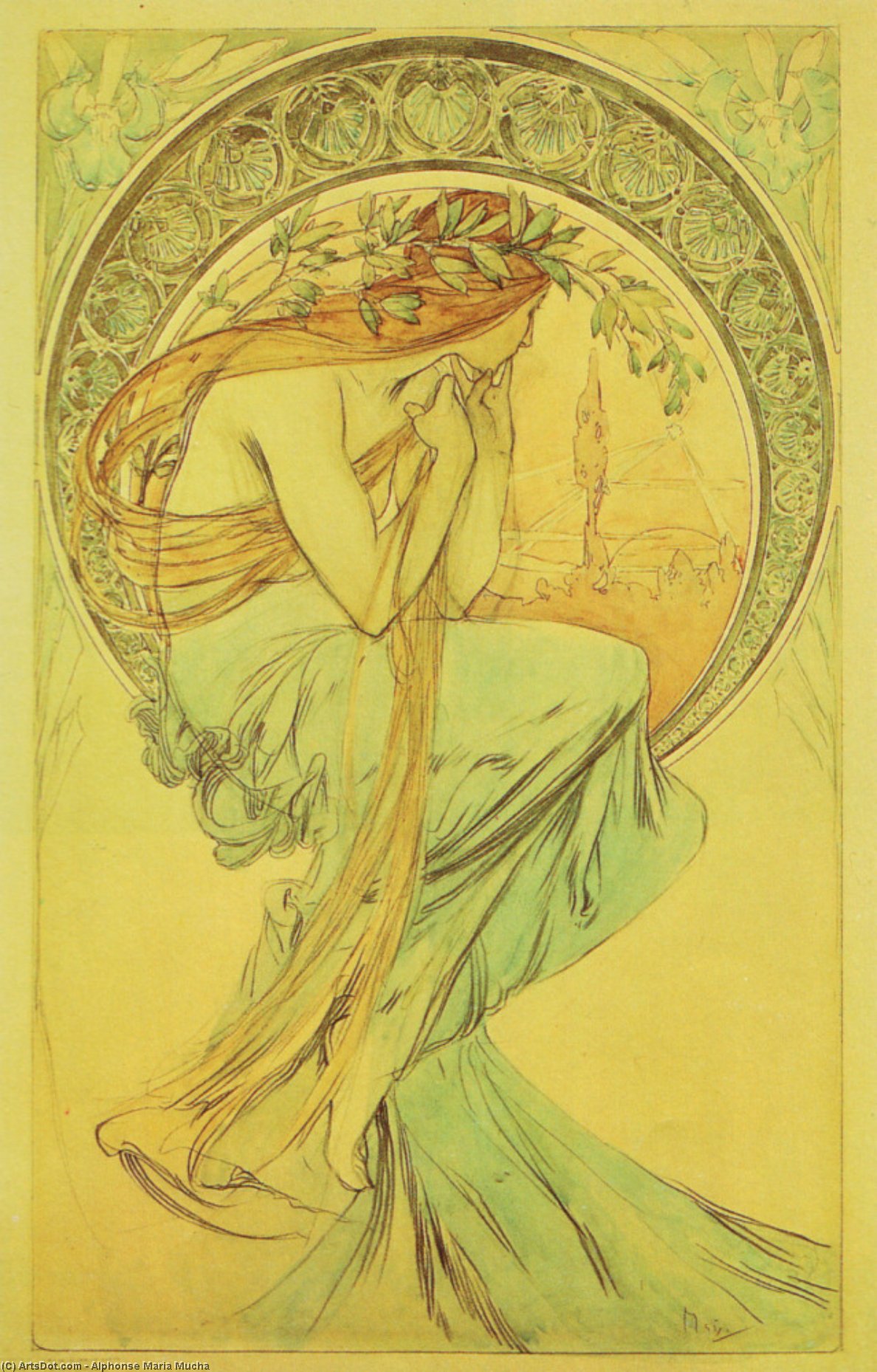
Study for Poetry

 Read More
Hand Made Oil Reproduction
Hand-painted oil on canvas in your size and frame, made to order by our artists. ( Buy Print Buy Image)




P118B $10

P118H $10

P118W $10

P438Z $10

P508JH $12

P508YH $12

P805H $10

P805Z $10

P919BZ $10

P919G $10

P919XJ $10

P959ZH $10

P968JZ $12

W106C $8

W218G $10

W218JH $8

W218Y $10

W307PJ $10

W316G $10

W316PJ $8

W316Y $10

W398PJ $8

W4111J $10

W500HY $15

W500JH $15

W692G $12

W849H $8

W940BG $15

W953PJ $8




Pick from our preset sizes that match the artwork's original proportions.

You may enter your own dimensions to fit a specific frame or space. If your selected size does not match the original image's proportions, we will either crop the artwork or extend the painting with additional hand-painted elements. A digital mockup will be sent for your approval before production begins.
Please note that the on-screen preview does not reflect the actual cropping or extension. Only the mockup will accurately show the final composition.
While custom sizes are available, we recommend selecting a dimension from the predefined list to preserve the original proportions.
After order, OriginalUniqueArt.com team will email client for instructions and provide a mockup preview
Worldwide Delivery () in 3/4 weeks instead of standard 5 weeks. (13 August). No compromise on quality.

Free Worldwide Express Shipping

High-Quality Linen Canvas

Full Shipping Insurance

Customs Tax Refund Guarantee

True Color Matching Guarantee

60-Day Return Policy (Defects Only)

100% Money-Back Guarantee

Bulk Discount Offer
 Glass option is only available in size under 110 CM

Study for Poetry
Reproduction Medium
Reproduction Size
-


Total Price
$ 300
Artwork Description
A Moment of Contemplation: Mucha’s “Study for Poetry”
Alphonse Maria Mucha's "Study for Poetry," a captivating work from his early Parisian period, offers a profound glimpse into the artist’s burgeoning mastery of Art Nouveau. This seemingly simple depiction – a woman seated in quiet reflection – is far more than just a portrait; it’s an embodiment of the movement’s core tenets: a celebration of natural forms, a yearning for beauty, and a deeply romantic sensibility. The painting immediately draws the eye to the central figure, a young woman with cascading auburn hair that seems to flow almost independently of her pose. Her expression is one of serene contemplation, inviting the viewer into her private world. The subtle details – the delicate crown adorning her head, the folds of her garment – speak volumes about Mucha’s meticulous attention to detail and his desire to elevate everyday subjects to the realm of art.
The Language of Art Nouveau
Mucha's style in this piece is immediately recognizable as a cornerstone of Art Nouveau. Notice the absence of harsh angles or rigid lines; instead, everything curves and flows – from the woman’s hair to the decorative elements within the room. This organic approach was heavily influenced by Mucha’s studies of Japanese prints and his admiration for artists like Pierre-Auguste Renoir. The use of rich, saturated colors—deep reds, greens, and golds—further enhances the painting's luxurious feel, a hallmark of the style intended to evoke a sense of opulence and refinement. The composition itself is carefully balanced, creating a harmonious visual experience that reflects Mucha’s belief in art as a means of elevating the spirit.
Symbolism and Setting
Beyond its aesthetic qualities, “Study for Poetry” is rich with symbolic elements. The clock on the wall serves not just as a functional object but also represents the passage of time and the fleeting nature of beauty – themes frequently explored in Art Nouveau. The vase and potted plants introduce an element of natural serenity, reinforcing the painting’s overall mood of tranquility. These additions are characteristic of Mucha's approach: he didn't simply depict reality; he imbued it with meaning and emotion. The woman’s posture, lost in thought, suggests a connection to Romantic ideals – a focus on individual experience and the power of imagination.
A Legacy of Beauty
Created during a pivotal moment in Mucha’s artistic development, “Study for Poetry” demonstrates his early experimentation with the techniques that would define his career. It's a testament to his ability to synthesize classical influences – evident in the idealized form of the woman – with the innovative spirit of Art Nouveau. This work foreshadows his later success with poster design and decorative panels, solidifying his place as one of the most influential artists of the late 19th and early 20th centuries. A reproduction of “Study for Poetry” offers a beautiful addition to any interior space, bringing a touch of Mucha’s timeless elegance and contemplative spirit into your home.
Artist Biography
Early Life and Education
- Born: July 15, 1860, in Ivanačice, Moravia (now part of the Czech Republic)
- Showed artistic talent from a young age.
- Studied at the Academy of Fine Arts in Prague but became disillusioned with traditional approaches.
- Moved to Paris in 1887 to pursue his own style.
Artistic Style and Notable Works
- Known for distinctive Art Nouveau style characterized by flowing lines, organic forms, and a sense of movement.
- Influenced by artists like Pierre-Auguste Renoir and Gustave Moreau.
- Notable Works:
- The Slavonic Uprising - Showcases blending traditional Czech motifs with modern Art Nouveau elements.
- Salon des Cent
- Paintings inspired by works like The Daughters of Tespio by Gustave Moreau, and La Ribambelle des Gobelins by Piero Dorazio.
- Illustrations based on Young Farmers Breaking Flax by Sir Hubert von Herkomer.
- Frequently featured idealized women in flowing robes surrounded by lush flowers.
Career Highlights and Major Commissions
- Sarah Bernhardt Collaboration: Created posters and designs for the actress Sarah Bernhardt, starting with the poster for Gismonda (1894), which launched his career.
- Universal Exhibition in Paris (1900): His Art Nouveau style gained international recognition at this exhibition. He decorated the Bosnia and Herzegovina Pavilion and collaborated on the Austrian Pavilion.
- Charles Richard Crane Patronage: Received support from Charles Richard Crane, which enabled him to create the monumental series The Slav Epic (1912-30).
- Post-Independence Czechoslovakia: Designed postage stamps, banknotes, and government documents for newly independent Czechoslovakia.
Influences and Legacy
- Influenced by Czech artistic traditions and modern European art movements.
- His unique style paved the way for future generations of artists in Art Nouveau and Secessionism.
- Inspired other artists like Eva Prokopcová.
- Legacy extends beyond his artwork to influence design and aesthetics.
Later Life and Death
- Married Maruska (Marie/Maria) Chytilová in 1906.
- Visited the United States from 1906-1910, where their daughter Jaroslava was born.
- Died on July 14, 1939, in Prague, Czechoslovakia.

Alphonse Mucha
1860 - 1939 , Czech Republic
Quick Facts
- Artistic Movement Or Style: Art Nouveau
- Artists Or Movements Influenced By This Artist: ['Eva Prokopcová']
- Artists Who Influenced This Artist:
- Pierre-Auguste Renoir
- Gustave Moreau
- Dante Gabriel Rossetti
- Date Of Birth: July 15, 1860
- Date Of Death: 1939
- Full Name: Alphonse Maria Mucha
- Nationality: Czech
- Notable Artworks:
- Slavic Uprising
- Salon des Cent
- The Daughters of Tespio
- La Ribambelle des Gobelins
- Young Farmers Breaking Flax
- Place Of Birth: Brno, Czech Republic



