Text size

() ·

A painting made for you, by hand

The Steerage

Hand Made Oil Reproduction

Hand-painted oil on canvas in your size and frame, made to order by our artists. ( Switch to Print Switch to Digital Image)

Collectible Description

Alfred Stieglitz’s "The Steerage" – a pivotal 1907 black & white photo capturing immigrant life. Explore this iconic modernist masterpiece and its historical significance.

Artist Biography

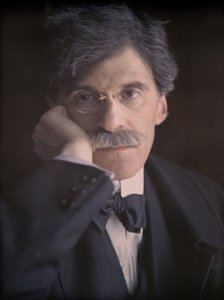
Alfred Stieglitz (1864-1946): Pioneering American photographer & art promoter who elevated photography to fine art. Known for Pictorialism, portraits of Georgia O'Keeffe, and capturing modern life.

from ·

Chapter 1

How large should it be?

Slide to change the size; the picture on the left shows the frame at its real width. The proportions of the original are kept.

Standard
custom
CM
INCH

Pick from our preset sizes that match the artwork's original proportions.

width
height

Type the width and the height you need, to fit your frame or your wall. This is hand-painted, so for a size with a different shape the artist can paint a bit more around the picture, or cut a bit — you choose. We send you a digital mockup to approve before the painting starts. The picture shown on this page does not show the real result — only the mockup does.

Chapter 2

How should it arrive?

Choose the edges of the stretched canvas

Choose your frame

Corner sample of the WhiteWrap canvas edge finish, stretched on solid wood bars
White $1
Corner sample of the BlurSideWrap canvas edge finish, stretched on solid wood bars
Blurside $1
Corner sample of the ExtendedWrap canvas edge finish, stretched on solid wood bars
Extended $1
Corner sample of the P118B picture frame: moulded polystyrene, 5 cm wide and 3 cm thick
P118B $10
Corner sample of the P118H picture frame: moulded polystyrene, 5 cm wide and 3 cm thick
P118H $10
Corner sample of the P118W picture frame: moulded polystyrene, 5 cm wide and 3 cm thick
P118W $10
Corner sample of the P438Z picture frame: moulded polystyrene, 5.5 cm wide and 3.5 cm thick
P438Z $10
Corner sample of the P508JH picture frame: moulded polystyrene, 7 cm wide and 3.5 cm thick
P508JH $12
Corner sample of the P508YH picture frame: moulded polystyrene, 7 cm wide and 3.5 cm thick
P508YH $12
Corner sample of the P805H picture frame: moulded polystyrene, 5 cm wide and 3.5 cm thick
P805H $10
Corner sample of the P805Z picture frame: moulded polystyrene, 5 cm wide and 3.5 cm thick
P805Z $10
Corner sample of the P919BZ picture frame: moulded polystyrene, 7 cm wide and 3.5 cm thick
P919BZ $10
Corner sample of the P919G picture frame: moulded polystyrene, 7 cm wide and 3.5 cm thick
P919G $10
Corner sample of the P919XJ picture frame: moulded polystyrene, 7 cm wide and 3.5 cm thick
P919XJ $10
Corner sample of the P959ZH picture frame: moulded polystyrene, 5 cm wide and 3 cm thick
P959ZH $10
Corner sample of the P968JZ picture frame: moulded polystyrene, 6 cm wide and 4 cm thick
P968JZ $12
Corner sample of the W106C picture frame: solid wood, 5 cm wide and 3 cm thick
W106C $8
Corner sample of the W218G picture frame: solid wood, 5 cm wide and 3 cm thick
W218G $10
Corner sample of the W218JH picture frame: solid wood, 5 cm wide and 3 cm thick
W218JH $8
Corner sample of the W218Y picture frame: solid wood, 5 cm wide and 3 cm thick
W218Y $10
Corner sample of the W307PJ picture frame: solid wood, 6 cm wide and 3 cm thick
W307PJ $10
Corner sample of the W316G picture frame: solid wood, 6 cm wide and 3 cm thick
W316G $10
Corner sample of the W316PJ picture frame: solid wood, 6 cm wide and 3 cm thick
W316PJ $8
Corner sample of the W316Y picture frame: solid wood, 6 cm wide and 3 cm thick
W316Y $10
Corner sample of the W398PJ picture frame: solid wood, 5 cm wide and 3 cm thick
W398PJ $8
Corner sample of the W4111J picture frame: solid wood, 6.5 cm wide and 3.5 cm thick
W4111J $10
Corner sample of the W500HY picture frame: solid wood, 7 cm wide and 5 cm thick
W500HY $15
Corner sample of the W500JH picture frame: solid wood, 7 cm wide and 5 cm thick
W500JH $15
Corner sample of the W692G picture frame: solid wood, 8 cm wide and 4 cm thick
W692G $12
Corner sample of the W849H picture frame: solid wood, 5 cm wide and 3 cm thick
W849H $8
Corner sample of the W940BG picture frame: solid wood, 7.5 cm wide and 4.5 cm thick
W940BG $15
Corner sample of the W953PJ picture frame: solid wood, 6 cm wide and 3.5 cm thick
W953PJ $8
Corner sample of the H24-GOLD picture frame: carved wood with gesso, 10 cm wide and 6 cm thick
H24-GOLD $30
Corner sample of the H24-SILVER picture frame: carved wood with gesso, 10 cm wide and 6 cm thick
H24-SILVER $30
Corner sample of the H36-GOLD picture frame: carved wood with gesso, 15 cm wide and 6.5 cm thick
H36-GOLD $45
Corner sample of the H36-SILVER picture frame: carved wood with gesso, 15 cm wide and 6.5 cm thick
H36-SILVER $45
Frame preview
Framed

Moulding: . Overall size with the frame: .

Chapter 3

Who paints it, and should anything change?

Examples of what can be changed: Replace face with customer photo; Add pet (e.g., replace cat with dog); Include hidden message in background; Change background landscape or elements.
After order, OriginalUniqueArt.com team will email client for instructions and provide a mockup preview

Worldwide Delivery () in 3/4 weeks instead of standard 5 weeks. (1 November). No compromise on quality.

Chapter 4

The finishing touches

A nameplate, as in a museum?

Engraved Bronze Plaque Details

This elegant plaque features the artist's name and the title of the artwork, finely engraved for a timeless presentation.

It is made from bronze with a refined, elegant finish. The text is precisely laser-engraved for a sharp and permanent result. Measuring 9x2 cm, the plaque is compact yet easy to read. It's built to be durable and scratch-resistant, offering a professional, museum-quality look. Mounting is simple thanks to the included adhesive backing.

Transparent Acrylic Plaque Details

The plaque includes essential engraved details such as the artist's name, the title of the artwork, the date it was created, the type of media used-like oil on canvas or watercolor-a brief description of the piece, and a QR code that links to the complete artwork information.

It is crafted from clear acrylic, offering a sleek, modern appearance. The text is UV-engraved in black to ensure strong visual contrast. With a size of 10x15 cm, it ensures optimal readability. It comes equipped with two metal hooks for secure wall mounting. The plaque is designed to be weather-resistant, making it suitable for various environments, and it includes interactive features that work seamlessly with smartphone scanning.

Black Acrylic Plaque Details

This elegant plaque includes engraved information such as the artist's name, the title of the artwork, the date it was created, the type of media used (like oil on canvas or watercolor), a short description of the artwork, and a QR code for quick access to more information.

The plaque itself is made from refined black acrylic with a premium finish. The text is laser-engraved in white for high contrast and readability. Its size is 10x15 cm, designed to be easy to read. It comes with two metal hooks for professional mounting. The design is sleek and fits any interior style. It is also weather-resistant and durable, with built-in digital integration for mobile compatibility.

A protective varnish?

When do you need it?

Chapter 5

Your painting, as you ordered it

The Steerage

Reproduction Medium

Reproduction Size

-

Elite Senior Artist

More detail, finesse, and extra production time

-

Reproduction Frame

-

-

For artworks or reproductions larger than 105 cm (approximately 41 inches) on any side, the frame will be shipped as a kit, disassembled. This method ensures safe delivery and prevents damage during transport.

Professional assembly required - this is not a DIY product.
The kit must be assembled and the canvas stretched by an experienced professional framer, using wood glue (not supplied), a canvas stretching plier and clamps to hold the bars square while the glue dries. Incorrect assembly or uneven canvas tension can permanently damage the artwork and is not covered by our warranty.

  • All solid wood bars are included, precisely cut to size.

  • Assembled with the screws provided, plus wood glue for the corner joints, which is not supplied and must be sourced by your framer.

  • Professional tools are required and not included: a canvas stretching plier (tensioner) and clamps to hold the bars square while the glue dries.

Important:
The corner joints require wood glue, the bars must be held with clamps until the glue is fully dry, and tightening the canvas on the assembled frame requires a canvas stretching plier. None of these are included in the kit. Please arrange an experienced professional framer before ordering this size.

Nameplate

-

-

Protective Varnish

Glossy Varnish (enhances colors, protects against light/moisture)

-

Customize My Artwork

Examples of what can be changed: Replace face with customer photo; Add pet (e.g., replace cat with dog); Include hidden message in background; Change background landscape or elements.

-

Urgent

Worldwide Delivery () in 3/4 weeks instead of standard 5 weeks. (1 November). No compromise on quality.

-

Express Shipping

Worldwide Delivery () in 5 weeks. (8 November).

Included

Total Price

$ 625

Total Price $ 625

Glass option is only available in size under 110 CM

Included with every order

  • Free Worldwide Express Shipping
  • High-Quality Linen Canvas
  • Full Shipping Insurance
  • Customs Tax Refund Guarantee
  • True Color Matching Guarantee
  • 100-Day Return Policy (Defects Only)
  • 100% Money-Back Guarantee
  • Bulk Discount Offer

A Frozen Moment of Transit: Alfred Stieglitz’s “The Steerage”

Alfred Stieglitz's "The Steerage," captured in 1907, isn’t merely a photograph; it’s a distilled essence of human experience – a poignant tableau of migration, uncertainty, and the quiet dignity of countless souls adrift on the vastness of the Atlantic. More than a century after its creation, this iconic image continues to resonate with viewers, prompting reflection on themes of displacement, hope, and the enduring spirit of humanity. Stieglitz, already a pioneering figure in photography’s ascent from craft to art, deliberately eschewed romanticism or grand narrative, opting instead for a brutally honest depiction of life aboard a ship's steerage – the lowest class accommodation – offering a rare glimpse into the realities faced by immigrants and travelers alike.

The photograph’s power lies not in its technical brilliance (though Stieglitz’s mastery is undeniable), but in its ability to evoke profound emotion. The composition, deliberately chaotic yet strangely balanced, draws the eye across a densely packed scene of faces – young and old, weary and hopeful – all united by their shared journey. Diagonal lines created by railings, ladders, and the ship's architecture generate a sense of movement and dynamism, mirroring the restless energy of those aboard. The central figure, a man in a straw hat gazing out at the passing sea, becomes an emblem of contemplation amidst the throng, inviting us to consider our own place within this larger human drama.

Pictorialism and the Language of Form

“The Steerage” is a quintessential example of Pictorialism, a movement that sought to elevate photography to the level of fine art by emphasizing aesthetic qualities traditionally associated with painting. Stieglitz, along with other Pictorialist photographers, meticulously controlled lighting, composition, and tonal values to create images that resembled carefully crafted works on paper. The grayscale palette – ranging from deep blacks to stark whites – strips away distracting color, forcing us to focus entirely on the interplay of form, texture, and shadow. The grainy quality of the print, a characteristic of early photographic processes, adds an element of authenticity and historical weight, suggesting that this is not a staged portrait but a genuine moment captured in time.

Stieglitz’s technique involved careful framing and exposure to achieve a visually compelling image with a documentary feel. He utilized the camera's ability to capture subtle details – the worn fabric of clothing, the weathered faces of passengers, the intricate patterns of the ship’s structure – transforming everyday scenes into works of art. The deliberate use of diagonals creates a sense of depth and movement, while the carefully positioned figures contribute to the overall composition.

A Window into a World in Transition

The historical context surrounding “The Steerage” is crucial to understanding its significance. Captured during a period of significant immigration to America – particularly from Europe – the photograph offers a rare and intimate portrayal of the lives of those seeking new beginnings. It’s important to note that Stieglitz wasn't documenting immigrants arriving at Ellis Island; instead, he captured passengers embarking on transatlantic voyages, many of whom were skilled workers traveling to fulfill contracts in the burgeoning American economy. The image subtly hints at the challenges and uncertainties faced by these travelers – their displacement, their hopes for a better future, and the potential for both opportunity and hardship.

Despite its seemingly simple subject matter, “The Steerage” is rich with symbolic meaning. The crowded conditions evoke feelings of anonymity and transience, while the gaze of the central figure suggests a quiet contemplation amidst the chaos. It’s a powerful reminder of the human cost of migration – the sacrifices made, the dreams pursued, and the enduring resilience of the human spirit.

Reproductions and Legacy

Today, “The Steerage” remains one of Alfred Stieglitz's most celebrated works, admired for its artistic merit and historical importance. High-quality reproductions capture the photograph’s evocative atmosphere and nuanced details, making it a compelling addition to any art collection or interior space. When selecting a reproduction, consider the archival quality of the materials used – ensuring that the colors and tones faithfully represent Stieglitz's original vision. This iconic image continues to inspire artists, designers, and viewers alike, serving as a timeless testament to the power of photography to capture the essence of human experience.

Questions & Answers

What space is suggested for "The Steerage" by Alfred Stieglitz?

The recommended space for "The Steerage" by Alfred Stieglitz is a living room. The suggestion can of course be adapted to your interior.

Who created "The Steerage"?

"The Steerage" is attributed to Alfred Stieglitz.

Where does "The Steerage" stand among Alfred Stieglitz's recurring subjects?

"The Steerage" depicts early 20th century, immigration history, steamship travel, black and white photo, social documentary, american art, alfred stieglitz, while Alfred Stieglitz's recorded themes are immigration & social change, modernist photography pioneer, documenting urban life, early 20th century vision, stieglitz's defining image, american documentary art, steamship journey narrative, social realism influence. Comparing the two shows how the work relates to the artist's usual subjects.

More about this painting

Switch to Print Switch to Digital Image Send
Details Guide Add to favorites Download Similars Diaporama Q&A Stats

In numbers

  • 1907the year it was painted
  • 29frames to choose from
  • standard sizes, in its own proportions
  • 5weeks to paint and deliver it
Alfred Stieglitz

Alfred Stieglitz

1864 - 1946, United States of America

Quick facts about Alfred Stieglitz

  • Full Name: Alfred Stieglitz
  • Nationality: American
  • Date Of Birth: 1864
  • Date Of Death: 1946
  • Place Of Birth: Hoboken, United States of America
  • Notable Artworks:
    • Study of Georgia Engelhard with Dolls
    • The Steerage
    • Old and New New York
  • Artistic Movement Or Style: Pictorialism, Modernism
  • Artists Who Influenced This Artist: ['Hermann Wilhelm Vogel']
  • Artists Or Movements Influenced By This Artist:
    • Georgia O'Keeffe
    • Arthur Garfield Dove

Artist Biography

A Pioneer of Vision: The Life and Legacy of Alfred Stieglitz

Alfred Stieglitz, born in Hoboken, New Jersey, on January 1, 1864, was more than just a photographer; he was a revolutionary force who single-handedly elevated photography from a skilled craft to a recognized fine art. His journey began not with a camera in hand, but with an intellectual upbringing fostered by his German-Jewish immigrant family. Early education at the Charlier Institute and City College of New York provided a foundation, yet it was his studies in Berlin that ignited his artistic passion. There, under the tutelage of Hermann Wilhelm Vogel, Stieglitz discovered the captivating potential hidden within photographic processes – a revelation that would define his life’s work. He purchased his first camera and began to document the European countryside, quickly developing an aesthetic sensibility rooted in what became known as Pictorialism. This movement sought to mimic the expressive qualities of painting and drawing through manipulated printing techniques, soft focus, and evocative compositions. However, Stieglitz would eventually transcend these limitations, forging a path toward a uniquely photographic vision.

Championing Modern Art and the American Voice

Upon his return to New York in 1890, Stieglitz embarked on a mission to legitimize photography as an art form. He became a prolific writer, publishing articles that passionately argued for its artistic merit, and founded the Camera Club of New York’s journal, *Camera Notes*. Dissatisfaction with the club's conservative outlook led him to establish the Photo-Secession in 1902, a group dedicated to promoting photographic artistry. This culminated in the opening of “291” – a gallery at 291 Fifth Avenue that became a crucible for modern art in America. It wasn’t merely a showcase for photography; Stieglitz boldly exhibited groundbreaking works by European avant-garde artists like Pablo Picasso, Henri Matisse, and Francis Picabia, introducing American audiences to the radical innovations of Cubism, Fauvism, and other emerging movements. “291” became a salon where ideas clashed, boundaries were pushed, and a distinctly American modern aesthetic began to take shape. Stieglitz’s influence extended beyond exhibition; he fostered dialogue, challenged conventions, and nurtured the careers of countless artists, including Georgia O'Keeffe, whom he would later marry.

Evolving Styles: From Pictorialism to Straight Photography

Stieglitz’s own photographic style underwent a significant evolution throughout his career. Initially embracing the soft-focus aesthetic and painterly qualities of Pictorialism – exemplified in works like *Study of Georgia Engelhard with Dolls* (1910) – he gradually moved towards a more direct, unmanipulated approach known as “straight photography.” This shift was influenced by his growing appreciation for modern art’s emphasis on form, clarity, and the inherent qualities of materials. The Steerage (1907), arguably his most iconic image, marks this turning point. Captured during a transatlantic voyage, it depicts passengers traveling in steerage class with a stark realism and compositional boldness that foreshadowed modernist principles. The photograph isn’t sentimental or picturesque; instead, it presents a raw, unvarnished view of social reality, emphasizing geometric shapes and tonal contrasts. Later works, such as his series of cloud studies (*Equivalents*), further demonstrate his commitment to exploring the expressive potential of photography through pure form and light. These images were not intended to represent specific objects but rather to evoke emotional states – a concept that aligned with abstract expressionism.

A Lasting Impact on American Art

Alfred Stieglitz’s legacy extends far beyond his photographic achievements. He was an educator, a promoter, and a tireless advocate for the recognition of photography as a legitimate art form. His galleries provided a platform for both established and emerging artists, shaping the landscape of American modernism. He championed the idea that art should reflect the realities of contemporary life, breaking away from traditional academic conventions. Through his writings, exhibitions, and personal relationships, he fostered a vibrant artistic community and inspired generations of photographers to explore the medium’s unique possibilities. His influence can be seen in the work of countless artists who followed, including Paul Strand, Edward Weston, and Ansel Adams.
  • He established photography as a respected art form.
  • He introduced European modernism to American audiences.
  • He fostered a vibrant artistic community through his galleries and mentorship.
  • His own photographic work evolved from Pictorialism to Straight Photography, influencing subsequent generations.
Alfred Stieglitz died in New York City on July 13, 1946, leaving behind an unparalleled body of work and a profound impact on the course of American art history. His dedication to artistic innovation, his unwavering belief in the power of photography, and his commitment to fostering a vibrant creative community continue to inspire artists and art lovers today.

Quick Facts

  • Year: 1907
  • Location: O'Keeffe Museum
  • Artistic style: Modernist
  • Medium: Photogravure
  • Subject or theme: Immigration, travel
  • Dimensions: 32.2 x 25.8 cm

Art Quiz

There is only one correct answer for each question.

Question 1:
What is the primary subject matter depicted in Alfred Stieglitz’s ‘The Steerage’?
Question 2:
The photograph ‘The Steerage’ is considered significant in art history primarily because it:
Question 3:
Which artistic movement does ‘The Steerage’ exemplify?
Question 4:
What is the dominant use of light and shadow in ‘The Steerage’?
Question 5:
Alfred Stieglitz took ‘The Steerage’ during a voyage on which ship?