

 Preview
 Send
Send Share
Share
 Details
 Guide
Guide

 Download
 Similars
 X-Ray
X-Ray Diaporama
 Stats
StatsLaudivio Zacchia


 Read More
Hand Made Oil Reproduction
Hand-painted oil on canvas in your size and frame, made to order by our artists. ( Switch to Print Switch to Digital Image)




P118B $10

P118H $10

P118W $10

P438Z $10

P508JH $12

P508YH $12

P805H $10

P805Z $10

P919BZ $10

P919G $10

P919XJ $10

P959ZH $10

P968JZ $12

W106C $8

W218G $10

W218JH $8

W218Y $10

W307PJ $10

W316G $10

W316PJ $8

W316Y $10

W398PJ $8

W4111J $10

W500HY $15

W500JH $15

W692G $12

W849H $8

W940BG $15

W953PJ $8




Pick from our preset sizes that match the artwork's original proportions.

Type the width and the height you need, to fit your frame or your wall. This is hand-painted, so for a size with a different shape the artist can paint a bit more around the picture, or cut a bit — you choose. We send you a digital mockup to approve before the painting starts. The picture shown on this page does not show the real result — only the mockup does.
After order, OriginalUniqueArt.com team will email client for instructions and provide a mockup preview
Worldwide Delivery () in 3/4 weeks instead of standard 5 weeks. (27 October). No compromise on quality.

Free Worldwide Express Shipping

High-Quality Linen Canvas

Full Shipping Insurance

Customs Tax Refund Guarantee

True Color Matching Guarantee

100-Day Return Policy (Defects Only)

100% Money-Back Guarantee

Bulk Discount Offer
 Glass option is only available in size under 110 CM

Laudivio Zacchia
Reproduction Medium
Reproduction Size
-


Total Price
$ 300
Alessandro Algardi: A Quiet Titan of Baroque Sculpture
Alessandro Algardi (1598–1654) stands as a remarkable testament to the artistic fervor of 17th-century Rome—a city consumed by grandeur and theatrical innovation under the patronage of papal courts. Yet, amidst the flamboyant sculptures of Bernini, Algardi carved out his own distinctive path: one characterized by meticulous realism, restrained emotion, and an unwavering devotion to classical ideals. Often overshadowed by his rival, Algardi nevertheless achieved considerable renown for his portraits and monumental tombs, cementing his legacy as a sculptor who prioritized dignity and contemplation over ostentation.
The Influence of Carracci and the Early Years in Bologna
Algardi’s formative years were spent under the tutelage of Agostino Carracci, one of the leading figures of Bolognese Mannerism. This apprenticeship instilled foundational skills—particularly in disegno (drawing)—that would inform his entire artistic career. Early commissions included chalk statues of saints for Santa Maria della Vita in Bologna, securing Algardi’s reputation and demonstrating his ability to capture spiritual essence with remarkable precision. The patronage of Ferdinando I, Duke of Mantua further propelled his ambitions, establishing him as a sculptor capable of elevating religious iconography into works of profound beauty.
Rome: Embracing Bernini's Rivalry and Classical Revival
Algardi’s arrival in Rome in 1625 marked a pivotal moment—a confrontation with the artistic dominance of Gian Lorenzo Bernini, whose sculptures epitomized Baroque theatricality. Recognizing Bernini’s unparalleled skill in conveying movement and emotion, Algardi consciously distanced himself from this style, opting instead for a more measured approach rooted in classical sculpture. This decision resulted in monumental tombs like Pope Leo XI's—a masterpiece of sculptural elegance that exemplifies Algardi’s commitment to timeless beauty and intellectual rigor—and numerous portraits reflecting his mastery of capturing human likeness with unparalleled subtlety.
Notable Works: The Firedogs and Beyond
Algardi’s fame rests upon several iconic sculptures, including the pair of “Firedogs” (chenets) commissioned for Philip IV of Spain. These dynamic bronze groupings—depicting Jupiter holding his thunderbolt seated on a terrestrial globe supported by three Titans and Juno—represent Algardi's ability to synthesize classical form with dramatic gesture. Beyond these celebrated pieces, Algardi produced an impressive array of tombs, sculptures for churches, and portraits showcasing his versatility as a sculptor and his unwavering dedication to artistic excellence.
A Legacy of Dignity and Restraint
Algardi’s sculptural style—characterized by smooth surfaces, precise modeling, and a deliberate avoidance of excessive ornamentation—stands in stark contrast to Bernini's exuberant Baroque aesthetic. He sought to convey dignity and contemplation rather than spectacle or emotional fervor, reflecting the humanist values prevalent during his time. Algardi’s enduring influence can be seen in subsequent generations of sculptors who admired his mastery of classical technique and his profound understanding of human psychology—a testament to his place as one of Rome's most distinguished artists.
Questions & Answers
Which room is "Laudivio Zacchia" by Alessandro Algardi recommended for?
The recommended space for "Laudivio Zacchia" by Alessandro Algardi is a living room. The suggestion can of course be adapted to your interior.
What subject and atmosphere does "Laudivio Zacchia" by Alessandro Algardi combine?
"Laudivio Zacchia" by Alessandro Algardi combines sculpture, portraiture, classical, renaissance, marble, contemplation, rome with an elegant atmosphere.
What is the overall mood of "Laudivio Zacchia" by Alessandro Algardi?
The overall mood of "Laudivio Zacchia" by Alessandro Algardi is elegant. The mood describes the general atmosphere of the work.
Artist Biography
A Bolognese Sculptor in Roman Baroque
Alessandro Algardi, born in Bologna on July 31, 1598, emerged as a pivotal figure within the dynamic landscape of 17th-century Italian sculpture. While often discussed in relation to his celebrated rival, Gian Lorenzo Bernini, Algardi carved out a distinct artistic identity—one rooted in classical ideals and a restrained emotionality that offered a compelling alternative to Bernini’s theatrical exuberance. His journey began with an apprenticeship under Agostino Carracci, where he honed foundational skills, but it was the tutelage of Giulio Cesare Conventi that steered him toward sculpture. Early works, such as chalk statues of saints for the Oratory of Santa Maria della Vita in Bologna, already hinted at a burgeoning talent and secured commissions from local jewelers and Ferdinando I, Duke of Mantua. These early successes provided a springboard for his ambition, ultimately leading him to Rome in 1625, facilitated by an introduction from the Duke of Mantua.Navigating the Roman Art World
Rome at this time was a crucible of artistic innovation and fierce competition, largely dominated by Bernini’s virtuosity and the patronage of powerful families like the Borghese and Barberini. Algardi's initial years in the city were marked by diligent work on restoration projects and smaller commissions—terracotta figures, portrait busts—as he sought to establish himself amidst this formidable presence. He found support from fellow artists such as Pietro da Cortona and Domenichino, who recognized his potential and offered encouragement during a period where securing major commissions proved challenging. This early struggle shaped Algardi’s artistic trajectory, fostering a commitment to quality and a deliberate cultivation of a style that differentiated him from the prevailing Baroque aesthetic. He wasn't seeking to simply replicate Bernini; he aimed to offer a nuanced counterpoint—a classicizing sensibility infused with Baroque drama.Monumental Achievements and Artistic Style
Algardi’s breakthrough arrived with the commission for the tomb of Pope Leo XI in St. Peter’s Basilica (1634-1644). This monumental work, depicting the pope seated in a gesture of blessing flanked by allegorical figures representing Magnanimity and Liberality, signaled a turning point in his career. It showcased his mastery of anatomy, composition, and narrative detail, while simultaneously demonstrating a restraint that contrasted sharply with Bernini’s more dynamic approach. The *Statue of Saint Philip Neri* (1635-1638) for Santa Maria in Vallicella further solidified his reputation, proving his ability to execute large-scale sculptures with grace and power. The dramatic sculptural group *The Beheading of Saint Paul* (c. 1640) revealed Algardi’s capacity for conveying intense emotion within a classically informed framework. His style consistently emphasized balanced compositions, dignified poses, and meticulous attention to detail—qualities that resonated with patrons seeking an alternative to Bernini's often overwhelming theatricality. The accession of Pope Innocent X brought significant patronage his way, leading to oversight of the design of the Villa Doria Pamphili, where he contributed numerous sculptures and fountains. His portrait busts, renowned for their formal severity and realistic characterizations, became particularly sought after—the bronze bust of Innocent X in the Capitoline Museums stands as a prime example.Legacy and Enduring Influence
Alessandro Algardi’s impact extended beyond his lifetime. He influenced subsequent generations of sculptors, including Ercole Ferrata and Domenico Guidi, who studied under him, absorbing his classical principles and refined techniques. His reputation also crossed borders, resulting in commissions from Spain—notably chimney pieces for the Royal Palace of Aranjuez and a tomb at the Augustinian monastery in Salamanca. Algardi’s career serves as a compelling case study within the artistic landscape of Baroque Rome, demonstrating how multiple talented sculptors could coexist and compete while simultaneously pushing the boundaries of their craft. He remains an important figure in Italian art history, not merely as a rival to Bernini, but as a sculptor who offered a unique and enduring contribution to the High Baroque style—a testament to the power of classical ideals tempered by the dynamism of the era. He died in Rome on June 10, 1654, leaving behind a legacy of dignified beauty and technical mastery that continues to inspire admiration today.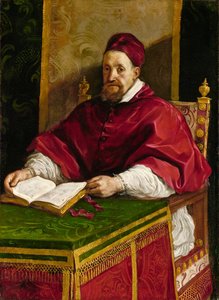
Alessandro Algardi
1598 - 1654 , Italy
Quick Facts
- Full Name: Alessandro Algardi
- Nationality: Italian
- Date Of Birth: 1598
- Date Of Death: 1654
- Place Of Birth: Bologna, Italy
- Notable Artworks:
- Pope Leo XI's Tomb
- St Philip Neri
- Beheading of St Paul
- Donna Olimpia bust
- Artistic Movement Or Style: High Baroque
- Artists Who Influenced This Artist:
- Agostino Carracci
- Giulio Conventi
- Artists Or Movements Influenced By This Artist:
- Ercole Ferrata
- Domenico Guidi
Related Articles

Theatricality & Triumph: Baroque Drama in Painting & Sculpture
Explore the dramatic world of Baroque art! Discover its history, defining characteristics, & lasting influence on painting & sculpture. Expert insights into Caravaggio, Zurbarán, and Bernini – plus high-quality reproductions at OriginalUniqueArt.

Bronze Sculptures That Defined Art History | OriginalUniqueArt
Journey through art history with our Top 10 bronze sculptures! Explore masterpieces by Rodin, Michelangelo & more. Discover stories behind iconic statues and find museum-quality reproductions for your home decor at OriginalUniqueArt.com.

The Enduring Form: Sculpture Across History, Technique & Emotional Resonance
Explore the rich history of sculpture with OriginalUniqueArt. Discover key techniques, influential artists & investment potential for discerning collectors. Expert insights into valuing and collecting timeless masterpieces.

Bronze Age to Modern Masters: 10 Sculptures That Redefined Art | OriginalUniqueArt
Journey through art history with 10 legendary bronze sculptures – from Michelangelo's David to Rodin’s Thinker. Explore the stories, techniques & timeless beauty of these masterpieces. Find museum-quality reproductions & elevate your home decor on OriginalUniqueArt.com.

The Enduring Form: Exploring Themes & Techniques in Sculpture Across Historical Periods
Explore the rich history of sculpture from ancient masterpieces to contemporary innovations. Discover key techniques, influential artists & investment potential for discerning art collectors.


