Preview
 Send
Send Share
Share
 Details

 Download
 Similars
 X-Ray
X-Ray Diaporama
 Stats
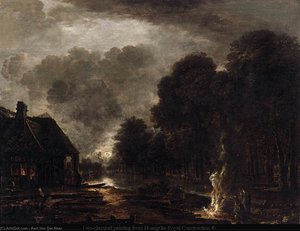
StatsFishing at Moonlight
 Oil On Canvas
- WallArt
 66.0 x 86.0 cm
 Kunsthistorisches Museum
 Read More
Hand Made Oil Reproduction
Hand-painted oil on canvas in your size and frame, made to order by our artists. ( Switch to Print Switch to Digital Image)




P118B $10

P118H $10

P118W $10

P438Z $10

P508JH $12

P508YH $12

P805H $10

P805Z $10

P919BZ $10

P919G $10

P919XJ $10

P959ZH $10

P968JZ $12

W106C $8

W218G $10

W218JH $8

W218Y $10

W307PJ $10

W316G $10

W316PJ $8

W316Y $10

W398PJ $8

W4111J $10

W500HY $15

W500JH $15

W692G $12

W849H $8

W940BG $15

W953PJ $8




Pick from our preset sizes that match the artwork's original proportions.

You may enter your own dimensions to fit a specific frame or space. If your selected size does not match the original image's proportions, we will either crop the artwork or extend the painting with additional hand-painted elements. A digital mockup will be sent for your approval before production begins.
Please note that the on-screen preview does not reflect the actual cropping or extension. Only the mockup will accurately show the final composition.
While custom sizes are available, we recommend selecting a dimension from the predefined list to preserve the original proportions.
After order, OriginalUniqueArt.com team will email client for instructions and provide a mockup preview
Worldwide Delivery () in 3/4 weeks instead of standard 5 weeks. (19 September). No compromise on quality.

Free Worldwide Express Shipping

High-Quality Linen Canvas

Full Shipping Insurance

Customs Tax Refund Guarantee

True Color Matching Guarantee

100-Day Return Policy (Defects Only)

100% Money-Back Guarantee

Bulk Discount Offer
 Glass option is only available in size under 110 CM

Fishing at Moonlight
Reproduction Medium
Reproduction Size
-


Total Price
$ 300
Aert van der Neer: The Poet of Moonlight
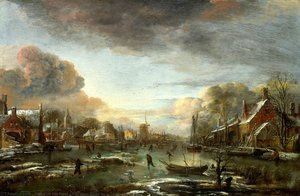
Aert van der Neer (c. 1603 – 9 November 1677) stands as an enigmatic figure within the illustrious tapestry of Dutch Golden Age landscape painting, revered for his hauntingly beautiful depictions of nocturnal scenes bathed in ethereal moonlight and the crisp stillness of winter landscapes—particularly those overlooking canals and rivers. Unlike many of his contemporaries who pursued grand vistas or idealized pastoral views, van der Neer embarked on a singular artistic path, prioritizing subtle atmospheric effects and intimate moments within nature, establishing him as a pioneer of psychological realism within genre painting.
His oeuvre distinguishes itself from its peers through an unwavering dedication to capturing the elusive beauty of darkness—a fascination that cemented his reputation as “the poet of moonlight.” Rather than glorifying heroic grandeur or celebrating idealized landscapes brimming with vibrant color, van der Neer meticulously rendered scenes imbued with a profound sense of melancholy and contemplation. This stylistic choice wasn’t merely aesthetic preference; it reflected a deeper engagement with the philosophical currents of his time—a burgeoning interest in introspection and the exploration of human emotion within the natural world.
Early Life and Artistic Training
Information regarding van der Neer’s formative years remains elusive, shrouded in the mists of history. However, biographical accounts suggest he was born in Gorinchem, Netherlands, around 1604. His artistic education likely stemmed from exposure to influential painters like Rafael and Jochem Govertsz Camphuysen—Lysbeth Camphuysen. These formative influences instilled within him a profound understanding of composition and perspective, shaping his distinctive approach to landscape representation.
Technique and Style
Van der Neer’s artistic technique was characterized by an unparalleled mastery of oil paint—a medium he exploited with remarkable sensitivity. He eschewed bold brushstrokes and vibrant hues favored by other artists, opting instead for delicate washes and subtle gradations of tone that conveyed the profound effects of moonlight and frost. His canvases were imbued with a palpable sense of atmosphere, achieved through painstaking observation and meticulous layering of pigments. This technique—often described as “atmospheric perspective”—allowed him to convincingly simulate the diffusion of light and color across distant landscapes, creating an illusion of depth and realism unparalleled in its time.
Historical Context and Symbolism
Van der Neer’s artistic output coincided with a period of intellectual ferment within the Netherlands—the Dutch Golden Age. The burgeoning humanist spirit of the era fostered a fascination with scientific inquiry and philosophical contemplation, influencing artists like van der Neer to explore themes of solitude, mortality, and the sublime. His landscapes frequently depicted desolate winter scenes—frozen canals reflecting pale moonlight—serving as potent symbols of human vulnerability against the forces of nature. These images resonated deeply with viewers of his era, conveying a sense of spiritual yearning and prompting reflection on the ephemeral beauty of existence.
Emotional Impact
Ultimately, van der Neer’s paintings transcend mere visual representation; they evoke profound emotional responses in those who encounter them. The haunting stillness of his winter landscapes—the silvery glow of moonlight illuminating snow-covered branches—captures a moment suspended between darkness and light—a poignant reminder of the passage of time and the inevitability of decay. Yet, amidst this melancholy beauty lies an underlying sense of serenity—a quiet acceptance of nature’s rhythms and a profound appreciation for its sublime grandeur. Van der Neer's work continues to inspire artists and collectors alike, securing his place as one of the most enduring voices of Dutch landscape painting.
Artist Biography
Aert van der Neer: Master of Moonlight and Winter Landscapes
Aert van der Neer (c. 1603 – 9 November 1677) stands as a singular figure in Dutch Golden Age landscape painting, celebrated for his hauntingly beautiful depictions of nocturnal scenes bathed in ethereal moonlight and the crisp stillness of winter landscapes—particularly those overlooking canals and rivers. Unlike many of his contemporaries who favored grand vistas or idealized pastoral views, van der Neer focused on capturing subtle atmospheric effects and intimate moments within nature, establishing him as a pioneer of psychological realism within genre painting. His ability to evoke the biting chill of a frozen canal or the silvered glow of a midnight sky allows the viewer to step directly into the quietude of the seventeenth-century Netherlands.Early Life and Artistic Foundations
Information regarding van der Neer’s formative years remains shrouded in the mists of history, yet his artistic essence is deeply rooted in the Dutch soil. While biographical accounts suggest he was born in Gorinchem around 1604, his true lineage is found in the brushstrokes of his contemporaries. His artistic education likely stemmed from exposure to influential painters like Rafael and Jochem Govertsz Camphuysen, whose stylistic sensibilities undoubtedly impacted his own burgeoning talent. This connection to a prominent artistic family fostered an environment conducive to honing skills and exploring innovative approaches to visual representation. Through this early immersion, he began to develop a unique eye for the interplay between light and shadow, a trait that would become his lifelong signature.The Language of Moonlight and Technique
Van der Neer's distinctive style is immediately recognizable by his masterful manipulation of light—specifically moonlight—and its delicate interplay with firelight. He eschewed dramatic, sweeping compositions in favor of understated landscapes populated by figures engaged in the rhythmic activities of everyday life. In his works, one might find:- Skaters gliding gracefully across frozen waterways during the height of winter.
- Kolf players pursuing their shots amidst soft snowdrifts.
- Fishermen patiently awaiting their catch under the watchful eye of a rising moon.
- Horse-drawn sleighs navigating the quiet, icy paths of a sleeping town.
Legacy and Historical Significance
The historical significance of Aert van der Neer lies in his ability to elevate the "small" landscape into a realm of high emotional resonance. While other masters sought the monumental, van der Neer found greatness in the fleeting and the quiet. His works, such as the breathtaking Landscape at Sunset or his lively winter scenes near Dutch towns, serve as timeless glimpses into seventeenth-century life. He remains a cornerstone of the Dutch Golden Age, remembered not just for his technical prowess, but for his ability to capture the very soul of the nocturnal world. His influence persists in the way we perceive the beauty of the night, reminding us that even in the darkest hours, there is a profound and luminous grace to be found in the natural world.
Aert van der Neer
1604 - 1677 , Netherlands
Quick Facts
- Artistic Movement Or Style: Dutch Golden Age Landscape Painting
- Artists Or Movements Influenced By This Artist: ['Albert Cuyp']
- Artists Who Influenced This Artist:
- Rafael
- Jochem Govertsz Camphuysen
- Date Of Birth: Amsterdam, Netherlands (1604)
- Date Of Death: 1677
- Full Name: Aert van der Neer
- Nationality: Dutch
- Notable Artworks:
- Winter in Holland: Skating Scene
- River landscape by moonlight
- Moonlit landscape with bridge
- Place Of Birth: Gorinchem
Related Articles
Nicolaes Berchem: Dutch Golden Age Pastoralism & the Evolution of Landscape Painting
Explore the captivating world of Nicolaes Berchem, a leading Dutch Golden Age painter. Discover his idyllic landscapes, masterful technique & lasting influence on art history. Learn more at OriginalUniqueArt.

Golden Light & Dutch Skies: Bringing the Magic of Dutch Golden Age Landscapes into Your Home
Transform your home with the breathtaking light of Dutch Golden Age landscapes. Discover how hand-painted oil reproductions of masterworks like Ruisdael and Vermeer bring timeless elegance, atmosphere, and soulful texture to modern interiors. Elevate your space with museum-quality art.

Golden Light & Dutch Skies: The Timeless Magic of Dutch Golden Age Landscapes
Discover the breathtaking beauty of Dutch Golden Age landscapes. Explore the mastery of light, chiaroscuro, and 17th-century realism through an expert art history lens, celebrating the enduring legacy of the Dutch Masters for discerning collectors and art lovers.

Dutch Masters: 10 Golden Age Paintings That Still Inspire |
Journey into the Dutch Golden Age! Explore 10 iconic paintings by Rembrandt, Vermeer & Hals. Discover the stories behind these Baroque masterpieces and find museum-quality art reproductions to elevate your home decor on .
Charles Leickert: Capturing the Dutch Golden Age Light – A Comprehensive Study of Technique, Context, and Legacy
Explore the captivating winter landscapes of Charles Leickert, a master of Dutch Golden Age light & atmosphere. Discover his techniques, symbolism, and lasting legacy – a comprehensive study for art enthusiasts and collectors.