Early Renaissance
SAINT JULIEN (Βιττόριο Κριβέλλι)
Το έργο SAINT JULIEN δημιούργησε ο/η Βιττόριο Κριβέλλι (1440–1501). Ανήκει στο κίνημα Early Renaissance. Είναι φτιαγμένο σε Tempera On Panel. Αποθηκεύεται στο Musée du Petit Palais στο Αβινιόν, Γαλλία.
- Tempera On Panel
- Musée du Petit Palais, Αβινιόν

 Προεπισκόπηση σε πραγματική κλίμακα

 Ελαιογραφικό Χειροποίητο Έργο
 Αποστολή
 Κοινοποίηση
 Φύλλο πληροφοριών


 Λήψη
 Παρόμοια αντικείμενα συλλογής
 Ακτινογραφία
 Παρουσίαση
 Ερωτήσεις & Απαντήσεις

 Στατιστικά
SAINT JULIEN, εν συντομία
- Τίτλος
- SAINT JULIEN
- Καλλιτέχνης
- Βιττόριο Κριβέλλι (1440–1501)
- Γεννημένος/η το
- Βενετία, Ιταλία
- Μέσο
- Tempera On Panel
- Πού εκτίθεται
- Musée du Petit Palais, Αβινιόν, Γαλλία
- Κίνηση
- Early Renaissance
- Εποχή
- Renaissance
- Θέμα
- saint, man, staff, grass, gold, red
Τι απεικονίζει το SAINT JULIEN;
Identification of the Portrait of Saint Julien
SAINT JULIEN is a portrait-like representation of an Italian saint, executed by the Early Renaissance painter Vittore Crivelli. The work focuses on the figure of the saint, presenting him in a manner that emphasizes his individual presence against a dark, minimalist background.
The subject is identified through specific iconographic attributes. He is depicted holding a staff and a bundle of grass, objects that characterize his traditional representation. These elements provide the primary visual cues for his identity within the devotional tradition.
Composition and Visual Elements
The vertical panel arrangement centers the figure of the saint against a dark, receding background. This placement creates a portrait-like focus, isolating the subject to emphasize his presence. A simple landscape provides the setting, featuring stylized foliage that suggests a natural environment without requiring deep perspectival complexity. The saint is identified by specific attributes: a staff held in one hand and a bundle of grass in the other.
The color palette relies on a series of warm tones. Gold, red, blue, and brown dominate the visual field, creating a devotional atmosphere. These colors define the figure's form and the folds of the drapery. The use of gold leaf adds a sense of opulence to the composition, contrasting with the darker, more muted tones of the background. Light appears diffused, as if emanating from a single, steady source like candlelight.
Technique and Material Composition
The work is executed in tempera on a wood panel. The artist employed a binding medium of egg tempera to achieve a precise, controlled application of pigment. This method requires meticulous layering of colors to build depth and form, particularly within the drapery and the figure's anatomy. Such technical rigor ensures a smooth surface texture, though subtle variations in the application suggest the deliberate movement of the brush.
The palette relies on high-quality pigments to establish a sense of divine luminosity. Notable materials include ultramarine blue and red lake, which provide deep, saturated tones. To enhance the visual impact and create a sense of sacred space, the panel is likely gilded. This use of gold leaf contributes to the opulent atmosphere characteristic of the period's devotional objects.
Artistic Style and Visual Characteristics
The work is characteristic of Early Renaissance Venetian art, maintaining a balance between decorative tradition and emerging naturalism. A prominent feature is the meticulous rendering of clothing, where precise lines define the figure's form and the complex folds of the drapery. These linear details provide a sense of structure to the saint's silhouette against the dark background. The application of gold leaf adds a layer of material opulence, typical of the period's devotional aesthetic.
Lighting is handled with a certain flatness, simulating a diffused light source similar to candlelight. This approach avoids dramatic shadows, instead creating a steady, even illumination across the subject. Such lighting, combined with the centered composition, produces an atmosphere of solemnity and reverence. The visual language relies on these controlled elements to direct the viewer's focus toward the saint's attributes, specifically the staff and the bundle of grass.
Σε ποιο μουσείο βρίσκεται το SAINT JULIEN;
Musée du Petit Palais
Αβινιόν, Γαλλία
Ένα Κοσμήμα της Προβενσιακής Ιστορίας Τέχνης Κρυμμένο στην καρδιά του Avignon, μιας πόλης βυθισμένης στην παπική ιστορία και την καλλιτεχνική προσφυγή, βρίσκεται το Musée du Petit Palais , ένας θησαυρός για όποιον αρέσκονται στην πρώιμη άνθηση της ευρωπαϊκής τέχνης. Το να περάσετε τις πόρτες του είναι σαν να εισέρχεστε σε ένα καταφύγιο όπου οι αντηχήσεις της μεσαιωνικής περιόδου συναντούν την φωτεινή αυγή της Αναγέννησης. Το μουσείο ξεχωρίζει όχι απλώς ως ένας χώρος αποθήκευσης γι ஓவிய, αλλά ως μια απόδειξη της σύγκλισης δύο αξιοσημείωτων συλλογών: της κληρονομιάς του Giampancietro Campana και της κληρονομιάς της Σχολής του Avignon.


Εικόνες υψηλής ανάλυσης του SAINT JULIEN
Δημόσιος τομέας: ο καλλιτέχνης απεβίωσε το 1501.
Βιττόριο Κριβέλλι, SAINT JULIEN, Musée du Petit Palais. Δημόσιο περιουσιακό δικαίωμα
Ερωτήσεις για το SAINT JULIEN, απαντημένες
Πού μπορώ να δω το πρωτότυπο "SAINT JULIEN" του Βιττόριο Κριβέλλι;
Το πρωτότυπο έργο "SAINT JULIEN" του Βιττόριο Κριβέλλι βρίσκεται στο Musée du Petit Palais, Αβινιόν, Γαλλία. Μια αναπαραγωγή σας επιτρέπει να εκθέσετε το έργο στο σπίτι σας.
Με ποιο υλικό έχει εκτελεστεί το έργο "SAINT JULIEN" του Βιττόριο Κριβέλλι;
Η τεχνική του έργου "SAINT JULIEN" του Βιττόριο Κριβέλλι είναι το Tempera On Panel. Οι αναπαραγωγές στοχεύουν στην πιστή απόδοση της εμφάνισης αυτής της τεχνικής.
Περί τι αφορά το "SAINT JULIEN";
Τα θέματα που περιλαμβάνονται στο "SAINT JULIEN" του Βιττόριο Κριβέλλι περιλαμβάνουν το/τα saint, man, staff, grass, gold, red, blue, cloak. Μαζί, συνοψίζουν το περιεχόμενο του έργου τέχνης.
Το έργο "SAINT JULIEN" του Βιττόριο Κριβέλλι ανήκει στο δημόσιο περιουσιακό αγαθό;
Όσον αφορά τα πνευματικά δικαιώματα, το "SAINT JULIEN" ανήκει στο στην ελεύθερη χρήση - τα δικαιώματα αυτορούς δικαίωσης έχουν λήξει.
Ποιος είναι ο καλλιτέχνης πίσω από το "SAINT JULIEN";
Το έργο "SAINT JULIEN" αποδίδεται στον/στην Βιττόριο Κριβέλλι.
Σε ποιο καλλιτεχνικό ρεύμα ανήκει το "SAINT JULIEN" του Βιττόριο Κριβέλλι;
Το καλλιτεχνικό ρεύμα που συνδέεται με το "SAINT JULIEN" του Βιττόριο Κριβέλλι είναι το Early Renaissance. Αυτή η ταξινόμηση τοποθετεί το έργο ανάμεσα σε σχετικούς καλλιτέχνες και έργα τέχνης.
Ποια είναι η αιτία της κατάστασης των πνευματικών δικαιωμάτων για το έργο "SAINT JULIEN" του Βιττόριο Κριβέλλι;
Η κατάσταση των πνευματικών δικαιωμάτων για το "SAINT JULIEN" - στην ελεύθερη χρήση - τα δικαιώματα αυτορούς δικαίωσης έχουν λήξει - ορίζεται από τον θάνατο του καλλιτέχνη το έτος 1501.
Το έργο "SAINT JULIEN" παρέμεινε στη χώρα καταγωγής του καλλιτέχνη του;
Όχι - το έργο βρίσκεται στο εξωτερικό. Η χώρα γέννησης του/της Βιττόριο Κριβέλλι είναι η Ιταλία, ενώ το μουσείο που διατηρεί το πρωτότυπο του "SAINT JULIEN" βρίσκεται στην Γαλλία.
Πού τοποθετείται το "SAINT JULIEN" στο σύνολο του έργου του/της Βιττόριο Κριβέλλι;
Στο συνολικό έργο του/της Βιττόριο Κριβέλλι, το "SAINT JULIEN" εντάσσεται στο στυλ του/της Early Renaissance, συνδέοντας τα θέματα του/της gothic and renaissance synthesis, venetian and flemish influences, religious devotional work, part of venetian renaissance.
Σχετικά με τον καλλιτέχνη, Βιττόριο Κριβέλλι

1440–1501, Ιταλία
Βιττόριο Κριβέλλι
Vittore Crivelli: A Venetian Echo of Gothic Mysticism Vittore Crivelli (b. ca. 1440, Venezia, d. 1501/2, Venezia) stands as a fascinating figure within the Venetian Renaissance—a painter who simultaneously embraced the grandeur of his era and retained traces of the expressive fervor characteristic of Gothic art.
Σχετικά με τον Βιττόριο Κριβέλλι Σημαντικά έργα του Βιττόριο Κριβέλλι
Εργασίες του Βιττόριο Κριβέλλι
 Saint Jerome (panel from an altarpiece)1481
 Madonna and Child with Two Angels1481
 Madonna and Child Enthroned with Two Angels and a Donor1481
 Madonna and Child with a clove.1450
Μελέτες για το SAINT JULIEN
 25 Iconic Piero di Cosimo Paintings: A Visual Journey Through His Mythical and Realistic ArtExplore 25 iconic Piero di Cosimo paintings from the Florentine Renaissance. Discover the full collection online at OriginalUniqueArt.com.
 25 Essential Works by Sebastiano del Piombo: A Visual GuideExplore 25 iconic works by Sebastiano del Piombo. Trace his High Renaissance journey and explore the full collection online at OriginalUniq…
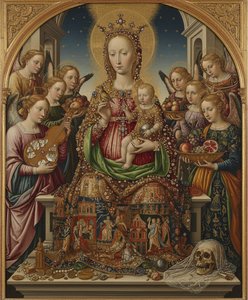 Carlo Crivelli: Mysticism & Materiality in Renaissance VeniceExplore the captivating world of Carlo Crivelli, a Renaissance master blending Gothic detail with profound symbolism. Discover his unique s…